

Comparison of Common Carbon Particle Conveying Methods
For industrial applications involving carbonaceous materials, selecting the appropriate conveying method is crucial for efficiency, cost-effectiveness, and operational reliability. This article provides a detailed comparison of common carbon particle conveying methods, highlighting their advantages, limitations, and suitability for various industrial scenarios. The information is presented by Shandong HeadPowder Engineering Co., Ltd., a leading provider of powder handling solutions based in Shandong, China.

Introduction to Carbon Particle Conveying Methods
Carbon particles, such as graphite, carbon black, and activated carbon, are widely used in industries like manufacturing, chemical processing, and energy production. The effective transport of these particles from one location to another is essential for maintaining production flow and minimizing downtime. Conveying methods vary based on material properties, process requirements, and environmental considerations. Below, we explore several common approaches and their characteristics.
1. Pneumatic Conveying Systems
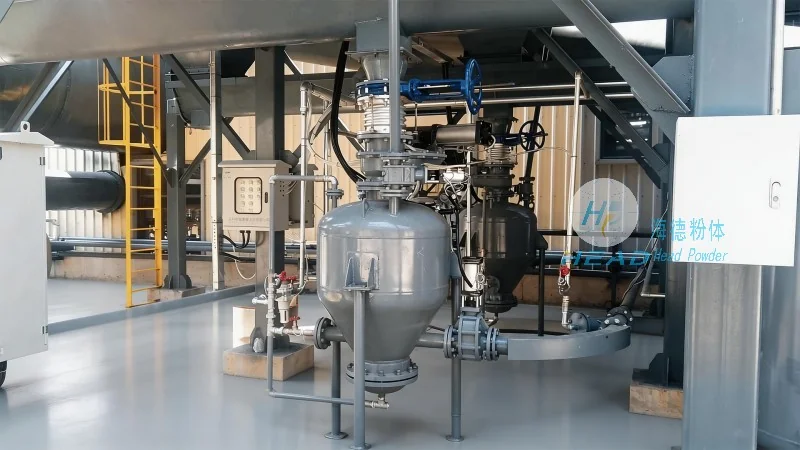
Pneumatic conveying, or air-powered transport, is a widely used method for moving carbon particles. This technique utilizes compressed air or gas to create a flow that propels the particles through a pipeline. There are two main types: pressure and vacuum systems. Pressure systems use positive pressure to push material through the line, while vacuum systems use negative pressure to pull material. Pneumatic conveying is particularly effective for fine carbon powders and can handle long distances and multiple transfer points. However, it requires careful control of air pressure and flow rates to prevent material degradation or blockages. Shandong HeadPowder Engineering Co., Ltd. specializes in designing and manufacturing custom pneumatic conveying systems tailored to the specific needs of carbon particle handling, ensuring optimal performance and reliability.
2. Screw Conveyors
Screw conveyors, also known as auger conveyors, use a rotating screw to move carbon particles along a trough. This method is suitable for bulk materials and can handle a wide range of particle sizes and densities. Screw conveyors are relatively simple in design, making them cost-effective and easy to maintain. They are ideal for horizontal or slightly inclined transport and can be integrated with other processing equipment. However, they may not be suitable for very fine or abrasive carbon powders, as the screw and trough can cause wear and material degradation over time. Proper material selection and regular maintenance are essential to ensure the longevity of screw conveyors used in carbon particle transport.
3. Vibratory Conveyors
Vibratory conveyors utilize vibrations to move carbon particles along a trough. The system consists of a conveyor bed that is shaken at specific frequencies and amplitudes, causing the particles to move forward. This method is effective for handling sticky or cohesive carbon materials, as the vibrations prevent material buildup and ensure smooth transport. Vibratory conveyors are also suitable for vertical or inclined transport and can handle a wide range of particle sizes. However, they require regular maintenance to ensure the vibratory mechanism operates correctly and to prevent wear on the conveyor components. Shandong HeadPowder Engineering Co., Ltd. offers advanced vibratory conveyor solutions that enhance the efficiency of carbon particle transport, especially for materials with high moisture content or adhesion properties.
4. Belt Conveyors
Belt conveyors use a continuous belt to transport carbon particles over a series of rollers or idlers. This method is commonly used for bulk materials and can handle large volumes of carbon particles. Belt conveyors are ideal for long-distance transport and can be integrated with other equipment like feeders and screens. They are relatively simple to operate and maintain, making them a popular choice in many industries. However, belt conveyors may not be suitable for very fine or lightweight carbon powders, as they can cause material spillage or uneven distribution. Proper belt tensioning and material feeding are crucial to ensure smooth operation and prevent damage to the conveyor system.
5. Hydraulic Conveying
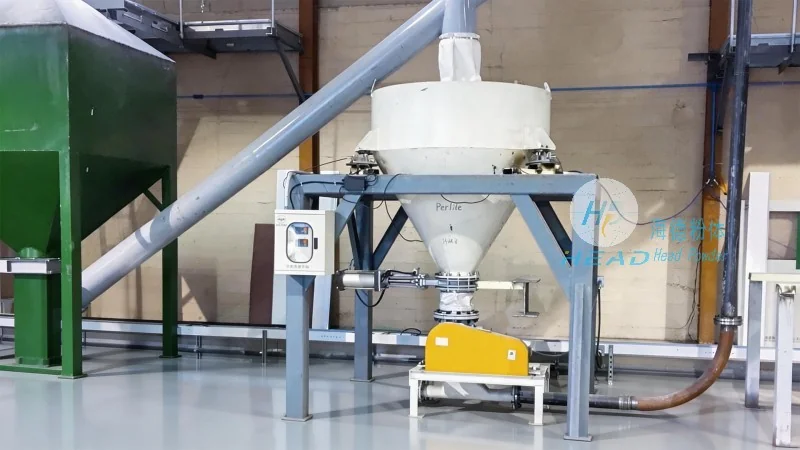
Hydraulic conveying, or slurry transport, involves moving carbon particles suspended in a liquid medium through pipelines. This method is effective for handling very fine or abrasive carbon powders that are difficult to transport by other means. Hydraulic conveyors can handle long distances and multiple transfer points, and they are less prone to blockages compared to pneumatic systems. However, they require additional equipment for liquid handling and disposal, increasing operational costs. The liquid used in hydraulic conveying must be carefully selected to avoid chemical reactions with the carbon particles and to ensure proper separation after transport. Shandong HeadPowder Engineering Co., Ltd. provides hydraulic conveying solutions tailored to the specific requirements of carbon particle transport, ensuring efficient and cost-effective material handling.
Choosing the Right Conveying Method for Carbon Particles
The selection of an appropriate carbon particle conveying method depends on several factors, including the material properties (such as particle size, density, and moisture content), the required transport distance, the desired throughput, and the environmental constraints. For example, pneumatic conveying is often preferred for fine carbon powders and long-distance transport, while screw conveyors are suitable for bulk materials and horizontal transport. Vibratory conveyors are ideal for sticky or cohesive materials, and belt conveyors are commonly used for large-volume transport. It is essential to consider the cost of installation, maintenance, and operation when choosing a conveying system. Shandong HeadPowder Engineering Co., Ltd. offers comprehensive consultation and design services to help clients select the most suitable conveying method for their specific carbon particle handling needs, ensuring optimal performance and long-term reliability.
Conclusion
Carbon particle conveying is a critical aspect of industrial operations, and the choice of conveying method significantly impacts efficiency and cost. By understanding the characteristics and limitations of different methods, such as pneumatic, screw, vibratory, belt, and hydraulic conveyors, industries can select the most appropriate solution for their specific requirements. Shandong HeadPowder Engineering Co., Ltd., with its expertise in powder handling solutions, provides customized conveying systems that enhance the performance and reliability of carbon particle transport, supporting the operational success of clients in various industries.