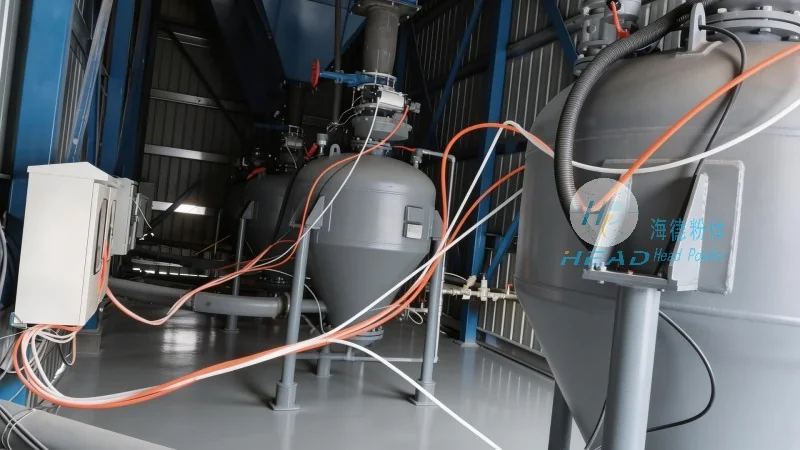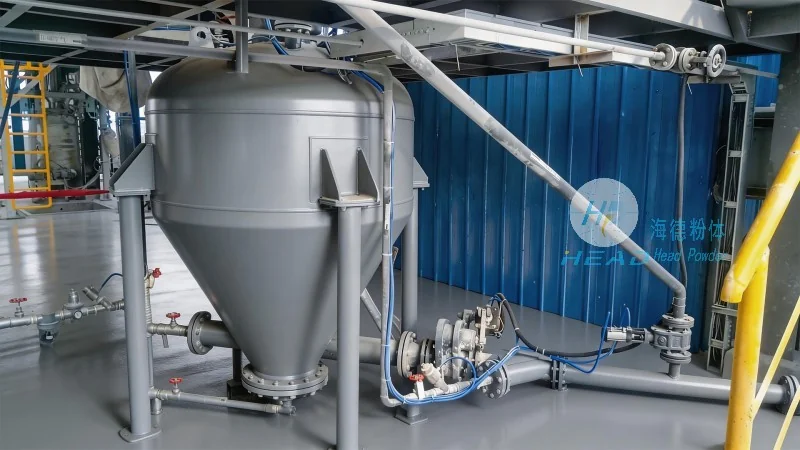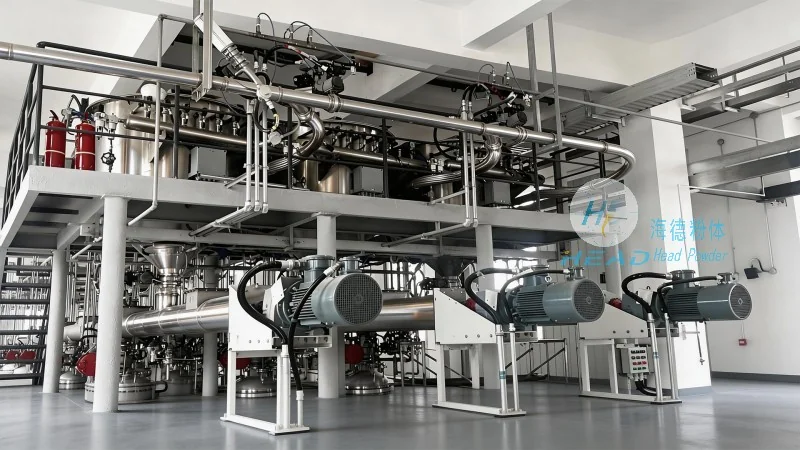

With over a decade of experience in the pneumatic conveying industry, our company specializes in a full range of pneumatic conveying system equipment.
您的当前位置:首页 >> News >> Technical FAQ

News

Rich project cases across industries, showing real implementation and proven technical strength.

Sand Dust Conveying: Pneumatic Conveying Overview

2026-07-08

Understanding Sand Dust Conveying in Pneumatic Systems

Sand dust conveying represents a critical subset of pneumatic conveying technology, addressing the unique challenges of transporting fine, abrasive, and often cohesive particulate materials across industrial operations. As industries ranging from construction materials to metal casting and environmental remediation scale their production capacities, the demand for reliable, enclosed, and energy-efficient sand dust transport solutions has grown significantly. Pneumatic conveying systems leverage pressurized air or gas streams to move sand dust through pipelines, eliminating the need for mechanical components like belts or screws that are prone to wear and clogging when handling abrasive particles. According to market analysis projections for 2026, the global pneumatic conveying equipment market is expected to surpass USD 45 billion, driven by stricter environmental regulations requiring dust-free material handling and the expansion of sand-intensive sectors such as additive manufacturing and oil & gas fracturing. The physics behind sand dust conveying involves balancing air velocity, particle size distribution, moisture content, and pipeline geometry to maintain stable flow without sedimentation or pipeline erosion. Unlike granular materials, sand dust—often defined as particles smaller than 500 microns—exhibits cohesive behavior due to interparticle van der Waals forces and electrostatic charges, making dense-phase conveying particularly advantageous. For operations handling silica sand, foundry sand, or recycled glass dust, selecting the correct pneumatic system type is not merely a matter of throughput but directly impacts equipment lifespan, energy consumption, and workplace safety compliance with OSHA and ATEX standards. This article provides a comprehensive technical overview of sand dust pneumatic conveying, covering system configurations, design parameters, component selection, maintenance best practices, and real-world application examples, while highlighting how engineered solutions from headpowder help clients achieve measurable improvements in conveying efficiency and operational reliability.

Fundamental Principles of Pneumatic Sand Dust Transport

Pneumatic conveying systems for sand dust operate on the principle of creating a pressure differential that moves suspended particles through a closed pipe network. The two primary modes—dilute-phase and dense-phase conveying—respond differently to the physical properties of sand dust. In dilute-phase conveying, high air velocities (typically 20–35 m/s) keep particles fully suspended, which is effective for low-density dusts but can cause rapid pipe wear due to impact abrasion when handling sharp silica particles. Conversely, dense-phase conveying operates at lower velocities (3–10 m/s) with higher material-to-air ratios, pushing sand dust in a fluidized plug form. This mode significantly reduces pipe erosion and energy consumption, yet requires careful control of air injection points and line pressure to prevent blockages caused by the inherent cohesiveness of fine sand dust. The Reynolds number, particle loading ratio, and saltation velocity (the threshold at which particles begin to settle) are fundamental design parameters. Industry standards such as ISO 13336 and CEMA guidelines provide empirical formulas for calculating pressure drops in sand dust systems, accounting for factors like particle sphericity and internal friction angle. For example, a typical silica sand dust with a bulk density of 1.6 g/cm³ and median particle size of 150 microns requires a minimum transport velocity of approximately 15 m/s in dilute-phase to avoid saltation. Headpowder’s engineering team regularly conducts computational fluid dynamics (CFD) simulations to optimize these parameters, ensuring the conveying line maintains stable flow even when the sand dust exhibits moisture content fluctuations between 0.5% and 3%—a common challenge in outdoor storage facilities. Understanding these fundamentals is essential for anyone involved in specifying or maintaining pneumatic conveying systems for abrasive dusts.

Key System Configurations for Sand Dust Conveying

Two main system architectures dominate the sand dust pneumatic conveying landscape: positive pressure systems and vacuum (negative pressure) systems, each with distinct advantages depending on the application. Positive pressure systems use a blower or compressor to push sand dust through the pipeline, typically at pressures between 0.5 and 3 bar. They are ideal for long-distance conveying (up to 500 meters or more) and multiple discharge points, making them popular in large-scale sand processing plants where one system feeds multiple silos or mixing stations. For example, a foundry using fresh silica sand for mold making can benefit from a positive pressure system delivering 30 tons per hour over a 200-meter route with minimal degradation of the sand grains. On the other hand, vacuum systems use suction to draw sand dust from multiple pick-up points (e.g., hoppers, bag dump stations) into a central collection vessel. Vacuum conveying is inherently safer for toxic or fine respirable dusts because any leakage results in inward airflow, preventing dust escape into the work environment. Many environmental compliance regulations in 2026 will require negative pressure systems for handling crystalline silica dust to meet permissible exposure limits (PELs) below 50 µg/m³. A hybrid configuration—combined pressure and vacuum—is also employed when material must be picked up from several sources and then distributed to multiple destinations. Regardless of the configuration, all sand dust pneumatic systems must incorporate robust filtration at the air-material separator (typically a cartridge filter or cyclone) to meet emission standards. The choice between rotary airlocks, screw feeders, or venturi-based injectors for introducing sand dust into the conveying line depends on the material’s flowability; cohesive dusts often require a live-bottom feeder or fluidizing cones to prevent bridging. Headpowder offers customized system layouts using modular components that allow clients to scale capacity from 5 to 100 tons per hour while maintaining consistent performance.

Critical Design Parameters for Abrasive Sand Dust

Designing a pneumatic conveying system for sand dust demands rigorous attention to several critical parameters that directly influence system longevity and operating costs. First, pipeline material and wall thickness must be selected to withstand the abrasive nature of silica dust. Standard carbon steel pipes (Schedule 40 or 80) are common for low-abrasion applications, but for high-velocity sand dust conveying, ceramic-lined pipes or basalt-lined pipes can extend service life by 3–5 times compared to plain steel. Second, bend radius and geometry are decisive factors: short-radius elbows (less than 5 pipe diameters) cause severe impact erosion at the outer wall, while long-radius bends (10–15 pipe diameters) with replaceable wear backs significantly reduce maintenance frequency. Third, air flow control and surge suppression are essential because sand dust, unlike free-flowing pellets, can suddenly form plugs when air pressure fluctuates. A well-designed system incorporates pressure transmitters at strategic intervals and automatic purge valves to clear blockages without manual intervention. Fourth, moisture management cannot be overlooked: sand dust with moisture exceeding 2% by weight often gains cohesive strength that impedes fluidization, leading to erratic conveying. Installing dryers or preheating the conveying air can maintain stable flow in humid climates. Fifth, dust explosion safety: although sand dust is not combustible, cloud formation of certain fine dusts may create explosive atmospheres if organic contamination exists. ATEX and NFPA 68 standards require explosion venting or suppression systems in enclosed conveying lines. Headpowder’s design process incorporates finite element analysis (FEA) to optimize pipe routing and stress distribution, ensuring that the system withstands the cyclic loading from pressure surges typical in dense-phase sand dust conveying. By addressing these parameters holistically, clients achieve mean time between failures (MTBF) exceeding 12 months even under 24/7 operation.

Component Selection and Maintenance Strategies

The reliability of a sand dust pneumatic conveying system depends heavily on the quality and suitability of its individual components. Rotary airlock valves are the most common feeding devices, but when handling abrasive sand dust, the rotor tips and housing must be made from hardened materials such as Stellite or tungsten carbide. A typical wear life for standard cast iron airlocks handling silica dust is only 3–6 months, whereas headpowder specifies airlocks with replaceable wear sleeves and ceramic-coated rotors that achieve 18+ months of continuous service. Diverter valves used to redirect sand dust to different destinations require tight sealing to prevent cross-contamination and leakage; spherical or plug-type diverters with hard-faced seats offer the best performance for abrasive dusts. Blow tanks used in dense-phase systems must be designed with conical bottoms and fluidizing membranes to ensure complete discharge of cohesive sand dust. In terms of filtration, reverse-pulse jet cartridge filters with PTFE membrane media provide the dual benefit of high collection efficiency (99.99% at 0.5 microns) and easy cleaning of sticky dust. Maintenance protocols for sand dust conveying systems should include weekly inspections of pipe wall thickness using ultrasonic gauges at critical erosion points (especially after bends and branches), monthly replacement of filter cartridges or cleaning cycles, and quarterly calibration of pressure and flow sensors. Predictive maintenance using vibration analysis on blowers and vacuum pumps can detect bearing degradation early, preventing unplanned downtime. A 2026 industry survey revealed that companies implementing condition-based maintenance on pneumatic conveying components reduced overall maintenance costs by 27% while improving system availability to 98.5%. Headpowder provides on-site training and remote monitoring packages that allow operators to track wear trends and schedule interventions precisely when needed, rather than relying on fixed intervals.

Application Case Studies and Performance Data

Sand Dust Conveying: Pneumatic Conveying Overview

Real-world implementations demonstrate the practical advantages of well-engineered sand dust pneumatic conveying systems. In one case, a major glass manufacturing plant required a turnkey solution to transport 40 tons per hour of silica sand dust (median particle size 200 microns, moisture 1.2%) over 350 meters from the unloading station to the batch mixer. The existing mechanical conveyor experienced frequent belt damage and dust leakage, causing regulatory fines and production losses. Headpowder designed a dense-phase positive pressure system using a 6-inch ceramic-lined pipeline with long-radius bends and a proprietary air injection sequence that minimized plug formation. After installation, the system achieved a consistent conveying rate of 42 tons per hour with energy consumption 18% lower than the client’s original pneumatic proposal, and pipe wear was reduced to less than 0.1 mm per month. Another case involved a metal casting foundry handling reclaimed foundry sand dust (bulk density 1.8 g/cm³, containing up to 5% clay binder). The cohesive nature of this material caused frequent blockage in conventional dilute-phase systems. By implementing a vacuum-assisted dense-phase system with fluidizing end-cones and a programmable logic controller (PLC) that adjusted air injection based on real-time pressure feedback, the foundry achieved zero blockages over 14 months of operation while increasing throughput by 22%. These examples illustrate that a tailored approach to sand dust conveying—considering particle properties, distance, and environmental constraints—yields measurable returns in productivity and safety. Headpowder’s portfolio includes over 200 sand dust pneumatic conveying installations worldwide, with average system uptime exceeding 97% across all projects. (咨询热线:156-6277-7102)

Future Trends and Technological Advancements

Sand Dust Conveying: Pneumatic Conveying Overview

Looking toward 2026 and beyond, several technological trends are reshaping sand dust pneumatic conveying. Digital twin integration allows operators to simulate conveying scenarios and optimize parameters without interrupting production. Sensors embedded in pipelines provide real-time data on particle velocity, concentration, and pressure gradients, enabling AI-driven control algorithms that automatically adjust air pressure and feed rates to maintain optimal flow. Energy recovery systems are gaining traction: by installing expander turbines on air exhaust lines, facilities can recapture up to 30% of the compressed air energy, significantly reducing carbon footprint. Modular and mobile conveying units are emerging for temporary or seasonal sand handling operations, such as hydraulic fracturing support where sand dust must be moved from railcars to blender units on-site. Additionally, advances in wear-resistant materials—including polymer composites with graphene reinforcement—promise even longer service life for pipes and components. The regulatory landscape is also evolving: stricter PM2.5 emission standards in many countries will accelerate the shift from open conveying to fully enclosed pneumatic systems for all sand dust transfers. Headpowder invests continuously in R&D to incorporate these innovations into standard product offerings, ensuring that clients can adopt cutting-edge solutions without compromising on reliability. For example, recent pilot projects showed that AI-optimized dense-phase systems can reduce energy consumption by up to 25% compared to traditional setups while maintaining the same throughput.

Conclusion: Selecting the Right Partner for Sand Dust Pneumatic Conveying

Sand Dust Conveying: Pneumatic Conveying Overview

Successful sand dust pneumatic conveying requires a combination of deep technical understanding, precise engineering, and proven field experience. From selecting the correct conveying phase and pipeline materials to implementing predictive maintenance and digital controls, every decision impacts the system’s long-term economic and environmental performance. As industries continue to prioritize safe, efficient, and compliant material handling, the role of specialized pneumatic conveying providers becomes increasingly central. Headpowder has dedicated over a decade to mastering the challenges of abrasive dust transport, delivering solutions that not only meet but exceed operational targets. By choosing an experienced partner with a track record of innovation and customer support, companies can avoid the costly pitfalls of undersized components, frequent blockages, and premature equipment failure. Whether the application involves fresh silica sand, recycled foundry sand, or specialty industrial dusts, a properly designed pneumatic conveying system will pay for itself through reduced labor, improved workplace safety, and consistent product quality. For more information on how to optimize your sand dust conveying process or to request a feasibility study for your specific material handling needs, reach out directly to the engineering team. (咨询热线:156-6277-7102) The future of clean, efficient sand dust conveying starts with informed decisions today.

相关推荐

Shandong headpowder Engineering Co., Ltd. All rights reserved.

回到顶部