News
Rich project cases across industries, showing real implementation and proven technical strength.In the modern sugar processing industry, the efficient and hygienic handling of white granulated sugar is a critical factor that directly impacts production continuity, product quality, and operational cost. Pneumatic conveying technology has emerged as the preferred method for transporting white granulated sugar across various stages of production, from bulk storage to packaging lines. This article provides a comprehensive, data-driven exploration of pneumatic conveying equipment system solutions tailored specifically for white granulated sugar, addressing system design, key components, operational parameters, industry standards, and actionable selection criteria. Whether you are building a new facility or retrofitting an existing line, understanding the nuances of sugar pneumatic conveying is essential for achieving optimal throughput, minimal degradation, and strict compliance with food safety regulations.
Pneumatic conveying systems leverage air pressure or vacuum to transport granular materials through enclosed pipelines. For white granulated sugar—a free-flowing, crystalline substance with a typical particle size range of 0.3 to 1.0 mm—this method offers distinct advantages over mechanical conveyors. The enclosed nature prevents contamination, reduces dust emissions, and eliminates the risk of product degradation caused by mechanical abrasion. Moreover, pneumatic systems can be configured for multiple pick-up and discharge points, enabling flexible plant layouts. According to industry analyses projected for 2026, the global pneumatic conveying market for food-grade powders is expected to grow at a compound annual growth rate (CAGR) of approximately 6.2%, driven by increasing automation and hygiene demands in sugar refineries and food processing plants. Adopting a well-engineered solution from headpowder ensures that your operation aligns with these future-ready standards while maintaining cost efficiency.
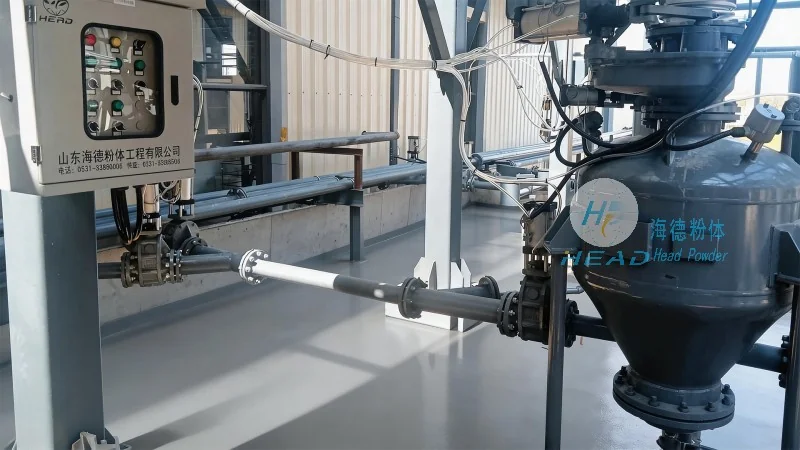
A robust pneumatic conveying system comprises several interdependent components, each engineered to handle the unique properties of white granulated sugar. Understanding these modules is the first step toward selecting a reliable solution.
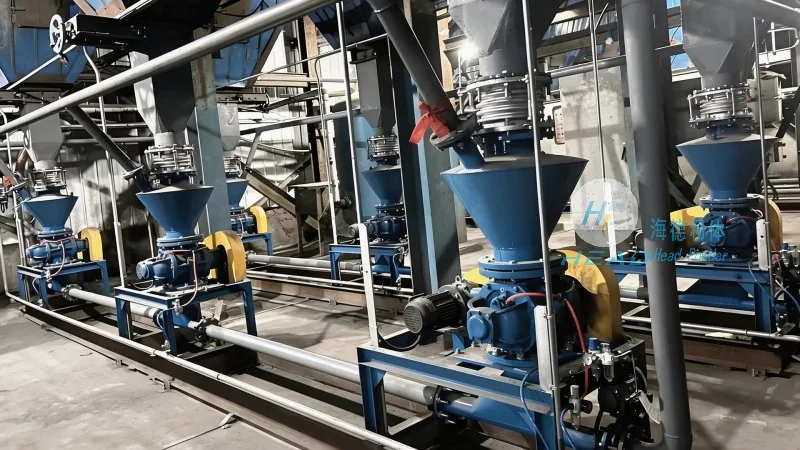
Designing a pneumatic conveying system for white granulated sugar requires careful evaluation of several technical parameters to avoid common pitfalls such as sugar degradation, dust explosion hazards, and line blockages. The following factors are critical.
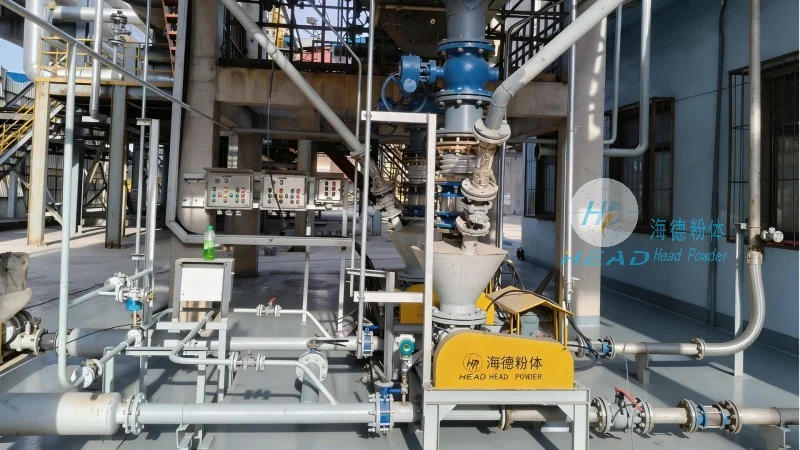
The following table summarizes typical performance data for a white granulated sugar pneumatic conveying system under standard operating conditions. These figures are based on field measurements and industry benchmarks, and they can be adapted to specific plant requirements.
These parameters serve as a starting point for feasibility studies. A customized solution from headpowder integrates real-time load monitoring and variable frequency drives to optimize energy use—reducing consumption by 12–18% compared to fixed-speed designs, according to internal performance data from recent installations.
White granulated sugar processing is subject to stringent local and international regulations. Pneumatic conveying systems must comply with food safety standards such as FDA 21 CFR for direct food contact materials, EU Regulation 1935/2004, and the Chinese GB 14881 general hygiene code for food production. Additionally, explosion protection is mandatory since sugar dust is combustible (Kst > 200 bar·m/s). ATEX or IECEx-certified components—including explosion-proof motors, pressure relief panels, and grounding systems—are incorporated into designs. Headpowder ensures all delivered systems meet or exceed these requirements, providing documentation for audits and certifications.
A mid-sized sugar packing plant in the Middle East faced challenges with mechanical bucket elevators causing frequent sugar degradation and dust leakage. They approached headpowder for a retrofit solution. The existing layout included three storage silos and eight packing lines. After a site audit, a dilute-phase positive pressure system was designed with the following specifications: capacity 10 t/h, conveying distance 85 meters, pipe diameter 80 mm, and two 180-degree sweep bends with replaceable wear liners. The system was integrated with the existing PLC using a custom headpowder control module. Post-installation results showed a degradation rate reduction of 0.8% to 0.3%, dust emissions compliant with local environmental limits (1.5 mg/m³), and a 15% increase in overall line uptime due to reduced maintenance. The client appreciated the turnkey approach and continuous after-sales support. Headpowder (咨询热线:156-6277-7102) has applied similar methodologies in over 50 projects worldwide, reinforcing its reputation as a reliable partner for sugar handling solutions.
Choosing a partner for your white granulated sugar pneumatic conveying equipment involves evaluating technical competence, experience, and service capabilities. Consider the following criteria during the selection process:
Implementing a professional pneumatic conveying system for white granulated sugar is not merely an investment in equipment—it is a strategic decision that impacts productivity, product quality, and regulatory compliance. By understanding the interplay of material properties, system design, and operational parameters, decision-makers can avoid costly mistakes and achieve a rapid return on investment. The market demand for efficient, hygienic powder handling continues to rise, and solutions provided by experienced companies like headpowder offer tangible benefits: reduced sugar degradation, lower energy consumption, improved workplace safety, and scalable capacity for future growth. Whether you are expanding an existing plant or building a new facility, a detailed feasibility study with accurate airflow calculations and component selection is the foundation of success. For a customized assessment or to discuss your specific project requirements, reach out to headpowder’s engineering team. A well-designed system today ensures a smoother, cleaner, and more profitable operation tomorrow.

 Shandong headpowder Engineering Co., Ltd.
 156-6277-7102(Manager Zhang)
  0531-83386006
  Jinan City, Shandong Province, China
服务热线
微信咨询
回到顶部