News
Rich project cases across industries, showing real implementation and proven technical strength.The cement industry continues to evolve, driven by the dual pressures of increasing production capacity and stricter environmental regulations. In this landscape, efficient material handling is not merely a logistical convenience but a critical factor in operational profitability and sustainability. Cement dry powder pneumatic conveying systems have emerged as a cornerstone technology for modern cement plants, enabling the safe, dust-free, and automated transport of bulk powders from storage to processing points. As we look toward 2026, the global cement market is expected to reach a valuation of over 450 billion USD, with emerging economies investing heavily in infrastructure and industrial expansion. This growth directly amplifies the demand for reliable conveying solutions that can handle high tonnages, varying particle sizes, and aggressive wear characteristics typical of cement raw meal, fly ash, and finished cement. However, designing a pneumatic system for cement powders presents unique challenges: fine particles tend to fluidize differently, moisture content can cause blockages, and abrasion can shorten equipment life. A well-engineered technical solution must account for these variables through precise pressure calculations, optimized pipe routing, and robust component selection. Companies like headpowder have dedicated significant research and development efforts to address these complexities, offering systems that balance energy consumption with throughput consistency. In the following comprehensive discussion, we will dissect the core principles of cement dry powder pneumatic conveying, explore the key technical parameters that govern system performance, examine emerging trends shaping the industry through 2026, and provide actionable insights for plant engineers and decision-makers seeking to upgrade or specify a new conveying line.
Pneumatic conveying for dry cement powders operates on the fundamental principle of using pressurized air to move particles through a pipeline. Two primary modes exist: dilute phase and dense phase. In dilute phase conveying, material is suspended in high-velocity air (typically 15–30 m/s) and transported at low pressure differentials. This method is simple and widely used for short distances, but it can cause higher particle degradation and pipe wear due to impact. Dense phase conveying, by contrast, uses lower air velocities (1–8 m/s) and higher pressure (up to 6 bar or more), pushing material as a compact plug or fluidized bed through the line. For cement powders, dense phase is often preferred because it reduces abrasion, minimizes dust generation, and lowers energy consumption per ton conveyed. However, the choice between these modes depends on factors such as material properties (particle size distribution, moisture content, cohesion), conveying distance, and required capacity. A contemporary technical solution must incorporate both options or a hybrid approach, with automatic switching based on real-time feedback from sensors measuring pressure, flow, and density. headpowder's engineering team has developed modular systems that allow plants to transition between dilute and dense phase regimes, optimizing performance for varying feed conditions.
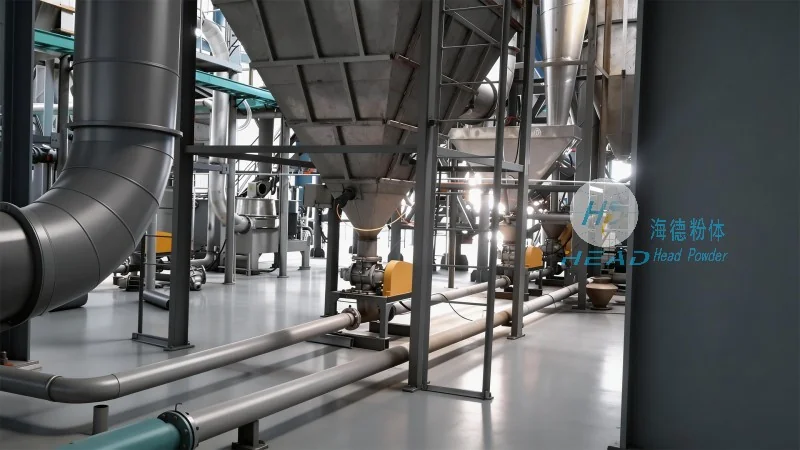
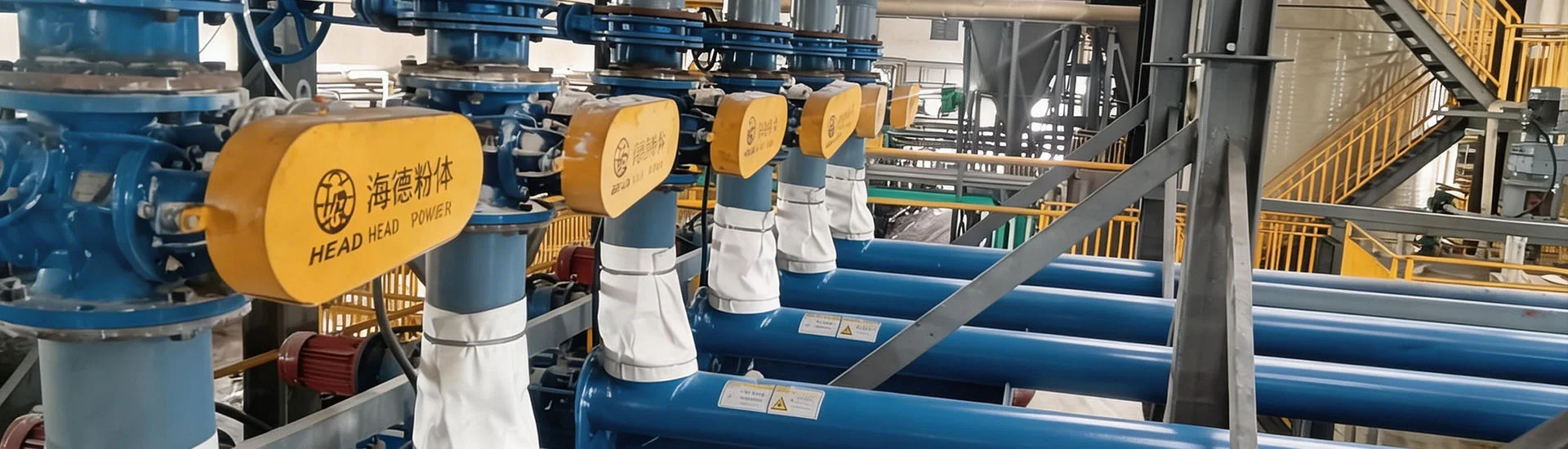
Every reliable pneumatic conveying system comprises several critical subsystems, each demanding careful selection and integration. The air supply unit – typically a roots blower, screw compressor, or vacuum pump – must deliver clean, dry air at the required pressure and volume. For cement powders, oil-free compressors are mandatory to prevent contamination that could compromise concrete quality. The feeding device, often a rotary airlock or screw feeder, meters material into the pipeline while minimizing air leakage. Rotary valves with hardened tips and ceramic liners extend service life against abrasive cement. The conveying pipeline itself, usually carbon steel or wear-resistant alloys, must be sized to maintain optimal air-to-material ratios; excessive velocity leads to wear, while insufficient velocity causes settling. Bend sections require special attention – long-radius bends or ceramic-lined elbows reduce erosion. At the receiving end, a cyclone separator or bag filter recovers the powder from the air stream. Pressure sensors, flow meters, and PLC-based controls form the nervous system, ensuring stable operation and immediate response to disturbances. Modern systems also integrate remote monitoring capabilities, allowing plant operators to adjust parameters from a central control room. When specifying components, it is vital to consult manufacturers with proven expertise in cement applications; headpowder (Consultation Hotline: 156-6277-7102) offers customized component packages validated through years of field data.
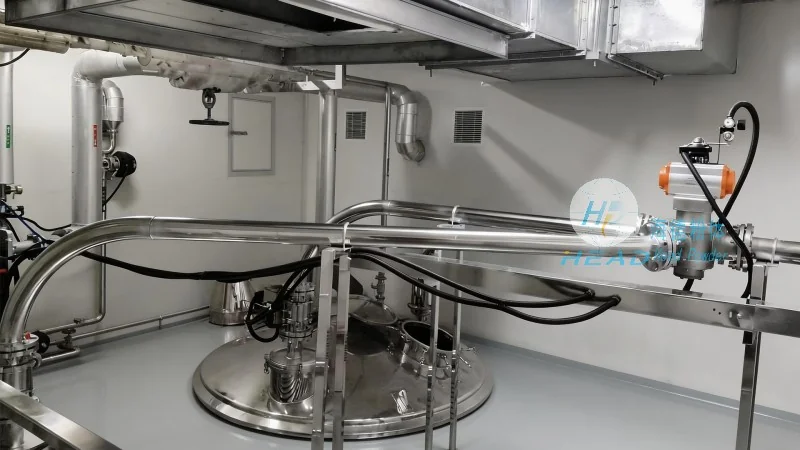
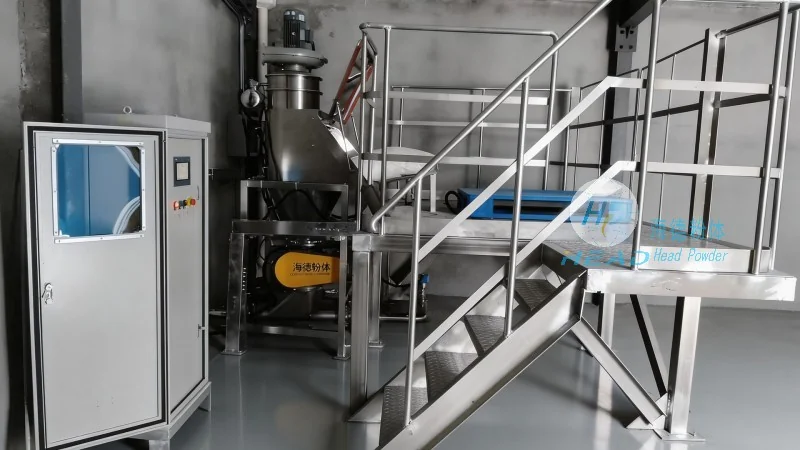
Selecting the correct pneumatic conveying system for cement dry powder requires evaluating a set of interrelated parameters. The first is conveying capacity, measured in tons per hour. For a typical cement plant silo filling application, capacities range from 20 t/h to over 200 t/h. The distance and elevation difference between source and destination directly influence pressure requirements; a 200-meter horizontal run with a 30-meter vertical lift might demand a system pressure of 3–5 bar. The air-to-material ratio (also called loading ratio) is a dimensionless number that indicates kilograms of powder per kilogram of air. Dense phase systems operate at ratios of 10–30, while dilute phase runs at 2–10. For cement, a loading ratio around 15–20 often provides the best balance of energy efficiency and wear. Particle size distribution is another critical factor: cement typically has a median particle size (D50) of 30–50 micrometers, with fines below 10 microns that can create electrostatic charging and agglomeration. Moisture content above 1% can cause caking and plugging, necessitating pre-drying or using systems with purge air. The pipeline diameter, typically 80–300 mm, must be matched to both capacity and material characteristics. Industry standards such as ISO 10628 for piping diagrams and ASME B31.3 for piping pressure design apply. A thorough technical audit by experienced engineers, like those at headpowder, can calculate these parameters using computational fluid dynamics (CFD) models and historical performance databases, ensuring the system meets both current and future production demands.
Beyond component selection, the overall design philosophy greatly influences long-term operational success. One central consideration is energy efficiency. Pneumatic conveying can consume 5–10 kWh per ton of cement moved, depending on distance and mode. Using variable frequency drives (VFDs) on compressors and blowers allows the system to modulate air flow exactly to demand, reducing energy waste by up to 30% compared to fixed-speed units. Another design focus is minimizing maintenance downtime. Dust leakage at rotary valves or flange joints not only wastes material but creates safety and housekeeping issues. Implementing split mechanical seals, purge air systems, and quick-release clamps can reduce repair time. The layout of the pipeline should avoid sharp turns and long horizontal sections without sufficient air support; inserting booster air injectors at regular intervals (every 30–50 meters) helps maintain plug flow in dense phase operation. Noise reduction is also critical in plant environments – installing silencers on exhaust air, using rubber-lined pipe supports, and enclosing compressors can keep sound levels below 85 dB(A). Digital twin technology is gaining traction; a virtual replica of the conveying system, fed with real-time sensor data, can predict wear rates and schedule proactive maintenance. Companies that offer integrated digital solutions, such as headpowder's SmartConvey platform, enable clients to optimize operations continuously without over-engineering the physical hardware.
Looking ahead to 2026, several trends are reshaping the cement dry powder pneumatic conveying landscape. Sustainability is paramount: the cement industry accounts for approximately 8% of global CO₂ emissions, and every efficiency improvement in material handling contributes to decarbonization. Manufacturers are adopting low-pressure dense phase systems that reduce energy consumption by 15–25% compared to legacy dilute phase designs. Additionally, the use of alternative fuels and raw materials, such as tire-derived fuel or calcined clay, introduces powders with different rheological properties, requiring flexible conveying solutions that can handle variable bulk densities and moisture contents. Automation and Industry 4.0 principles are accelerating – systems equipped with IoT sensors can now self-optimize conveying parameters, detect impending blockages, and even order spare parts automatically. The market for smart pneumatic conveying systems is projected to grow at a CAGR of 6.5% from 2024 to 2029, driven by demand for predictive maintenance and reduced downtime. Another notable trend is the modularization of systems: pre-engineered, skid-mounted units that can be rapidly deployed in brownfield plant expansions. This approach reduces on-site installation time by up to 40% and lowers project risk. headpowder has embraced these developments, offering pre-configured modules that can be integrated with existing plant infrastructure while incorporating the latest energy-saving and monitoring technologies. The convergence of stricter emission limits (like the EU's Best Available Techniques reference document for cement) and rising electricity costs will further push plant operators to invest in high-efficiency conveying solutions during the next two years.
A practical example illustrates the value of a well-designed technical solution. In a large cement plant in Southeast Asia, the client needed to transport finished cement from a central mill to three separate silos situated 180 meters away with a 25-meter elevation gain. The existing dilute phase system suffered frequent pipe blockages, excessive wear at bends requiring replacement every six months, and high energy bills. After a thorough site audit, headpowder proposed a dense phase system with a maximum conveying pressure of 4 bar, using a 150 mm diameter pipe with ceramic-lined bends and booster injectors every 40 meters. The system incorporated a VFD-controlled screw compressor and a PLC-based control algorithm that automatically adjusted the air injection timing based on pressure feedback. Post-installation, the plant achieved a 22% reduction in energy consumption per ton, pipe wear life extended to over two years, and downtime due to blockages dropped by 90%. The payback period was under 14 months. This case demonstrates that an upfront investment in a customized pneumatic conveying solution, backed by accurate engineering and reliable components, delivers measurable operational and financial benefits. headpowder's team continues to support the client with remote monitoring and annual performance reviews, ensuring the system adapts to changing production rates and material characteristics.
To maintain peak performance over the lifespan of a cement dry powder pneumatic conveying system, operators should adhere to a structured maintenance program. Daily checks include monitoring pressure differentials across filters and rotary valves, listening for unusual noises indicating wear, and verifying that purge air systems are functional. Weekly tasks involve inspecting pipeline sections for erosion, especially at bends and weld joints, and cleaning air intake filters. Monthly preventive maintenance should include lubricating bearings, checking belt tensions, and calibrating pressure transmitters. Quarterly, it is advisable to perform a full system performance audit: measure actual capacity versus design, compare energy consumption with baseline, and review control logs for abnormal events. A predictive maintenance strategy using vibration analysis on compressors and blowers can detect bearing degradation weeks before failure. Spare parts inventory management is critical – stocking ceramic-lined bend sections, rotary valve tips, and seal kits can reduce unplanned downtime from weeks to hours. Training operators to recognize early warning signs of system degradation (such as gradual pressure rise or reduced throughput) empowers the team to intervene before costly breakdowns occur. headpowder provides comprehensive training programs and digital maintenance dashboards that simplify these tasks, helping plant personnel become proficient in the system's operation and care.
In summary, the technical solution for cement dry powder pneumatic conveying is not a one-size-fits-all product but a carefully engineered balance of pressure, velocity, pipe geometry, and component quality. As the cement industry faces increasing demands for efficiency, sustainability, and automation, the role of a reliable conveying system becomes even more central to plant performance. By understanding the fundamental principles, selecting appropriate components based on precise parameters, incorporating modern design features for energy savings and maintainability, and staying ahead of industry trends through 2026, plant operators can ensure their material handling operations remain competitive and future-proof. Engaging with a knowledgeable partner like headpowder, which combines deep process expertise with practical field experience, provides the assurance that the system will be tailored to the unique challenges of a given facility. Whether expanding an existing line or building a greenfield plant, investing in a well-conceived pneumatic conveying solution pays dividends through reduced operating costs, improved product quality, and enhanced workplace safety. For detailed feasibility studies, engineering consultations, or customized quotations, the headpowder team is available to discuss your specific requirements. (Consultation Hotline: 156-6277-7102)

 Shandong headpowder Engineering Co., Ltd.
 156-6277-7102(Manager Zhang)
  0531-83386006
  Jinan City, Shandong Province, China
服务热线
微信咨询
回到顶部