

Design Considerations for Gypsum Sand Pneumatic Conveying Systems
When designing a pneumatic conveying system for gypsum sand, several critical factors must be considered to ensure efficiency, reliability, and longevity. This article outlines key design considerations, with a focus on the expertise of Shandong HeadPowder Engineering Co., Ltd., a leading provider in the field.
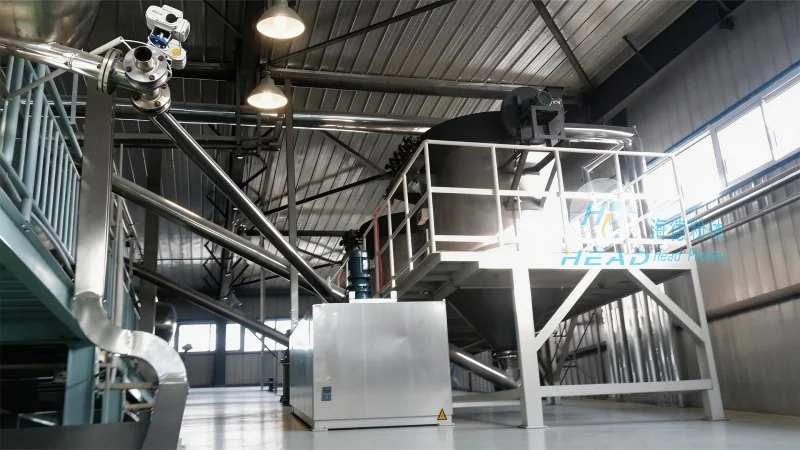
System Type Selection: Positive Pressure vs. Negative Pressure
The first major decision in system design is choosing between positive pressure and negative pressure systems. Positive pressure systems, where air is blown into the conveying line, are often preferred for gypsum sand due to their ability to handle abrasive materials and maintain consistent flow. Negative pressure systems, on the other hand, draw material into the line using suction, which can be more suitable for applications requiring dust control. HeadPowder engineers recommend evaluating the specific characteristics of the gypsum sand, such as particle size, moisture content, and abrasiveness, to determine the optimal system type.
Pipeline Design and Layout
Proper pipeline design is essential for minimizing pressure drops and preventing material buildup. The pipeline should be sized to accommodate the required flow rate while maintaining a velocity that keeps the gypsum sand in suspension. HeadPowder emphasizes the importance of using smooth, corrosion-resistant materials like stainless steel or high-density polyethylene (HDPE) to reduce friction losses. Additionally, the layout should include gradual bends and minimal vertical drops to avoid material degradation or blockages. Properly designed expansion joints and support structures are also critical to handle thermal expansion and maintain structural integrity.
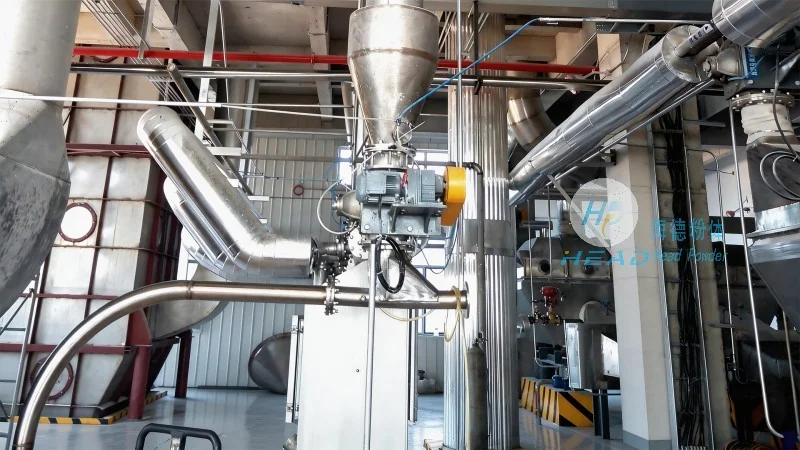
Equipment Selection: Pumps and Separators
The choice of conveying equipment, such as rotary lobe pumps or positive displacement blowers, directly impacts system performance. Rotary lobe pumps are ideal for handling abrasive materials like gypsum sand, as they provide consistent flow and low shear. Positive displacement blowers, often used in positive pressure systems, offer high pressure and are suitable for long-distance conveying. HeadPowder’s engineers recommend selecting equipment based on the system’s pressure requirements, flow rate, and the specific properties of the gypsum sand. Additionally, incorporating high-quality separation and filtration equipment is crucial to prevent dust accumulation and maintain system efficiency. Properly designed cyclone separators and bag filters help maintain air quality and extend the life of downstream equipment.
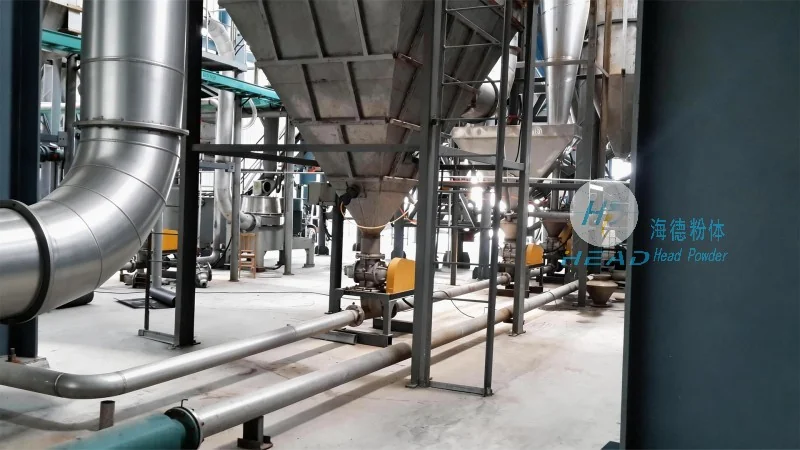
Material Selection and Corrosion Resistance
Gypsum sand is known for its corrosive properties, especially when combined with moisture. Therefore, selecting materials that can withstand chemical and mechanical stress is paramount. HeadPowder recommends using stainless steel (e.g., 316L) for critical components like pumps and valves, as it offers excellent resistance to corrosion and abrasion. For less critical parts, high-quality plastics like polypropylene or PVC may be used, but these should be evaluated for compatibility with the gypsum sand’s properties. Proper material selection not only extends the system’s lifespan but also ensures compliance with industry standards and safety regulations.
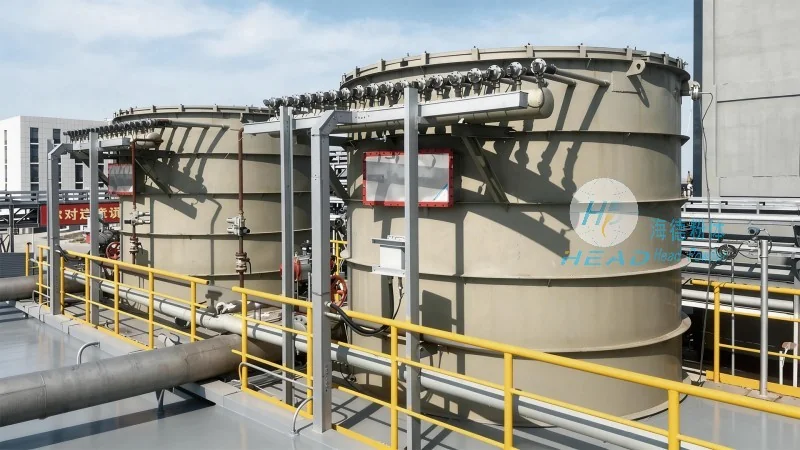
Maintenance and Operational Considerations
Regular maintenance is essential to keep a pneumatic conveying system for gypsum sand operating at peak efficiency. HeadPowder advises implementing a preventive maintenance schedule that includes checking for wear and tear on components, cleaning filters and separators, and monitoring pressure and flow rates. Additionally, training operators on proper system operation and emergency procedures is critical to prevent downtime and ensure safety. By following these guidelines, businesses can minimize operational costs and maximize the lifespan of their conveying systems.
Conclusion: Partnering with HeadPowder for Expert Solutions
Designing a successful gypsum sand pneumatic conveying system requires a deep understanding of material properties, system dynamics, and operational requirements. Shandong HeadPowder Engineering Co., Ltd. brings decades of experience to the table, offering tailored solutions that address the unique challenges of gypsum sand handling. From system design and equipment selection to installation and maintenance, HeadPowder’s team of experts ensures that every project meets the highest standards of efficiency and reliability. For businesses seeking to optimize their gypsum sand handling processes, partnering with HeadPowder is the smart choice.