

Design Considerations for Dolomite Pneumatic Conveying Systems
HeadPowder, a leading engineering firm based in Shandong, China, specializes in the design and implementation of efficient dolomite pneumatic conveying systems. These systems are crucial for industries that handle dolomite, a calcium magnesium carbonate mineral widely used in cement production, steel manufacturing, and chemical processing. The proper design of such systems ensures optimal material handling, reduced operational costs, and enhanced safety in industrial applications.
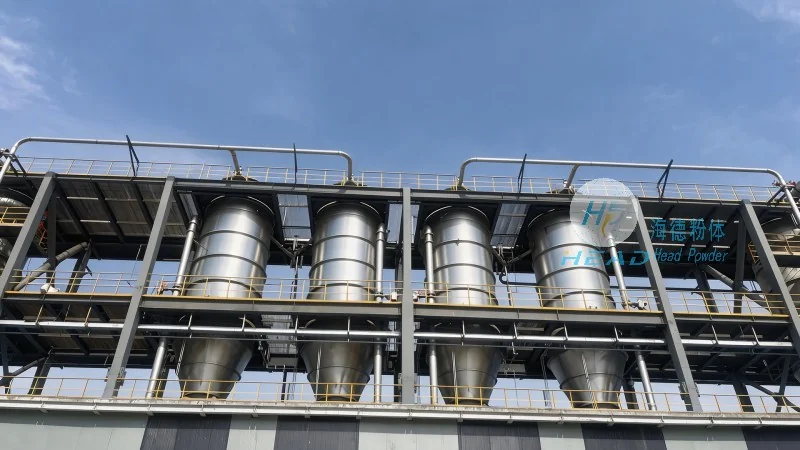
Key Design Considerations for Dolomite Pneumatic Conveying
When designing a dolomite pneumatic conveying system, several critical factors must be addressed to ensure reliable and efficient operation. The first consideration is the material's physical properties, including its particle size distribution, density, and flowability. Dolomite particles can vary significantly in size, and this variation directly impacts the system's air flow requirements and equipment selection. For instance, finer particles may require higher air velocities to maintain suspension, while larger particles need robust conveying lines and appropriate airlocks to prevent blockages.
System Configuration and Components
HeadPowder's engineering team emphasizes the importance of a well-configured system that includes essential components such as feeders, air compressors, conveying lines, and collection hoppers. The choice of feeder type, whether it's a rotary valve or a screw feeder, depends on the dolomite's bulk density and flow characteristics. For dolomite, which can be cohesive or have a tendency to form agglomerates, a rotary valve with adjustable speed control is often preferred to maintain consistent material flow. The air compressor must be sized to provide sufficient air pressure and volume to overcome the system's resistance, including friction losses in the conveying lines and pressure drops at bends and fittings.
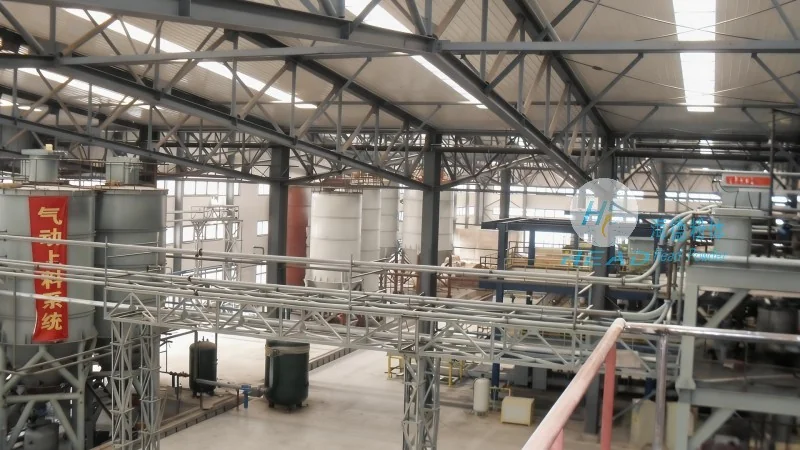
Material Handling Challenges and Solutions
Dolomite's chemical and physical properties present unique challenges in pneumatic conveying. For example, its relatively high moisture content or the presence of fines can lead to caking or blockages in the system. To mitigate these issues, HeadPowder recommends incorporating drying or conditioning steps before the material enters the conveying line. Additionally, the use of flexible hoses or smooth, corrosion-resistant pipes can reduce friction and prevent material buildup. Regular maintenance, such as cleaning air filters and inspecting for wear in components, is also essential to prolong the system's lifespan and maintain performance.
Energy Efficiency and Cost Optimization
Designing an energy-efficient dolomite pneumatic conveying system is a key focus for HeadPowder. By optimizing air velocity and pressure, the system can reduce energy consumption without compromising material transport efficiency. For instance, using a lower air velocity with a larger pipe diameter can achieve the same conveying capacity while consuming less power. Furthermore, the selection of high-efficiency air compressors and the implementation of energy recovery systems, such as regenerative blowers, can further enhance cost-effectiveness. These measures not only lower operational expenses but also align with environmental sustainability goals, making the system more attractive for long-term industrial use.
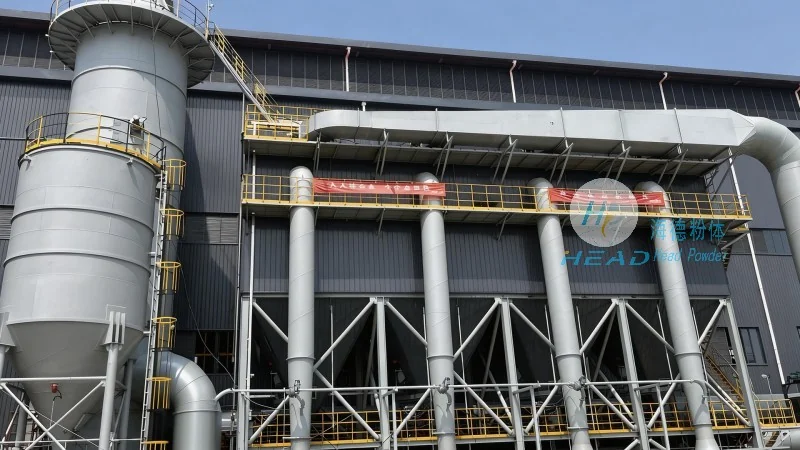
Customization and Application-Specific Solutions
Every dolomite pneumatic conveying project is unique, and HeadPowder provides tailored solutions to meet specific application requirements. Whether the system is for bulk material transport in a cement plant, dust collection in a steel mill, or chemical processing, the design is customized to handle the material's characteristics and the facility's operational constraints. The company's engineers work closely with clients to assess site conditions, material flow rates, and safety regulations, ensuring that the final system meets all industry standards and client expectations.
Conclusion
Designing an effective dolomite pneumatic conveying system requires a comprehensive understanding of material properties, system components, and operational requirements. HeadPowder Engineering Co., Ltd., with its expertise and commitment to quality, offers reliable solutions that address the challenges of dolomite handling. By adhering to best practices in system design, including proper component selection, energy-efficient operation, and regular maintenance, industries can achieve efficient material transport, reduced costs, and improved safety in their processes. With offices in Shandong, China, HeadPowder continues to serve clients globally, providing innovative engineering solutions for pneumatic conveying systems.