

Design Considerations for Malt Sugar Pneumatic Conveying Systems
For industrial applications involving malt sugar, the design of a pneumatic conveying system is a critical factor in ensuring efficient and reliable material handling. This article outlines key considerations for the design of such systems, focusing on the specific requirements of malt sugar, and highlights the expertise of Shandong HeadPowder Engineering Co., Ltd. as a leading provider in this field.
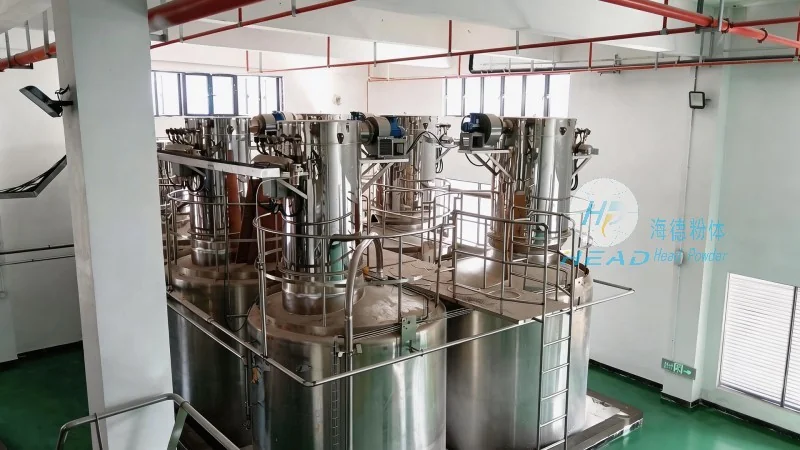
System Design Fundamentals for Malt Sugar Handling
When designing a pneumatic conveying system for malt sugar, several fundamental principles must be considered to optimize performance and minimize operational issues. The first step is to assess the material characteristics of malt sugar, including its bulk density, flowability, and potential for caking or bridging. These properties directly influence the choice of conveying method—whether it is a pressure or vacuum system—and the selection of appropriate equipment such as rotary valves, feeders, and conveying lines.
Material Handling Challenges and Solutions
Malt sugar, like many bulk solids, presents unique challenges during transport. For instance, its hygroscopic nature can lead to moisture absorption, which may affect flowability and cause blockages in the system. To address this, the design should incorporate features like moisture control, temperature regulation, and anti-caking agents. Additionally, the system must be designed to prevent product degradation, which is crucial for maintaining the quality of malt sugar used in food and beverage industries. HeadPowder's engineers specialize in tailoring solutions that mitigate these challenges, ensuring consistent product quality throughout the conveying process.
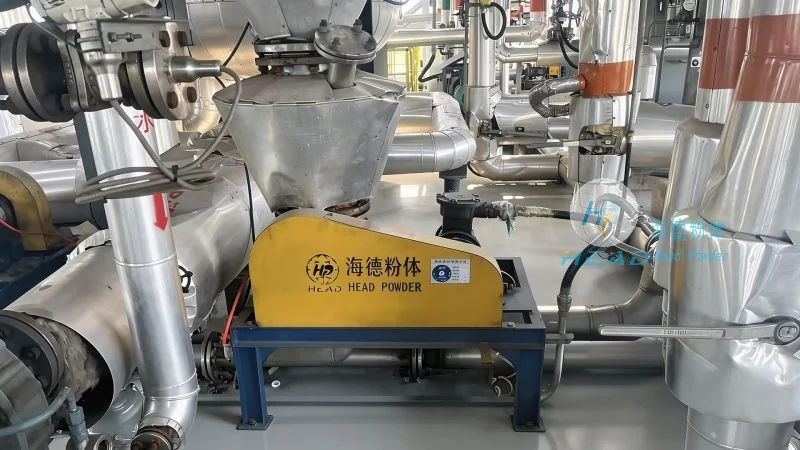
Equipment Selection and Integration
The selection of equipment components is a critical aspect of system design. Key components include the material feed system (e.g., rotary airlocks or screw feeders), the conveying line (typically made of stainless steel to prevent corrosion and contamination), and the separation and collection equipment. For malt sugar, stainless steel is often preferred due to its resistance to chemical reactions and ease of cleaning. The integration of these components must be seamless to avoid material loss or contamination. Shandong HeadPowder Engineering Co., Ltd. employs advanced engineering techniques to ensure that each component is optimized for the specific characteristics of malt sugar, resulting in a system that operates efficiently and reliably.
System Sizing and Flow Rate Considerations
Accurate system sizing is essential to avoid under- or over-designing the pneumatic conveying system. The flow rate of malt sugar must be matched to the system's capacity to prevent bottlenecks or excessive energy consumption. Factors such as the desired conveying distance, elevation changes, and the required throughput rate all influence the sizing calculations. Overestimating or underestimating the flow rate can lead to operational inefficiencies or system failures. HeadPowder's team of engineers uses sophisticated software and empirical data to determine the optimal system dimensions, ensuring that the system meets the client's production requirements without unnecessary costs or performance issues.
Control and Monitoring Systems
Modern pneumatic conveying systems for malt sugar often incorporate advanced control and monitoring systems to enhance operational efficiency and safety. These systems may include sensors for pressure, flow, and temperature, as well as automated controls to adjust the system's operation based on real-time conditions. For example, a pressure sensor can detect blockages or changes in material flow, triggering an alarm or adjusting the air supply to prevent system damage. The integration of such systems allows for proactive maintenance and reduces downtime. Shandong HeadPowder Engineering Co., Ltd. specializes in integrating these advanced control systems, providing clients with a high level of operational control and reliability.
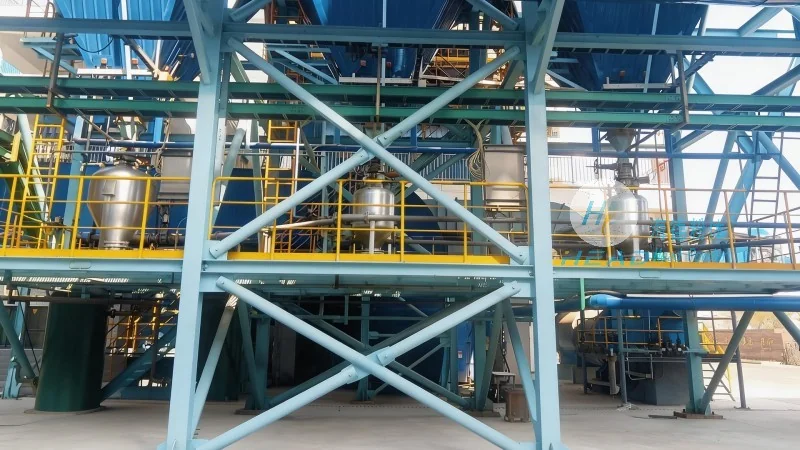
Maintenance and Longevity
Proper maintenance is crucial for the long-term performance and longevity of a malt sugar pneumatic conveying system. Regular inspections, cleaning, and component replacement are necessary to prevent wear and tear. The design should include features that facilitate maintenance, such as easy access to components and removable parts. HeadPowder's engineers recommend a preventive maintenance schedule tailored to the system's usage and the characteristics of malt sugar. By adhering to these maintenance practices, clients can extend the life of their equipment and ensure consistent performance over time.
Conclusion
Designing a pneumatic conveying system for malt sugar requires a comprehensive understanding of the material's properties and the specific operational requirements of the application. By addressing key considerations such as material handling challenges, equipment selection, system sizing, control systems, and maintenance, engineers can develop a system that is efficient, reliable, and cost-effective. Shandong HeadPowder Engineering Co., Ltd. brings decades of experience and expertise to the design and implementation of such systems, ensuring that clients receive solutions tailored to their unique needs. With a focus on quality and performance, HeadPowder is a trusted partner for industries relying on malt sugar processing and transportation.