

[W木粉尘气力输送系统设计
Wood dust, a common byproduct in woodworking and related industries, poses significant challenges for material handling and environmental compliance. Traditional methods such as manual collection or vacuum systems often fall short in terms of efficiency, safety, and scalability. Pneumatic conveying systems offer a modern solution to these challenges, enabling the safe and efficient transport of wood dust from production lines to storage or treatment facilities. This article explores the design principles and key considerations for an effective wood dust pneumatic conveying system, with a focus on the expertise of Shandong HeadPowder Engineering Co., Ltd., a leading provider in the field.
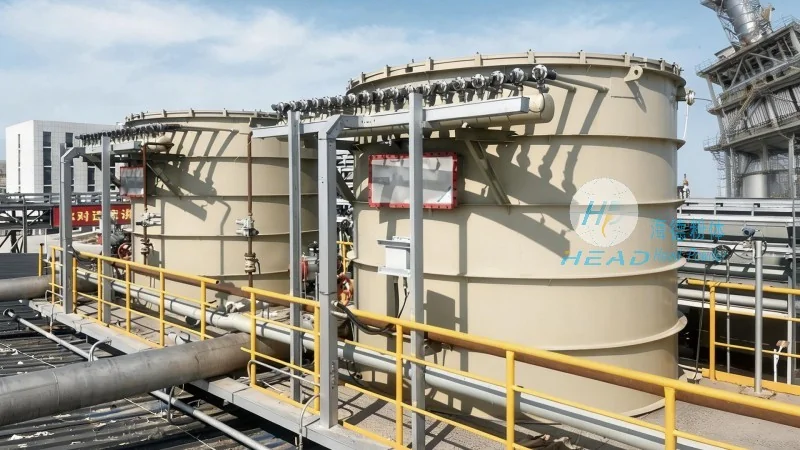
About HeadPowder: Your Trusted Engineering Partner
HeadPowder, operating under the full name Shandong HeadPowder Engineering Co., Ltd., is a professional engineering firm based in Shandong, China. With years of experience in industrial material handling solutions, the company specializes in designing, manufacturing, and implementing pneumatic conveying systems tailored to the unique needs of wood processing industries. HeadPowder's commitment to quality, safety, and innovation has made it a trusted partner for businesses seeking reliable and efficient dust management solutions. The company's team of experienced engineers and technicians work closely with clients to understand their operational requirements and develop customized systems that meet both functional and regulatory standards.
Key Design Considerations for Wood Dust Pneumatic Conveying
The successful design of a wood dust pneumatic conveying system involves several critical factors that ensure optimal performance and longevity. First, the selection of the appropriate conveying method—whether positive or negative pressure—depends on the specific characteristics of the wood dust, including particle size, moisture content, and flowability. Positive pressure systems, which use compressed air to push material through pipelines, are often preferred for wood dust due to their ability to handle abrasive particles and prevent system blockages. The design also includes considerations for pipeline layout, with proper bends, elbows, and straight sections to minimize pressure drop and maintain consistent flow rates. Additionally, the inclusion of filters and cyclones is essential for capturing fine dust and maintaining air quality, aligning with environmental regulations and workplace safety standards.
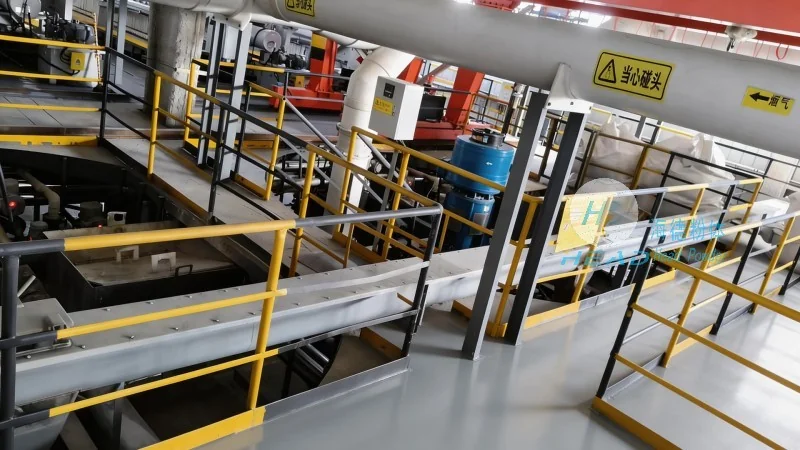
Equipment Selection and System Components
A well-designed wood dust pneumatic conveying system integrates a range of specialized equipment to ensure smooth operation. At the heart of the system is the dust collector or hopper, which collects the wood dust from the production line and feeds it into the conveying pipeline. The feeder, typically a rotary valve or screw feeder, regulates the flow of material into the system, preventing surges and ensuring consistent pressure. The air compressor or blower provides the necessary pressure to move the dust through the pipeline, with options including centrifugal or positive displacement blowers based on the system's capacity and pressure requirements. The pipeline itself is constructed from materials resistant to abrasion and corrosion, such as stainless steel or coated steel, to withstand the abrasive nature of wood dust over time. Finally, the system includes control panels and monitoring equipment to track pressure, flow rates, and system performance, allowing for real-time adjustments and maintenance.
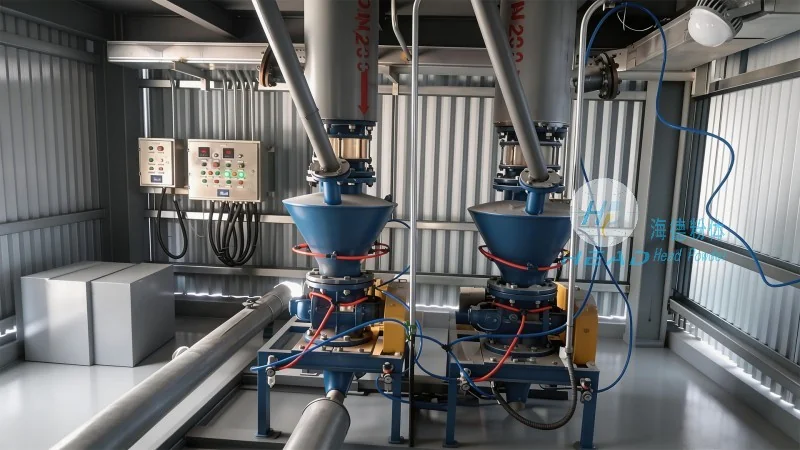
Advantages of Pneumatic Conveying for Wood Dust
Compared to traditional methods, pneumatic conveying offers several advantages for wood dust management. One of the primary benefits is the ability to transport dust in a closed system, reducing dust emissions and improving workplace air quality. This not only enhances safety for workers but also helps businesses comply with environmental regulations. Additionally, pneumatic systems are highly efficient, with minimal material loss and reduced downtime due to blockages. The closed pipeline design also prevents dust from contaminating other areas of the facility, maintaining product quality and reducing cleaning costs. Furthermore, the flexibility of pneumatic conveying allows for integration with existing production lines, minimizing disruption during installation and operation. HeadPowder's expertise in system design ensures that these advantages are fully realized, with customized solutions that adapt to the specific needs of each client.
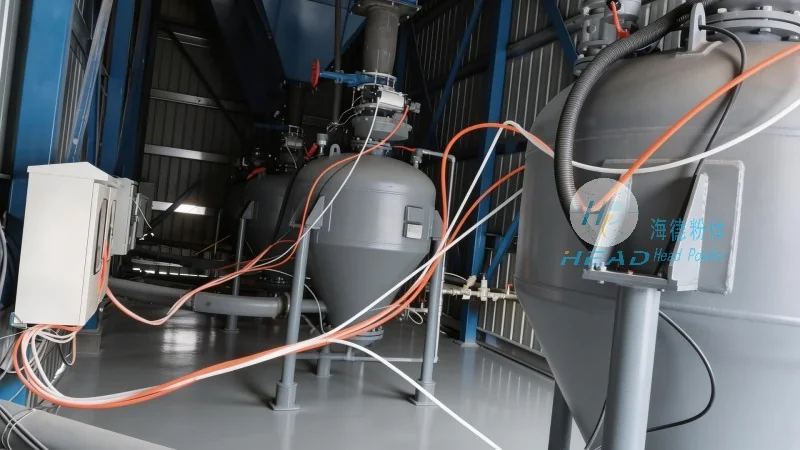
Application Examples and Case Studies
HeadPowder has successfully implemented wood dust pneumatic conveying systems in various wood processing applications, including furniture manufacturing, woodworking mills, and particle board production. For example, a furniture manufacturer in Shandong reduced dust emissions by 90% and improved material handling efficiency by 25% after installing a custom-designed positive pressure system. The system integrated a large-capacity dust collector, a rotary valve feeder, and a stainless steel pipeline network, tailored to the manufacturer's production volume and dust characteristics. Another case involved a woodworking mill that needed to transport wood dust from multiple production lines to a central storage facility. HeadPowder designed a multi-line system with a central control panel, allowing for seamless integration and efficient material management. These examples highlight the versatility and effectiveness of pneumatic conveying systems in real-world applications, demonstrating the value of professional engineering and customization.
Conclusion and Future Trends
Wood dust pneumatic conveying systems represent a critical advancement in industrial material handling, offering businesses a reliable and efficient solution to dust management challenges. With the expertise of companies like Shandong HeadPowder Engineering Co., Ltd., businesses can implement systems that not only improve operational efficiency but also enhance workplace safety and environmental compliance. As technology continues to evolve, future trends in pneumatic conveying may include the integration of automation and IoT sensors for real-time monitoring and predictive maintenance. However, the core principles of effective system design—such as proper material handling, equipment selection, and safety considerations—will remain essential for successful implementation. For businesses in the wood processing industry, investing in a well-designed pneumatic conveying system is a strategic decision that can yield long-term benefits in productivity, safety, and sustainability.