

Principle and Working Scene Characteristics of Intermittent Feeding Material Handling Systems
Intermittent feeding material handling systems represent a critical component in modern industrial automation, designed to efficiently transport bulk materials or discrete items in a controlled, step-by-step manner. These systems are engineered to deliver precise material flow, ensuring optimal performance in various production environments. The core principle behind such systems lies in their ability to move materials in discrete intervals, rather than continuously, which allows for better control over the feeding process and reduces the risk of overloading or material jams.
System Components and Operational Principle
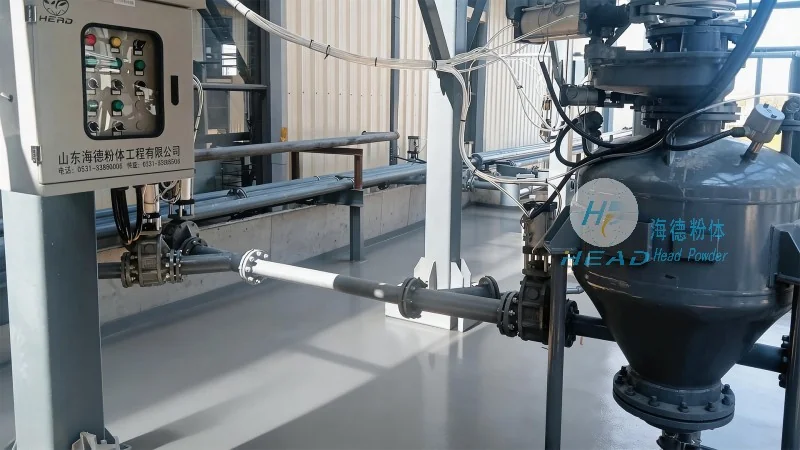
Intermittent feeding material handling systems are composed of several integrated components that work together to achieve precise material transport. The primary components include a material hopper or storage bin, a feeding mechanism (such as a vibratory feeder or screw feeder), a control unit (electronic or mechanical), and a conveying system (e.g., belt or chain conveyor). The material hopper serves as the storage reservoir, holding the bulk material until it is needed. The feeding mechanism is responsible for releasing the material in controlled, discrete amounts, based on the signals from the control unit. The control unit, often equipped with sensors and timers, regulates the timing and duration of material release, ensuring consistent feeding rates. The conveying system then transports the material from the feeding point to the processing or packaging station. The synchronization of these components is critical for the system's performance, as any delay or misalignment can lead to material jams or uneven flow.
Working Scene Characteristics and Application Scenarios
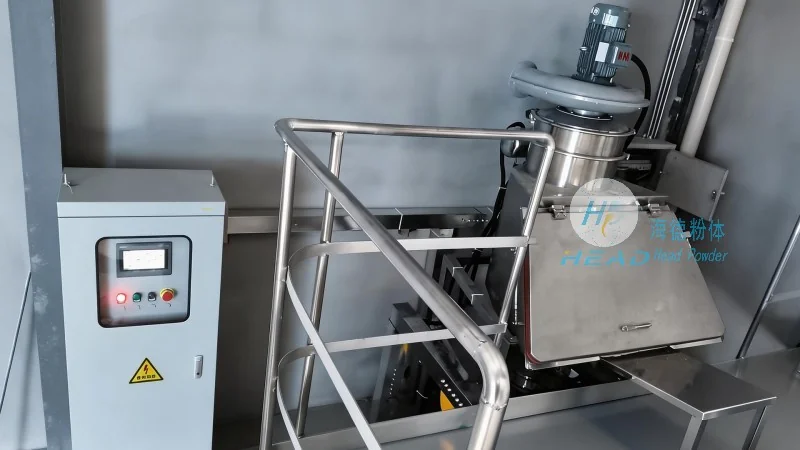
The working scene characteristics of intermittent feeding systems are defined by their ability to handle various material types and operating conditions. These systems are designed to operate in environments with varying material properties, such as powders, granules, or small parts. The key characteristics include high precision in material delivery, low noise operation, and minimal material waste. In pharmaceutical manufacturing, for example, intermittent feeding systems are used to dispense active ingredients with high accuracy, ensuring compliance with stringent quality standards. In food processing, these systems help in controlling the flow of ingredients, preventing cross-contamination and maintaining product freshness. The systems are also suitable for electronic component assembly, where precise feeding of small parts is essential for efficient production. The adaptability of intermittent feeding systems makes them a preferred choice in industries where material control is paramount.
Advantages in Material Handling Efficiency
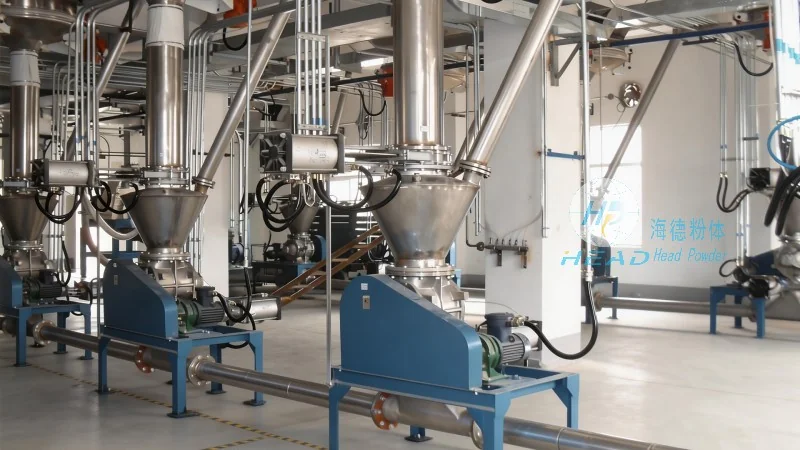
Intermittent feeding material handling systems offer several advantages that enhance operational efficiency and productivity. One of the main benefits is the ability to control material flow in discrete steps, which reduces the risk of overloading or material jams. This leads to improved throughput and reduced downtime, as the system can quickly adjust to changes in production demand. The precise control over feeding rates allows for better integration with downstream processes, such as packaging or assembly, ensuring that the material is delivered at the exact moment needed. This synchronization not only improves efficiency but also minimizes waste and improves overall product quality. Additionally, the systems are designed for low maintenance, with easy access to components for inspection and repair, reducing operational costs. The energy efficiency of these systems, particularly in terms of power consumption, further contributes to their cost-effectiveness.
Customization and Integration with Production Lines
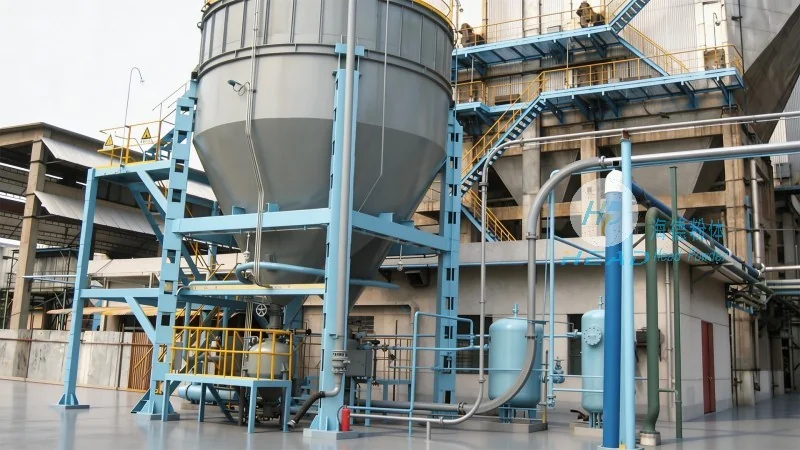
Shandong HeadPowder Engineering Co., Ltd. specializes in providing customized intermittent feeding solutions tailored to the specific needs of different industries. The company, operating from China's Shandong province, leverages advanced engineering and manufacturing capabilities to design and produce systems that meet the unique requirements of each client. Customization options include adjustable feeding rates, variable material capacities, and different conveyor configurations to suit various production lines. The systems can be integrated with existing production equipment, such as automated assembly lines or packaging machines, without disrupting the current workflow. Shandong HeadPowder Engineering Co., Ltd. also offers technical support and maintenance services to ensure the long-term performance and reliability of their systems. By partnering with this company, businesses can enhance their material handling capabilities and improve overall production efficiency.