News
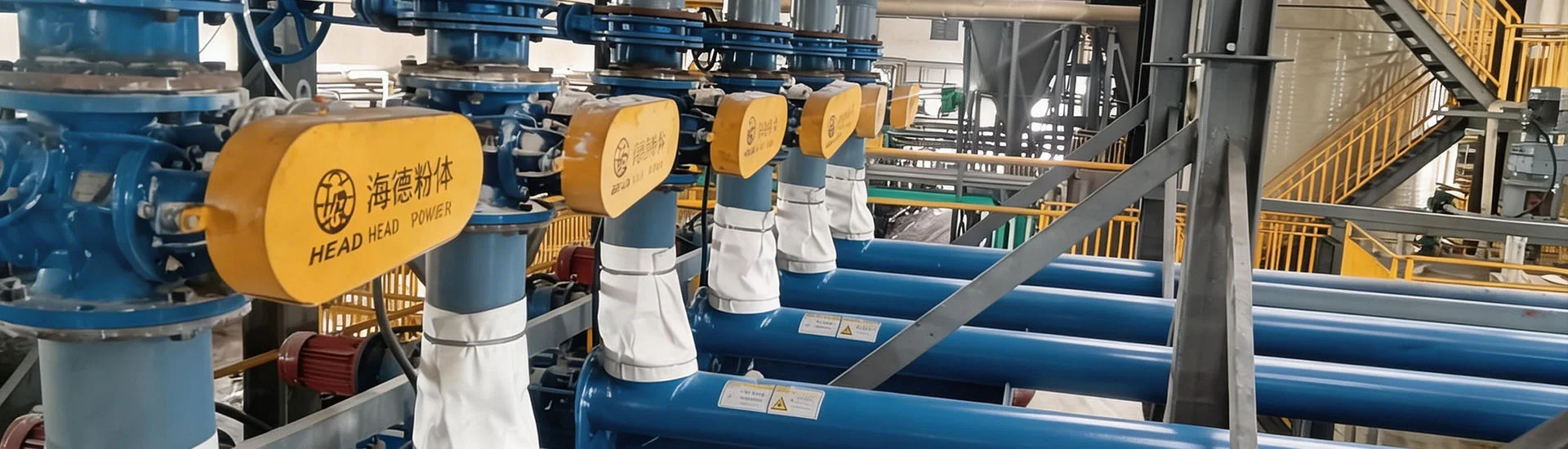
Rich project cases across industries, showing real implementation and proven technical strength.In the modern industrial landscape, the efficient and reliable handling of fly ash is a critical operational requirement for coal-fired power plants, cement facilities, and various bulk material processing industries. As environmental regulations tighten globally and the demand for sustainable byproduct utilization grows, the selection of an appropriate conveying technology directly impacts plant availability, maintenance costs, and overall profitability. Pneumatic conveying systems have emerged as the dominant solution for fly ash transport, offering enclosed, dust-free, and flexible material movement over complex routes. This comprehensive overview examines the fundamental principles, system configurations, key design parameters, and emerging trends that define fly ash pneumatic conveying in 2026, providing plant engineers and decision-makers with actionable insights for system selection and optimization.
Pneumatic conveying utilizes air or gas flow to transport dry bulk solids through a sealed pipeline. For fly ash, a fine, abrasive, and often aeratable material, the conveying principle relies on the suspension and fluidization of particles within a moving airstream. The system typically consists of a feed point (such as a hopper or silo outlet), a conveying line, an air mover (blower or compressor), and a separation device (baghouse or cyclone) at the destination. The key physical property of fly ash—its low bulk density, typically ranging from 0.8 to 1.2 t/m³, and its high angle of repose—demands careful control of air velocity and pressure to prevent line blockages or excessive wear. Unlike mechanical conveyors, pneumatic systems offer complete enclosure, eliminating fugitive dust emissions that are a major environmental concern in fly ash handling. Additionally, they provide inherent flexibility in routing, allowing pipelines to navigate around existing structures, ascend vertical elevations, and distribute material to multiple storage silos with minimal space footprint.
Two primary pneumatic conveying modes dominate fly ash applications: positive pressure (pressure) systems and negative pressure (vacuum) systems. Each offers distinct advantages depending on plant layout, distance, and material characteristics.
Positive Pressure Systems operate with an air mover (typically a rotary screw or centrifugal blower) placed at the beginning of the conveying line, generating pressures from 0.5 to 2.0 bar. These systems are ideal for long-distance conveying—often exceeding 500 meters—and for elevating fly ash to high silo heights. The pressurized air entrains the material from a feeding device like a rotary valve or pressure vessel, pushing it through the pipeline toward the receiver. Because the system operates above atmospheric pressure, any leakage is outward, which can create minor dust issues but typically allows higher throughput. Positive pressure configurations are widely preferred for central collection of fly ash from multiple boiler hoppers to a single storage facility. In 2026, advancements in variable speed drive blowers have enabled precise pressure control, reducing energy consumption by up to 18% compared to fixed-speed units, as reported in recent utility sector case studies.
Negative Pressure (Vacuum) Systems draw material into the pipeline by maintaining sub-atmospheric pressure at the pickup point, using a vacuum pump or regenerative blower at the discharge end. This configuration excels in applications where multiple pickup points must serve a single destination, such as collecting fly ash from several electrostatic precipitator hoppers. The vacuum naturally eliminates dust emissions at feed points because air is drawn inward. However, the conveying distance is limited—typically under 200 meters—due to the maximum achievable vacuum (approximately -0.5 bar). For shorter runs, vacuum systems offer lower capital cost and simpler control. Hybrid systems that combine both modes, such as vacuum collection followed by pressure transfer, are becoming more common in large power plants where ash must be conveyed several kilometers to storage or loading facilities.
The choice between dense phase and dilute phase conveying significantly affects system performance, maintenance intervals, and operating cost. Both approaches are viable for fly ash, but their application depends on particle size, moisture content, and desired throughput.
Dilute Phase Conveying operates at high air velocities—typically 20 to 30 m/s—keeping particles fully suspended in the airstream. This method is straightforward, requires simpler feeding equipment, and can achieve high tonnage rates, often exceeding 100 t/h in large installations. However, the high velocity accelerates erosion of pipeline elbows and straight sections, especially with abrasive fly ash containing silica or alumina. In a typical coal-fired power plant handling 500 tons of ash daily, dilute phase conveying may require replacement of critical elbow sections every 12 to 18 months, adding significant maintenance labor and downtime. Newer wear-resistant ceramic-lined pipes have extended service life to over 5 years in some applications, but initial capital costs are higher.
Dense Phase Conveying moves fly ash at low velocities—typically 3 to 8 m/s—in a slug or plug flow regime. By using higher pressure (2 to 6 bar) from compressors, the material is pushed in compact columns with minimal air volume. This dramatically reduces pipe wear and particle attrition, and lowers power consumption by 30% to 50% compared to dilute phase for the same tonnage. Dense phase is particularly beneficial for friable or sensitive materials, but fly ash can also be conveyed dense phase if the moisture content is below 1% and the particle size distribution is consistent. The main trade-off is lower instantaneous capacity per line and the need for more sophisticated pressure vessels and control valves. Many modern fly ash conveying systems adopt a "medium phase" approach, operating at 10 to 15 m/s with moderate pressures, achieving a balance between wear reduction and throughput flexibility. Industry data from 2025 shows that over 45% of new fly ash conveying projects in North America and Europe now specify dense or medium phase, driven by energy cost pressures and sustainability targets.
A reliable pneumatic conveying system for fly ash depends on properly selected and integrated components. Understanding the role and sizing of each element prevents common failures like plugging, excessive pressure drop, or premature wear.
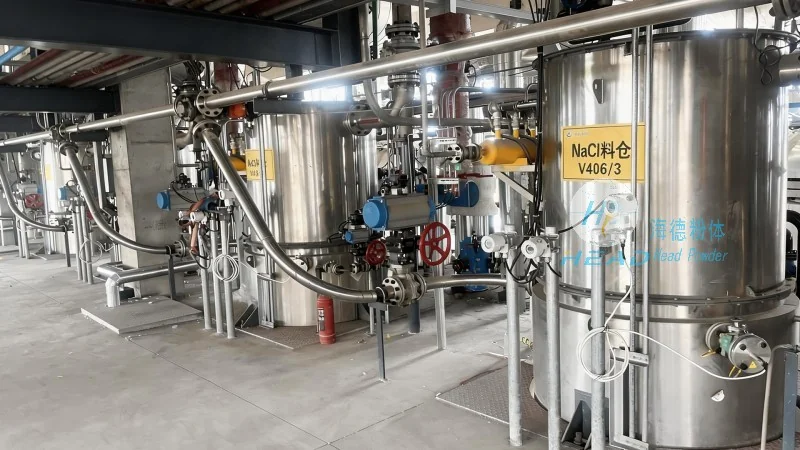
The fly ash conveying sector is evolving rapidly in response to decarbonization efforts, digitalization, and circular economy initiatives. Several key trends are shaping system design and operation this year. First, energy optimization has become a primary focus. With electricity costs rising globally, plant operators are demanding systems that consume 0.5 to 1.2 kWh per ton of ash conveyed, compared to legacy systems that often exceeded 2.0 kWh/t. Innovations like adaptive air control and waste heat recovery from compressors are driving these improvements. Second, predictive maintenance using IoT sensors is gaining traction. By embedding vibration, temperature, and pressure transducers at critical points—especially at elbows and airlocks—operators can forecast wear and schedule maintenance before failure occurs. One European power plant reported a 40% reduction in unplanned downtime after implementing such a system in 2024.
Another significant trend is sustainable ash utilization. Fly ash is increasingly diverted from landfills to be used in cement, concrete, and geopolymer production. This requires conveying systems that can handle multiple ash grades and blend them accurately. Dense phase systems with gravimetric feeding are being developed to ensure precise proportioning. Additionally, modular and containerized system designs are becoming popular for temporary or expansion needs, allowing rapid deployment without major civil works. In terms of standards, the 2025 revision of ASTM E2434 on pneumatic conveying of fly ash has provided updated guidelines on velocity limits and pressure drop calculations, which headpowder has incorporated into its design methodology. The company's engineering team regularly participates in industry forums to stay aligned with best practices.
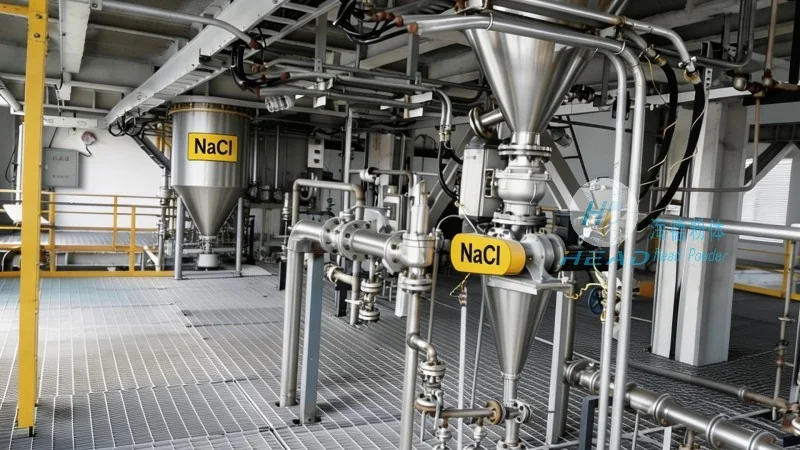
Selecting the optimal fly ash conveying system requires a thorough analysis of site conditions, material properties, and business objectives. Plant managers should evaluate the following factors to ensure the investment delivers long-term value. Conveying distance and elevation are primary determinants: for distances under 100 meters and lifts under 20 meters, vacuum dilute phase may suffice, while over 300 meters or lifts exceeding 40 meters, pressure dense phase becomes necessary. Throughput requirements dictate pipe diameter and air mover capacity. A system designed for 50 t/h but operated at 30 t/h will have higher wear due to velocity changes, so proper turndown capability is essential. Ash characteristics must be tested: moisture above 2% can cause caking in dense phase; particle size below 100 mesh increases dusting risk; and high loss-on-ignition (LOI) indicates unburned carbon that may be abrasive. A full sieve analysis and angle of repose measurement should be conducted during the design phase.
Headpowder, with over two decades of experience in powder handling, emphasizes that a "one-size-fits-all" approach leads to operational headaches. The company's engineers conduct site visits to assess existing infrastructure, available utilities (compressed air electricity), and future expansion plans. For example, in a recent project for a 600 MW coal plant in Southeast Asia, headpowder implemented a hybrid system: vacuum collection from 12 precipitator hoppers to an intermediate surge hopper, followed by positive pressure dense phase conveying over 800 meters to storage silos. This design reduced the number of blowers required and allowed the plant to achieve a 99.6% availability rate during its first year of operation. Such customized solutions underscore the importance of partnering with a supplier that offers both technical depth and application-specific know-how.
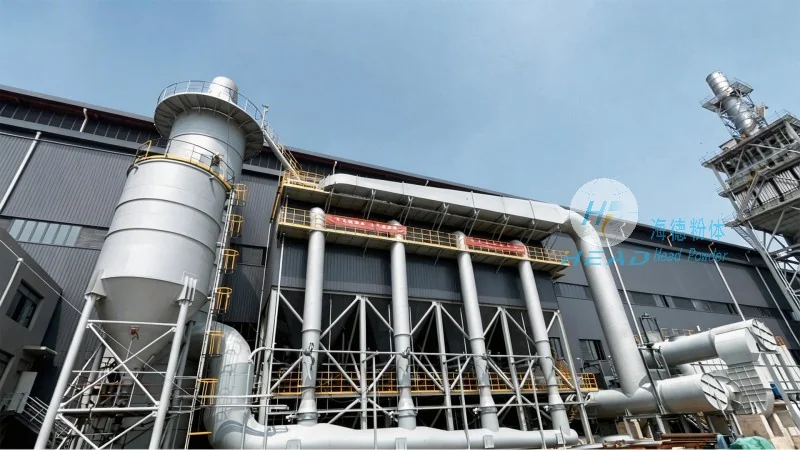
Beyond initial design, ongoing maintenance and system monitoring are vital to maximizing return on investment. Regular inspection of pipeline wear—using ultrasonic thickness gauging at predetermined intervals—helps schedule replacements without emergency shutdowns. Airlock rotor clearances should be checked quarterly, as increased leakage reduces efficiency. Blower oil and filter changes must follow manufacturer schedules; neglecting these can lead to unplanned failures. Additionally, modern control systems allow operators to track specific energy consumption per ton of ash and compare it against baselines. A gradual increase may indicate developing blockage or wear. Headpowder's after-sales support includes comprehensive training for plant personnel and remote diagnostics via secure internet connection. The company strongly advises maintaining a spare parts inventory for critical items like airlock rotors, pipe elbows, and valve seals to minimize downtime. With proper care, a well-designed fly ash pneumatic conveying system can operate reliably for 15 to 20 years, making it a sound long-term investment.
For plant engineers evaluating new systems or retrofitting existing ones, the decision ultimately hinges on balancing initial capital expenditure against operating and maintenance costs over the asset's lifetime. While dilute phase systems have lower upfront cost, their higher energy consumption and wear may prove more expensive in the long run. Dense phase, despite its higher initial investment, offers lower energy bills and longer component life. The industry is moving toward hybrid solutions that leverage the strengths of each mode. Headpowder's extensive library of case studies and performance data allows clients to model different scenarios and select the most cost-effective approach. The company's engineering team works closely with clients to ensure that every system is optimized for the specific ash conditions and operational objectives.
In conclusion, fly ash pneumatic conveying remains a dynamic and specialized field where proper system selection and design directly influence plant profitability and environmental compliance. Understanding the fundamentals of pressure mode, phase regime, and component sizing empowers decision-makers to specify systems that deliver reliable, efficient, and sustainable performance. As the energy industry continues to evolve, the demand for advanced conveying solutions will only increase, making it essential to partner with a knowledgeable and experienced provider. Headpowder has established a strong reputation for delivering engineered solutions that meet the highest standards of quality and reliability. (咨询热线:156-6277-7102) For any inquiries regarding system design, budgeting, or technical consultation, the headpowder team is ready to assist with data-driven recommendations and turnkey project support.

 Shandong headpowder Engineering Co., Ltd.
 156-6277-7102(Manager Zhang)
  0531-83386006
  Jinan City, Shandong Province, China
服务热线
微信咨询
回到顶部