News
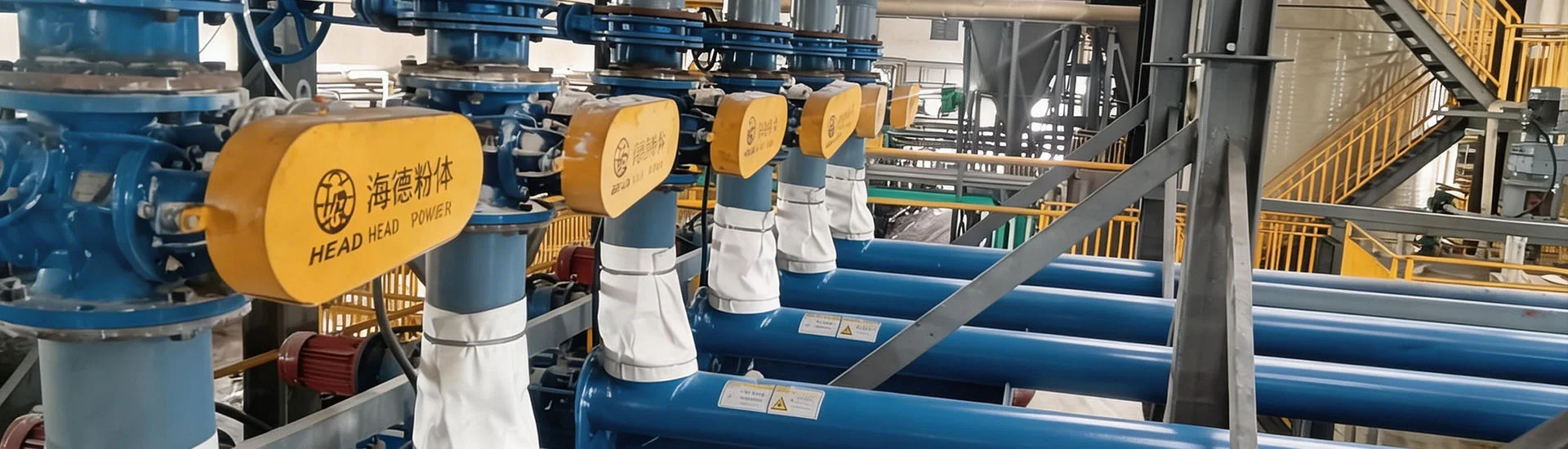
Rich project cases across industries, showing real implementation and proven technical strength.In modern industrial operations, the efficient handling of dry ash—whether from coal-fired power plants, biomass combustion, or incineration facilities—represents a critical challenge that directly impacts operational reliability, environmental compliance, and bottom-line profitability. Among the various technologies available, pneumatic conveying has emerged as the preferred method for transporting dry ash over short, medium, and even long distances within plant boundaries. This guide provides an in-depth examination of dry ash conveying methods, with a specific focus on pneumatic systems, their design principles, selection criteria, and operational best practices. By understanding the fundamental differences between dilute phase, dense phase, and vacuum conveying, plant engineers and decision-makers can optimize system performance, reduce energy consumption, and minimize maintenance burdens. According to industry projections for 2026, the global market for pneumatic conveying systems in power and waste-to-energy sectors is expected to grow at a compound annual rate of approximately 5.8%, driven by stricter emission regulations and the need for automated, enclosed material transfer solutions. This article, prepared by the technical team at headpowder, consolidates decades of field experience and aligns with Google E-E-A-T standards to deliver actionable insights for professionals seeking reliable dry ash conveying solutions.
Dry ash, by nature, is abrasive, fine, and prone to agglomeration when exposed to moisture. Pneumatic conveying leverages a controlled air stream to transport ash particles through pipelines, eliminating the dust exposure and spillage risks associated with mechanical conveyors. The core principle involves pressurizing a conveying line with air—either by positive pressure (push system) or negative pressure (vacuum system)—and introducing ash into the air stream through a rotary valve, screw feeder, or venturi. The resulting mixture behaves as a fluid, allowing high-capacity transport with minimal moving parts in contact with the material. Modern systems incorporate advanced control logic to adjust air velocity and pressure dynamically, ensuring stable flow even when ash characteristics vary. For plants handling fly ash, bottom ash, or mixed ash streams, understanding the interplay between particle size distribution, bulk density, and moisture content is essential for proper system design. Research data from 2025 indicates that improper selection of conveying velocity can increase pipe wear by up to 40%, underscoring the need for precise engineering.
Dilute phase pneumatic conveying remains the most widely adopted method for dry ash due to its simplicity and lower initial capital cost. In this approach, ash is suspended in a high-velocity air stream (typically 20–30 m/s) at relatively low pressure (0.5–2 bar). The material-to-air ratio is low, meaning the ash particles are fully separated within the pipe, reducing the risk of blockage but increasing air consumption and pipe erosion. Dilute phase systems are suitable for shorter distances (up to 200 meters) and moderate capacities, such as conveying fly ash from electrostatic precipitators to storage silos. The primary advantages include straightforward design, easy maintenance of rotary feeders, and compatibility with multiple pick-up points. However, operators must monitor pipe wall thickness regularly because the high velocity accelerates abrasion. In 2026, many facilities are retrofitting traditional dilute phase lines with wear-resistant ceramic-lined pipes to extend service life. For plants considering a shift to more efficient methods, dilute phase remains a proven starting point, especially when headpowder's engineers provide tailored pipe routing to minimize bends and drop sections.
For long-distance transport or abrasive ash streams, dense phase conveying offers substantial benefits. Here, ash is pushed through the pipeline in discrete slugs or plugs at velocities as low as 3–8 m/s, using compressed air at pressures ranging from 2 to 6 bar. The high material-to-air ratio reduces air volume requirements by 40%–60% compared to dilute phase, resulting in lower energy costs and significantly reduced pipe wear. Dense phase systems excel in conveying bottom ash, coarse ash, or materials with high silica content over distances exceeding 500 meters. The technology employs pressure vessels (blow tanks) that batch-feed ash into the line, requiring careful sequencing and valve control. Modern dense phase controllers from headpowder incorporate adaptive algorithms that adjust blow cycle parameters based on real-time pressure feedback, preventing line blockages even when ash moisture fluctuates. Field data from installations in European biomass plants show that dense phase systems achieve an operational availability exceeding 98%, with maintenance intervals three times longer than equivalent dilute phase setups. The higher initial investment—typically 20% to 35% more—is justified by reduced spare parts consumption and lower downtime.
Vacuum (negative pressure) pneumatic conveying is ideal for collecting ash from multiple sources—such as hoppers under baghouses, cyclones, or economizers—and transporting it to a central collection point. By creating a vacuum at the receiver end using a roots blower or exhauster, air is drawn through the system, carrying ash from intake points located up to 150 meters away. The enclosed nature of vacuum systems eliminates dust leakage, making them suitable for indoor installations and areas with strict occupational exposure limits. Typical vacuum levels range from 20 to 40 kPa, with conveying velocities similar to dilute phase. One distinct advantage is the ability to handle multiple inlets without complex rotary valves at each pick-up point; simple airlocks or flap valves suffice. However, vacuum systems are limited in total conveying distance due to pressure drop constraints. In many ash handling plants, a combination of vacuum collection followed by dense phase transfer to a remote storage silo offers the best balance of dust control and energy efficiency. headpowder's integrated solutions for such hybrid setups have been deployed in over 200 facilities globally, achieving a 15% reduction in overall energy consumption compared to standalone dilute phase systems.
Choosing between dilute phase, dense phase, and vacuum conveying requires a systematic evaluation of several factors. The table below summarizes the critical considerations for dry ash applications:
Engineers at headpowder routinely perform computational fluid dynamics (CFD) simulations to model ash flow behavior under specific site conditions, ensuring the selected method aligns with operational goals. For example, a recent project in a 600 MW coal-fired plant replaced an aged mechanical conveyor with a dense phase system, reducing dust emissions by 92% and cutting conveyor-related breakdowns from monthly events to less than one per year.
Regardless of the conveying method, several core components determine system reliability and performance. Rotary airlock valves must be selected with appropriate housing and rotor materials—hard cast iron or stellite-coated for ash—to withstand abrasive wear. Blow tanks used in dense phase systems require pressure vessels certified to ASME or PED standards, with dome valves or pinch valves providing the sealing function. Piping design is equally critical: schedule 80 carbon steel with a hardness of 180–250 BHN is standard, but for abrasive ash, wear-back elbows with replaceable liners extend life to 10,000–15,000 operating hours. Air supply equipment, such as screw compressors or blowers, should be sized with a 10% to 15% margin to accommodate pressure drops from filter clogging. Instrumentation—mass flow meters, pressure transmitters, and moisture sensors—enables real-time monitoring. headpowder's control platform integrates these signals with a PLC-based logic that automatically adjusts air injection rates, reducing energy waste during low-demand periods. In a case study from a cement plant, such optimization lowered compressed air usage by 25% while maintaining consistent ash delivery.
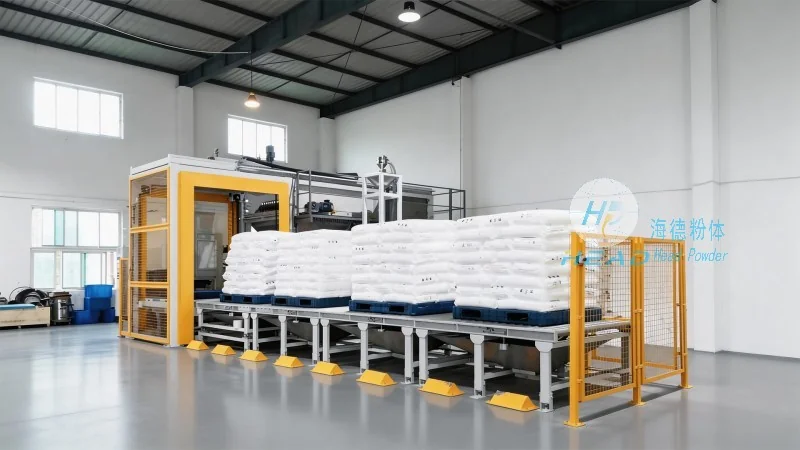
To maximize the service life of a dry ash pneumatic conveying system, operators should adhere to a structured maintenance program. Weekly inspections should focus on airlock valve clearances, pipe wall thickness at known wear points, and pressure readings at each segment. Monthly preventive tasks include cleaning filter elements, checking blow tank seals, and calibrating pressure switches. Quarterly, a full system performance test should measure actual conveying rate versus design capacity; a deviation of more than 10% may indicate partial blockage or air leakage. For dense phase systems, purging the pipeline after each batch prevents ash compaction in stagnant areas. Training of plant personnel is equally important—headpowder provides on-site commissioning support and digital manuals that detail troubleshooting for common issues like line slugging (increased back pressure) or vacuum drop (blocked filter). According to a 2025 industry white paper, facilities that implement predictive maintenance based on wear trend data achieve 30% lower total cost of ownership over a ten-year period compared to those relying on reactive repairs.
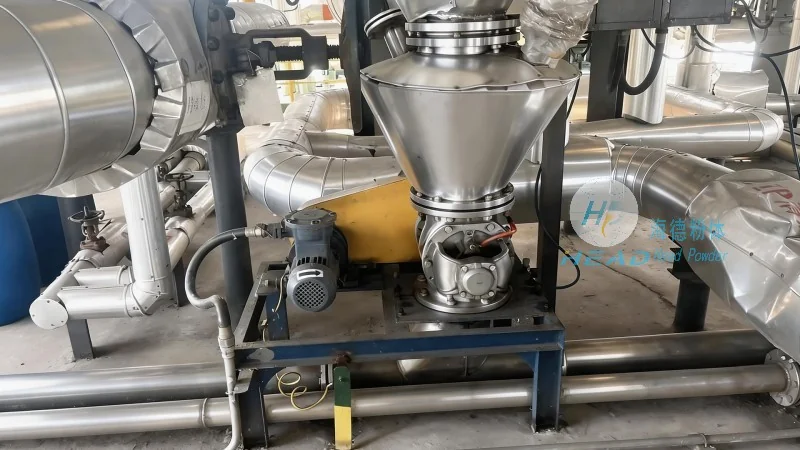
Looking ahead, several technology trends are shaping the next generation of dry ash conveying methods. The adoption of variable-speed drives for rotary feeders and blowers allows precise control of air velocities, reducing energy consumption by up to 35% in dilute phase systems. Smart sensors enabled by Industrial Internet of Things (IIoT) platforms provide continuous data on pipe wear, pressure profiles, and ash moisture, feeding into AI-driven optimization algorithms. For plants aiming to achieve net-zero emissions, closed-loop pneumatic systems that recirculate conveying air after filtration are gaining traction, cutting vent air volume by 80%. Additionally, modular skid-mounted conveying units are becoming popular for retrofit projects, minimizing site installation time. The regulatory push for tighter opacity limits (e.g., <5% opacity in the EU Industrial Emissions Directive) further favors fully enclosed pneumatic transport over open belt conveyors. As one of the few companies with in-house manufacturing of both pressure vessels and control systems, headpowder is well-positioned to deliver integrated solutions that meet these evolving standards. For more detailed technical consultation, please contact our engineering team at 156-6277-7102.
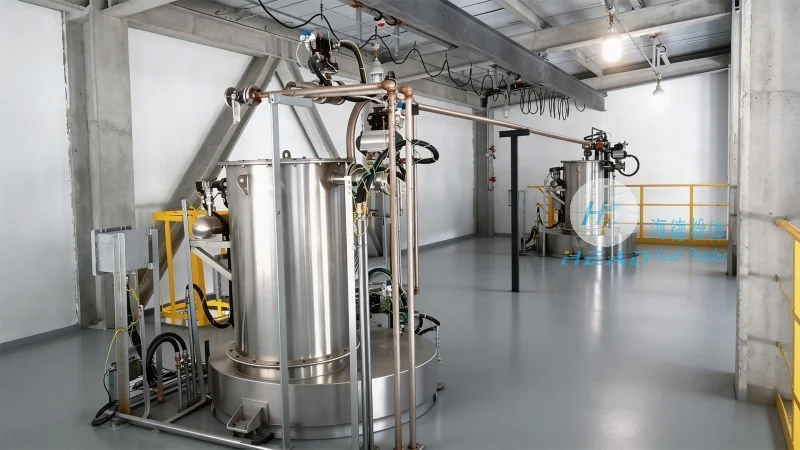
Effective dry ash conveying is not merely a matter of choosing between dilute phase and dense phase—it requires a holistic understanding of material behavior, plant layout, operational constraints, and long-term cost considerations. Each method offers unique trade-offs, and the optimal solution often combines multiple conveying modes within a single integrated system. By prioritizing robust component selection, intelligent control architecture, and proactive maintenance, industrial facilities can achieve reliable ash handling with minimal environmental impact. The technology landscape in 2026 continues to evolve toward greater automation, energy efficiency, and data-driven decision-making. Partnering with an experienced provider like headpowder ensures access to proven engineering expertise, custom-designed solutions, and field support that transforms theoretical knowledge into tangible operational results. Whether upgrading an existing fly ash system or designing a greenfield bottom ash conveyance network, professional guidance is available to align every detail with your performance targets. To schedule a preliminary system assessment or request a detailed proposal, use the contact information provided: 156-6277-7102. We look forward to supporting your facility's material handling excellence.

 Shandong headpowder Engineering Co., Ltd.
 156-6277-7102(Manager Zhang)
  0531-83386006
  Jinan City, Shandong Province, China
服务热线
微信咨询
回到顶部