News
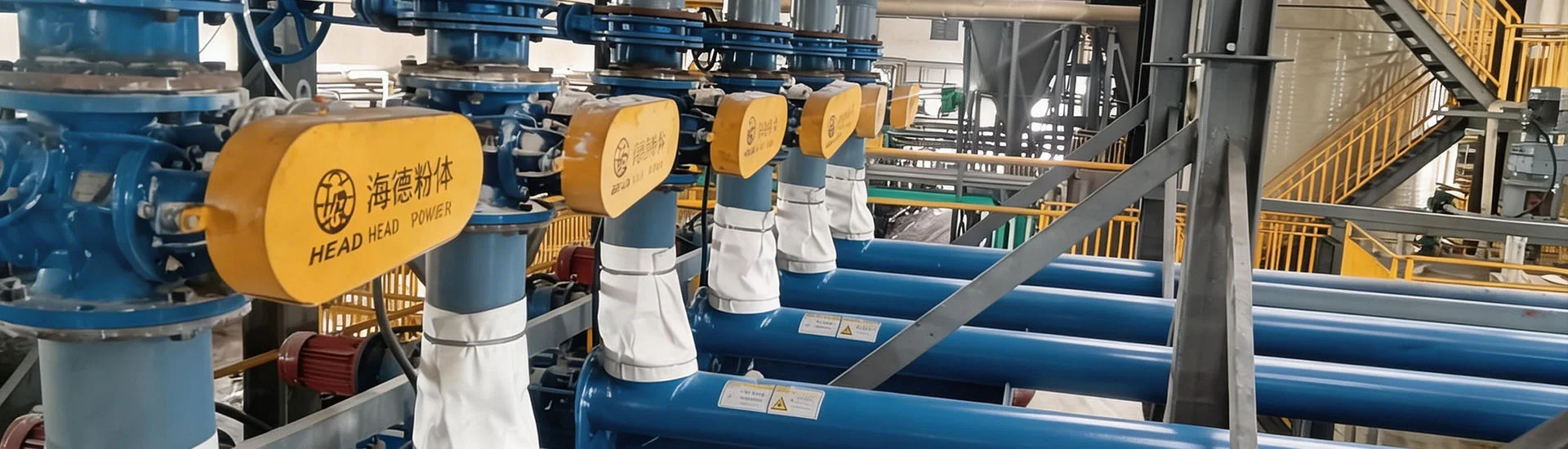
Rich project cases across industries, showing real implementation and proven technical strength.Aluminum ash, also known as dross or slag, is a byproduct generated during aluminum smelting, casting, and recycling processes. It typically contains metallic aluminum, aluminum oxide, and various flux residues. In 2026, global aluminum production is projected to exceed 70 million metric tons, with recycling rates rising above 40% in developed regions. This growth directly increases the volume of aluminum ash requiring efficient, safe, and cost-effective transport solutions. Traditional mechanical conveying methods—such as belt conveyors, screw conveyors, or bucket elevators—often struggle with aluminum ash due to its abrasive nature, high temperature (ranging from 200°C to 800°C depending on processing stage), and tendency to generate fine dust that poses explosion and health risks. Moreover, aluminum ash can react with moisture, releasing hydrogen gas and creating additional safety hazards. These characteristics make pneumatic conveying an increasingly preferred choice for aluminum ash handling in modern industrial environments.
The environmental regulatory landscape in 2026 is also tightening. The European Union’s revised Industrial Emissions Directive (IED) and China’s updated emission standards for non-ferrous metal smelting now mandate fugitive dust control and closed-loop material handling for aluminum secondary processing. Pneumatic conveying systems inherently seal the material flow, minimizing dust escape, reducing worker exposure, and complying with stringent emission limits. Additionally, energy recovery opportunities, such as using waste heat from hot ash to preheat conveying air, are gaining traction. For plant managers and engineers evaluating conveying technologies for new aluminum recycling lines or retrofitting existing facilities, understanding the fundamentals, selection parameters, and operational nuances of pneumatic conveying is critical to achieving reliability, safety, and long-term cost efficiency.
Pneumatic conveying uses air or inert gas as a carrier medium to transport bulk solids through a pipeline. For aluminum ash, two main modes are applicable: dilute-phase and dense-phase conveying. In dilute-phase systems, particles are suspended in a high-velocity air stream (typically 20–35 m/s), making them suitable for shorter distances and lower throughputs, especially when the ash is relatively cool and non-abrasive. However, dilute-phase can cause pipeline wear and particle degradation due to high velocities. Dense-phase conveying, operating at lower velocities (2–10 m/s) and higher pressures (up to 4 bar g), uses plug-flow or dune-flow mechanisms. This method significantly reduces abrasion and energy consumption while preserving the metallic aluminum content for further recovery. For hot aluminum ash (above 300°C), nitrogen or argon is often used as the conveying gas to prevent oxidation and combustion, an approach gaining adoption in 2026 due to stricter safety protocols.
Pressure-driven systems—positive pressure (blow pot or rotary valve) and vacuum (negative pressure)—offer distinct advantages. Positive pressure systems excel at transferring material from a single source to multiple destinations, ideal for distributing aluminum ash from a furnace to several storage silos or processing units. Vacuum systems are preferred when picking up material from multiple points, such as dust collectors or furnace tapping pits. Hybrid systems combining both are also deployed for large-scale integrated aluminum plants. The choice depends on factors like plant layout, conveying distance (typically 50–500 m for aluminum ash applications), and required capacity (from 5 to 100 t/h).
Designing a reliable pneumatic conveying system for aluminum ash requires careful specification of several core components. The air supply unit—whether a centrifugal fan, Roots blower, or screw compressor—must deliver clean, dry gas with appropriate pressure and volume. For dense-phase systems, a pressure vessel (blow pot) with a reliable discharge valve (e.g., dome valve or pinch valve) is essential to control material flow without leakage. Pipelines should be constructed from wear-resistant materials such as high-chrome steel or ceramic-lined pipe, especially at bends where impact and erosion are most severe. In 2026, industry standards like ISO 2324 and ASME B31.3 provide guidance on pipe thickness and joint integrity for abrasive solids. Separation equipment at the receiving end, typically a cyclone separator followed by a baghouse or cartridge filter, must achieve over 99.9% collection efficiency to meet emission limits below 10 mg/Nm³.
Key selection parameters include:
Operational data from real-world installations in 2025–2026 indicate that modern aluminum ash pneumatic systems achieve uptime exceeding 98% when correctly sized, with maintenance intervals of 6–12 months depending on ash abrasiveness.
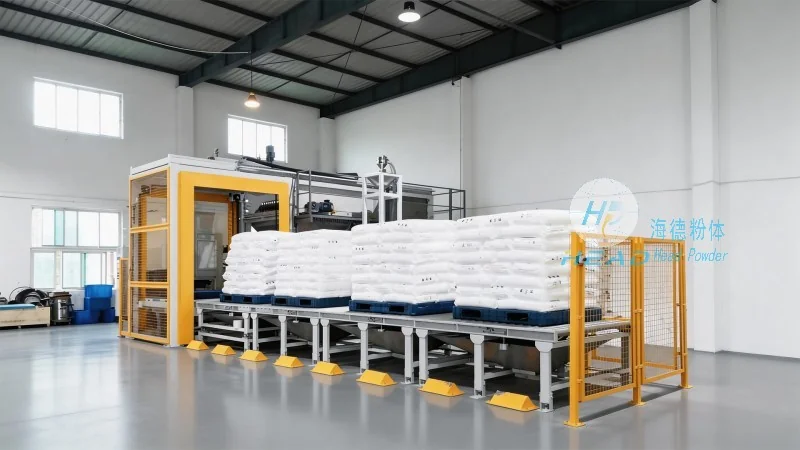
Over the past decade, headpowder has engineered and commissioned numerous pneumatic conveying systems for aluminum ash handling across primary smelters and secondary recyclers in Asia, Europe, and North America. One notable project involved a 30 t/h dense-phase system for a large aluminum recycling facility in the Middle East, where hot ash (350–450°C) from Tilting Rotary Furnaces was transferred over 200 meters to a thermal recovery unit. The system employed nitrogen as carrier gas, double-walled ceramic-lined pipes, and automated blow pot control with real-time pressure monitoring. Post-installation data showed a 15% reduction in maintenance costs compared to the previous mechanical conveyor, along with a 22% decrease in fugitive dust emissions. Another installation at a European extrusion plant used a custom dilute-phase vacuum system to collect cold ash from multiple sawing and deburring stations, achieving seamless integration with existing housekeeping dust collectors.
These practical examples highlight that successful aluminum ash conveying depends less on theoretical perfection and more on finesse in component matching, control logic, and material characterization. headpowder leverages in-house test facilities capable of handling up to 5 tons of sample ash, allowing clients to validate conveying parameters before committing to full-scale equipment. This reduces commissioning risks and ensures that the system performs within 5% of predicted capacity. Furthermore, ongoing support includes vibration analysis of fans and blowers, pipe thickness ultrasonic scanning, and remote diagnostics via IoT sensors—capabilities that have become standard in 2026 for proactive maintenance.
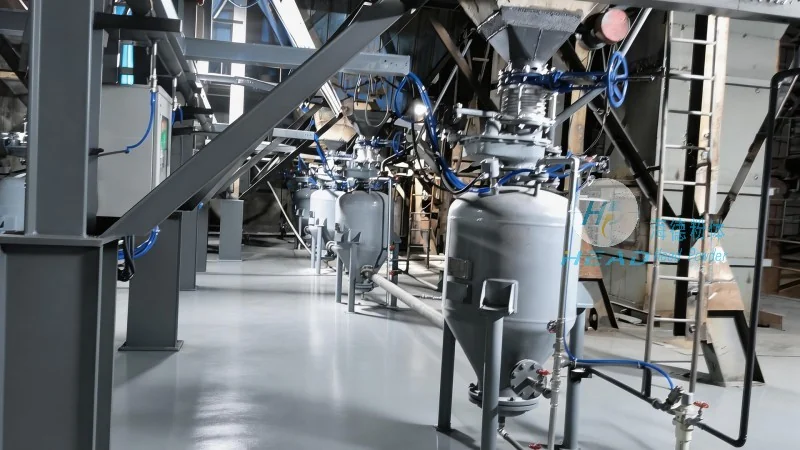
Looking ahead, three major trends are shaping the aluminum ash pneumatic conveying landscape. First, intelligent control systems using machine learning algorithms now predict optimal conveying velocities and blow pot cycle times based on real-time ash characteristics (moisture, temperature, particle size). Early adopters report 8–12% energy savings and reduced line blockages. Second, circular economy pressures are driving the integration of ash conveying with downstream metal recovery and salt cake recycling processes. Conveying systems are being designed to handle not just raw ash but also processed fractions, such as fine oxide powders for use in refractories or chemical industries. Third, modular and containerized pneumatic units are gaining popularity for small and medium recyclers who need flexible, relocatable solutions. These units come pre-tested and can be commissioned within two weeks, significantly shortening project timelines.
Regulatory updates also influence design choices. The 2026 revision of the Globally Harmonized System (GHS) for aluminum dust hazards now classifies very fine aluminum ash particles as Category 1 combustible dust, necessitating explosion protection measures such as venting, suppression, and isolation. Pneumatic systems with inert gas blanketing and grounding bonds are emerging as the norm. Additionally, carbon footprint reporting requirements in the EU and US are pushing plant operators to quantify Scope 1 and Scope 2 emissions from conveying operations. Using energy-efficient compressors and variable frequency drives can reduce electricity consumption by up to 30%, directly contributing to sustainability targets.
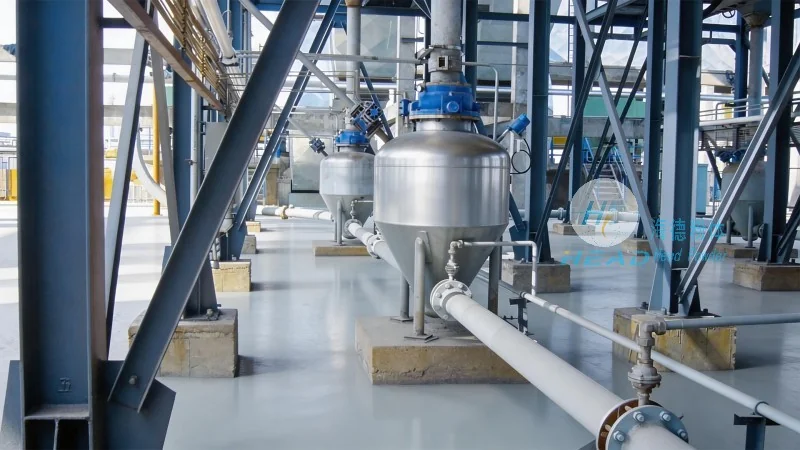
Choosing the right technology and partner for aluminum ash pneumatic conveying is a strategic decision that impacts plant safety, operational efficiency, and regulatory compliance. In 2026, the industry is moving away from generic solutions toward highly customized designs that account for site-specific variables such as ash chemistry, ambient conditions, and existing infrastructure. Engineers should request detailed computational fluid dynamics (CFD) simulations and wear-life projections before finalizing a system. Field testing with representative samples remains the gold standard for de-risking investments. It is also wise to evaluate after-sales capabilities, including remote monitoring, spare parts availability, and local service teams, as downtime in aluminum processing can cost thousands of dollars per hour.
headpowder brings over 15 years of dedicated experience in pneumatic conveying for challenging bulk solids, with a particular focus on aluminum ash. Our engineers continuously update design methodologies based on the latest research and field data, ensuring that each system meets or exceeds performance expectations. We offer comprehensive documentation, including 3D plant layout integration, O&M manuals, and training for plant personnel. For a detailed consultation on your aluminum ash conveying requirements, we welcome you to reach out. (咨询热线:156-6277-7102) Whether you are planning a new greenfield facility or optimizing an existing line, our team is prepared to deliver a solution that balances capital cost, energy efficiency, and long-term reliability.

 Shandong headpowder Engineering Co., Ltd.
 156-6277-7102(Manager Zhang)
  0531-83386006
  Jinan City, Shandong Province, China
服务热线
微信咨询
回到顶部