

What is a Fly Ash Material Pneumatic Conveying System? And What Are Its Design Principles?
For industrial facilities dealing with fly ash, the efficient and reliable transport of this material is crucial. A fly ash material pneumatic conveying system is a specialized equipment solution designed to handle the transportation of fly ash from one location to another within a facility or between different facilities. This system utilizes the principles of pneumatic conveying, which involves the use of air or other gases to move bulk materials through a pipeline network.
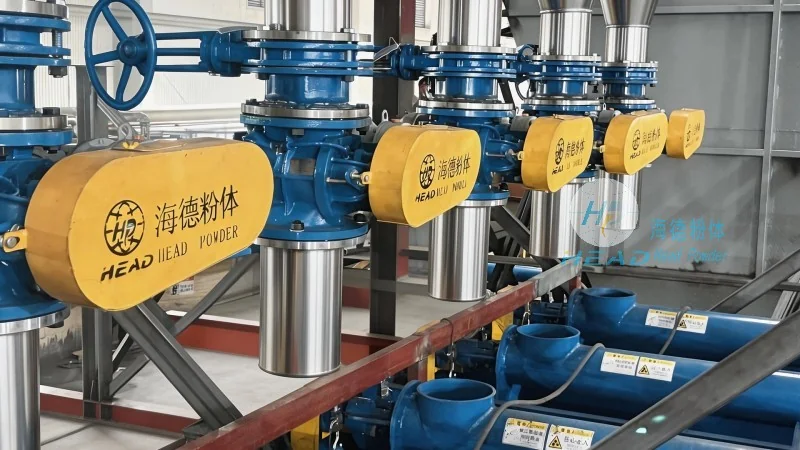
Understanding the Core Function of Fly Ash Pneumatic Conveying Systems
At its core, a fly ash material pneumatic conveying system is engineered to transport fly ash, a byproduct of coal combustion, from sources such as boilers or storage silos to disposal sites or processing units. The system typically consists of components like a hopper for material storage, a feeder to control the flow rate, a conveying line (often made of metal or plastic pipes), and a receiver for the material at the destination. The operation relies on creating a pressure differential within the system, either by using a positive pressure blower or a vacuum pump, to move the fly ash through the pipeline.
Introducing Shandong HeadPowder Engineering Co., Ltd.
As a leading provider in the field, Shandong HeadPowder Engineering Co., Ltd. specializes in the design, manufacturing, and installation of advanced pneumatic conveying systems tailored for fly ash handling. With years of experience in the industry, the company has developed a reputation for delivering high-quality solutions that meet the specific needs of clients in power plants, cement factories, and other industrial sectors. The company’s headquarters is located in Shandong, China, where it leverages local expertise and resources to support its global clientele.
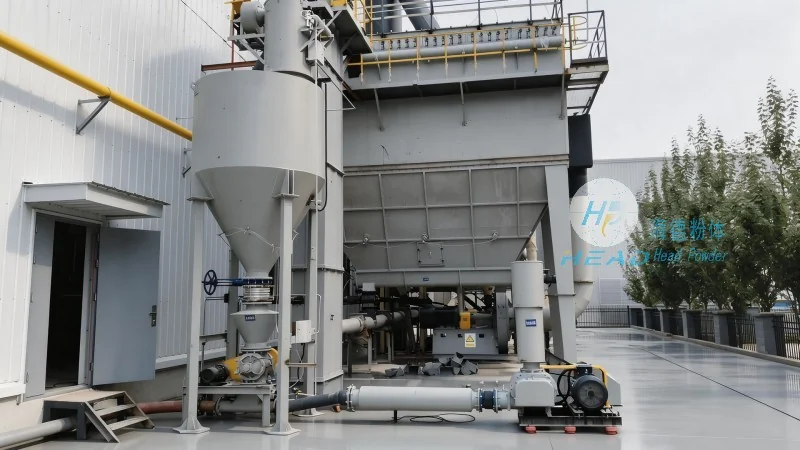
Key Design Principles of Fly Ash Pneumatic Conveying Systems
The design of a fly ash material pneumatic conveying system is based on several critical principles to ensure efficient and safe operation. First, the system must be capable of handling the abrasive and potentially corrosive nature of fly ash. This often involves using materials like stainless steel or special coatings for the conveying pipes and components to prevent wear and degradation over time. Second, the system’s capacity and pressure requirements must be carefully calculated based on the flow rate of fly ash and the distance it needs to be transported. This involves selecting appropriate air velocities and pressure levels to maintain the material in a suspended state within the pipeline, preventing blockages and ensuring smooth transport.
Components and Their Roles in the System
Each component of a fly ash pneumatic conveying system plays a vital role in the overall operation. The hopper serves as the initial storage container, allowing for the accumulation of fly ash before it is fed into the system. The feeder, often a rotary valve or a screw feeder, controls the rate at which material is introduced into the conveying line, ensuring a consistent flow. The conveying line itself is the main pathway for the material, and its diameter and length are critical factors that affect the system’s performance. The receiver at the end of the line collects the fly ash and may include features like a dust collection system to prevent emissions and maintain environmental compliance. Additionally, the system may include filters and cyclones to separate any fine particles from the air before it is released, ensuring that the operation is both efficient and environmentally friendly.
Advantages of Using Pneumatic Conveying for Fly Ash Transport
Compared to traditional methods like belt conveyors or truck transport, pneumatic conveying offers several advantages for fly ash handling. One of the primary benefits is the ability to transport fly ash in a closed system, which reduces dust emissions and improves safety in the workplace. This is particularly important in environments where dust can be a health hazard or cause environmental pollution. Another advantage is the flexibility of the system, as it can be easily reconfigured to accommodate changes in the layout of the facility or to transport material to different destinations. Additionally, pneumatic conveying systems can handle a wide range of flow rates and distances, making them suitable for both small-scale and large-scale applications.
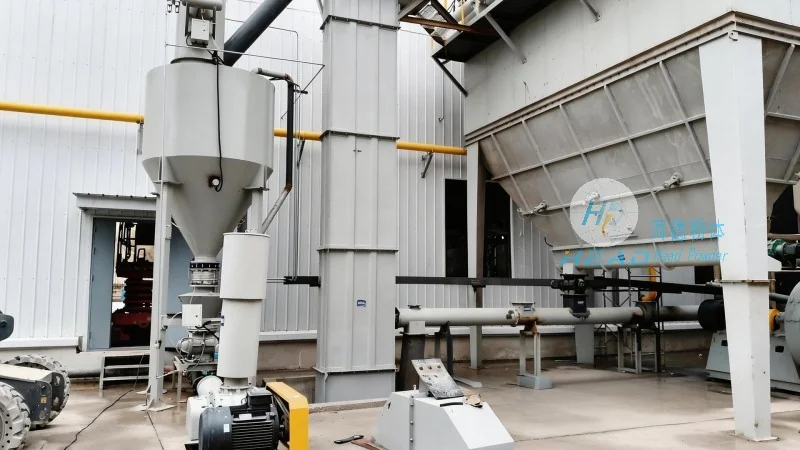
Considerations for System Design and Installation
When designing and installing a fly ash material pneumatic conveying system, several factors must be considered to ensure optimal performance and longevity. First, the system must be designed to handle the specific characteristics of the fly ash, including its particle size distribution, moisture content, and density. These factors affect the air velocity and pressure required for effective transport. Second, the system must be equipped with appropriate safety features, such as pressure relief valves and emergency shut-off mechanisms, to prevent accidents and protect personnel. Third, the installation must be carried out by qualified professionals who have experience with pneumatic conveying systems, ensuring that all components are properly aligned and connected to avoid leaks or malfunctions.
Conclusion: The Importance of Reliable Fly Ash Pneumatic Conveying Systems
In conclusion, a fly ash material pneumatic conveying system is a critical piece of equipment for industrial facilities that generate fly ash. By utilizing the principles of pneumatic conveying, these systems provide an efficient, safe, and environmentally friendly method for transporting fly ash. With the expertise of companies like Shandong HeadPowder Engineering Co., Ltd., facilities can ensure that their fly ash handling operations are optimized for performance and compliance. As the demand for sustainable and efficient industrial processes continues to grow, the importance of reliable pneumatic conveying systems in fly ash management will only increase.