

What is a Small Bag Material Pneumatic Conveying System? And What Are Its Design Principles?
For industrial operations dealing with small bag materials, efficient and reliable material handling is crucial. A small bag material pneumatic conveying system offers a solution that streamlines the process of transporting bulk materials from one location to another. This article explores the concept of such a system and delves into its design principles, providing insights into how it functions and its applications in various industries.
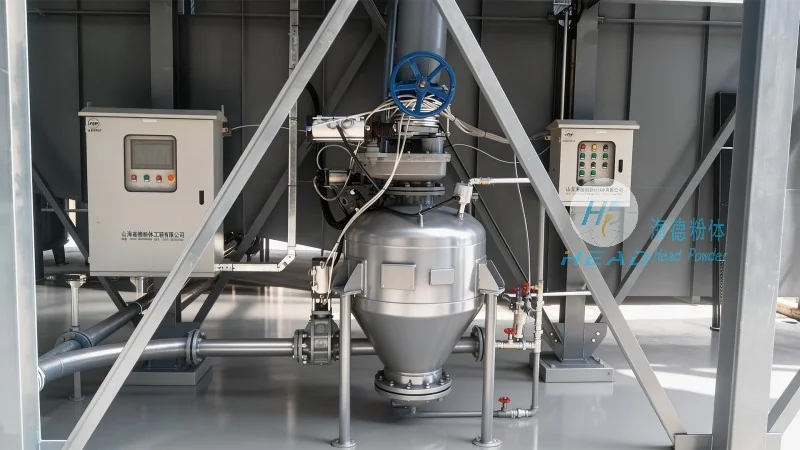
Understanding Small Bag Material Pneumatic Conveying Systems
At its core, a small bag material pneumatic conveying system is a method of transporting bulk materials using air or gas as the conveying medium. Unlike traditional mechanical systems that rely on belts, screws, or buckets, pneumatic systems utilize the force of compressed air to move materials through a pipeline. This approach is particularly advantageous for materials that are difficult to handle mechanically, such as powders, granules, or fine particles.
The system typically consists of several key components, including a hopper for material storage, a feeder to control the flow of material, a compressor to generate the air pressure, and a pipeline network to transport the material. The design of each component plays a critical role in ensuring the system operates efficiently and safely. For instance, the hopper must be designed to prevent material bridging or caking, which can disrupt the flow. The feeder must be capable of maintaining a consistent flow rate, while the compressor must provide sufficient pressure to overcome resistance in the pipeline.
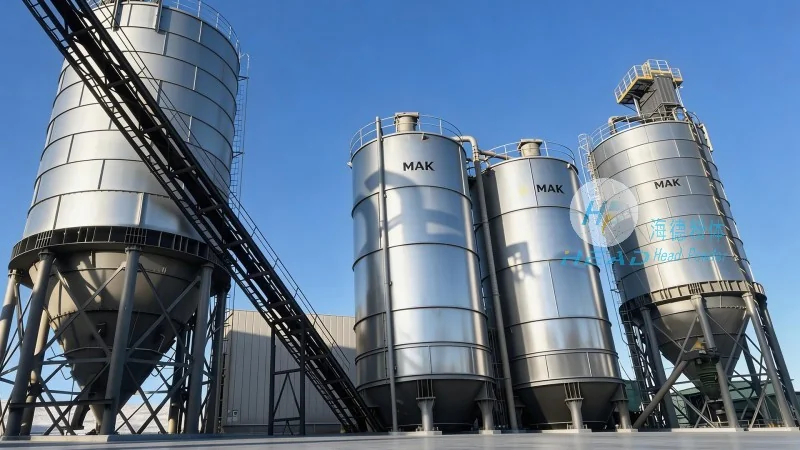
Design Principles of Pneumatic Conveying Systems
The design of a small bag material pneumatic conveying system is governed by several fundamental principles that ensure optimal performance. These principles include maintaining the correct air-to-material ratio, ensuring adequate pressure and flow rates, and minimizing energy consumption. The air-to-material ratio is a critical parameter that determines the efficiency of the system. An optimal ratio ensures that the material is fully suspended in the air stream, preventing blockages and ensuring smooth transport. The pressure and flow rates are also crucial, as they must be sufficient to overcome the resistance in the pipeline and maintain the material in a suspended state.
Another important design principle is the selection of the appropriate pipeline diameter and material. The diameter of the pipeline must be chosen based on the size and density of the material being conveyed. A larger diameter may be required for materials with higher density or larger particle sizes to prevent excessive pressure drop and ensure smooth flow. The material of the pipeline, such as stainless steel or plastic, must be selected to withstand the corrosive or abrasive nature of the conveyed material and to maintain hygiene standards, especially in industries like food or pharmaceuticals.
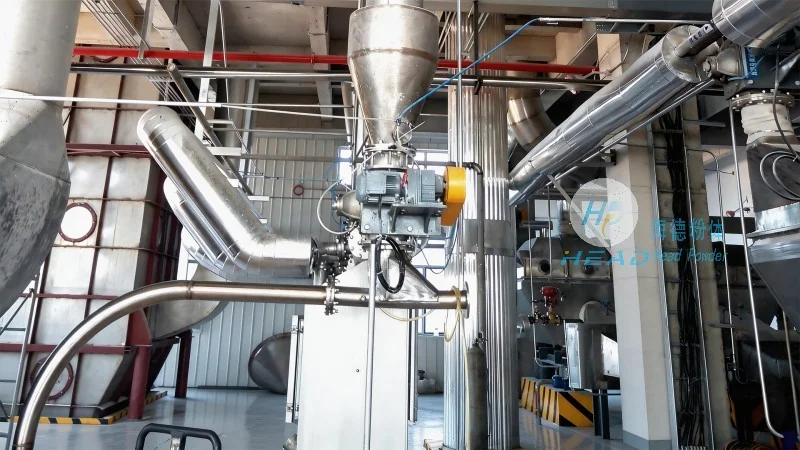
Applications and Benefits
Small bag material pneumatic conveying systems find applications in a wide range of industries, including food processing, pharmaceuticals, chemicals, and minerals. In the food industry, for example, these systems are used to transport ingredients like flour, sugar, or spices from storage to processing equipment. In pharmaceuticals, they are employed to handle active pharmaceutical ingredients (APIs) and other fine powders, ensuring contamination-free transport. The benefits of using such systems include improved safety, as there are no moving parts in direct contact with the material, reduced labor costs due to automated operation, and enhanced product quality due to minimal exposure to air and moisture.
Additionally, pneumatic conveying systems offer flexibility in terms of layout and integration with existing facilities. They can be designed to handle both horizontal and vertical transport, allowing for complex material flow paths. This flexibility makes them suitable for plants with limited space or where the material needs to be transported over long distances. The systems also provide a clean and hygienic environment, which is essential in industries where product purity is paramount.
Company Overview: Shandong HeadPowder Engineering Co., Ltd.
Shandong HeadPowder Engineering Co., Ltd., a leading provider of material handling solutions, specializes in designing and manufacturing small bag material pneumatic conveying systems tailored to the specific needs of various industries. With years of experience and a commitment to quality, the company has established itself as a trusted partner for businesses seeking reliable and efficient material transport solutions. HeadPowder's expertise lies in understanding the unique challenges of each industry and developing customized systems that meet both operational and regulatory requirements.
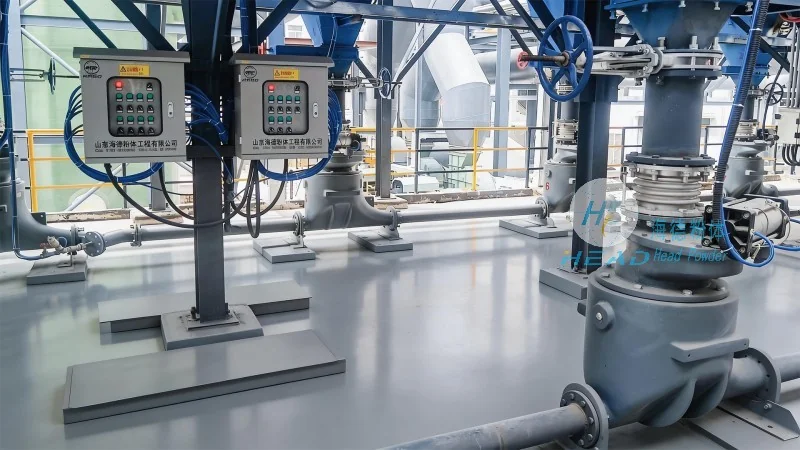
HeadPowder's team of engineers and technicians works closely with clients to assess their material handling needs, from initial consultation to system installation and maintenance. The company's state-of-the-art manufacturing facilities ensure that each system is built to the highest standards, using premium materials and advanced technology. By leveraging their deep industry knowledge and customer-centric approach, HeadPowder delivers solutions that enhance productivity, reduce downtime, and improve overall operational efficiency.
Headquartered in Shandong, China, HeadPowder serves clients both domestically and internationally, providing comprehensive support throughout the lifecycle of the system. The company's dedication to innovation and customer satisfaction has earned it a reputation for excellence in the material handling industry. Whether it's a new installation or an upgrade to an existing system, HeadPowder is committed to delivering solutions that meet the evolving needs of modern industrial operations.