

Working Principle and Features of Desulfurization Gypsum Powder Pneumatic Conveying Equipment
Desulfurization gypsum, a byproduct of flue gas desulfurization in thermal power plants and other industrial facilities, is a valuable material used in construction, agriculture, and other sectors. The efficient and reliable transportation of this fine powder is crucial for optimizing production processes and ensuring product quality. This article explores the working principle and key features of desulfurization gypsum powder pneumatic conveying equipment, highlighting how such systems enhance operational efficiency and safety in industrial applications.
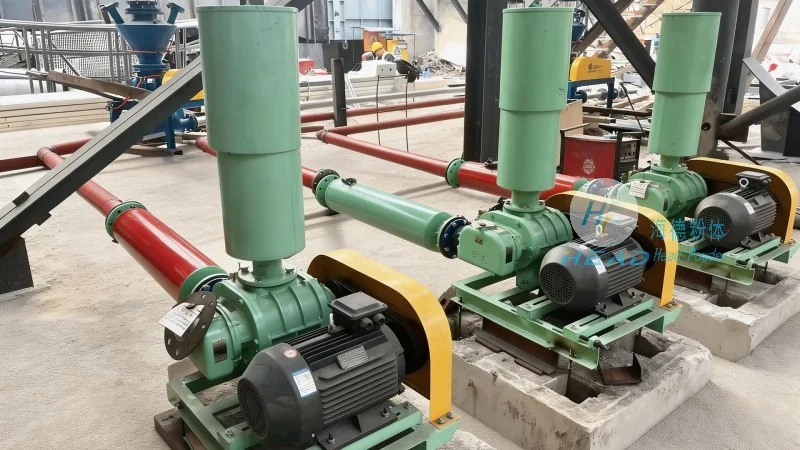
Overview of Desulfurization Gypsum Powder Pneumatic Conveying Systems
Pneumatic conveying systems are widely used for transporting bulk materials like desulfurization gypsum, which are often in the form of fine powders. These systems utilize air or gas as the conveying medium to move the material from one location to another. The equipment typically consists of a feeding unit, a conveying line, a separation or collection system, and a control unit. The design of these systems is tailored to handle the specific properties of desulfurization gypsum, including its fineness, moisture content, and potential reactivity.
Working Principle of Desulfurization Gypsum Powder Pneumatic Conveying Equipment
The core working principle of pneumatic conveying for desulfurization gypsum involves creating a pressure differential or using suction to move the powder through a pipeline. There are two main types of pneumatic conveying systems: pressure and vacuum. In pressure systems, a positive pressure is generated at the inlet of the conveying line, pushing the material forward. In vacuum systems, a negative pressure is created at the discharge end, drawing the material into the line. For desulfurization gypsum, which is often handled in large quantities and requires gentle handling to prevent agglomeration or degradation, pressure systems are commonly preferred due to their ability to maintain consistent flow rates and minimize material degradation.
Key components of the system include a rotary valve or feeder that meters the gypsum powder into the conveying line, a compressor or blower that provides the necessary air pressure, and a pipeline network that transports the material. The conveying line is usually made of materials resistant to corrosion and abrasion, such as stainless steel or special plastic composites, to withstand the chemical and physical properties of the gypsum. At the receiving end, a cyclone separator or filter is used to separate the gypsum powder from the air stream, allowing the powder to be collected in a storage bin or processing unit. The air, now clean, is either vented to the atmosphere or recirculated through the system to improve energy efficiency.
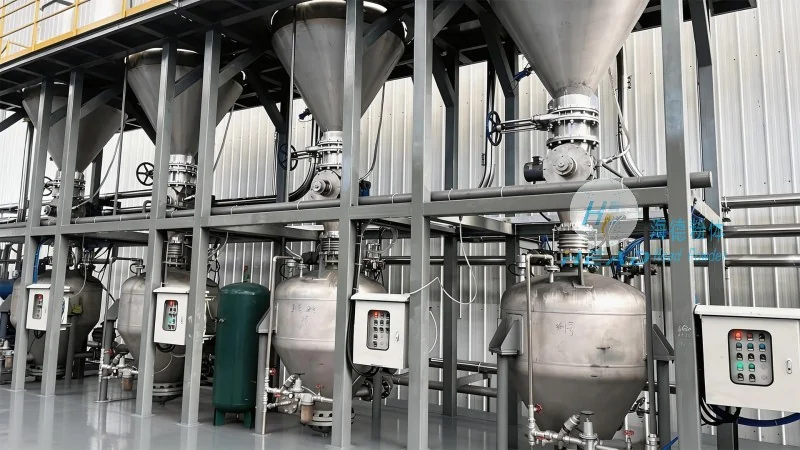
Key Features and Advantages of Desulfurization Gypsum Powder Pneumatic Conveying Equipment
The desulfurization gypsum powder pneumatic conveying equipment from Shandong HeadPowder Engineering Co., Ltd. (headpowder) is designed with several key features that enhance performance and reliability. One of the primary features is the use of advanced control systems that monitor and adjust the air pressure, flow rate, and material feed rate in real-time. This ensures consistent and stable conveying performance, even with varying material conditions or system loads. The equipment also incorporates high-quality materials and components, such as wear-resistant liners and corrosion-resistant pipelines, to extend the service life and reduce maintenance costs.
Another important feature is the system's ability to handle fine powders without causing excessive pressure drops or material degradation. The design of the conveying line and the selection of the air velocity are optimized to minimize particle attrition and agglomeration, which can affect the quality of the gypsum product. Additionally, the equipment is equipped with safety features, including pressure relief valves and dust collection systems, to prevent accidents and ensure compliance with environmental regulations. The compact and modular design of the system allows for easy installation and integration into existing industrial facilities, reducing downtime and installation costs.
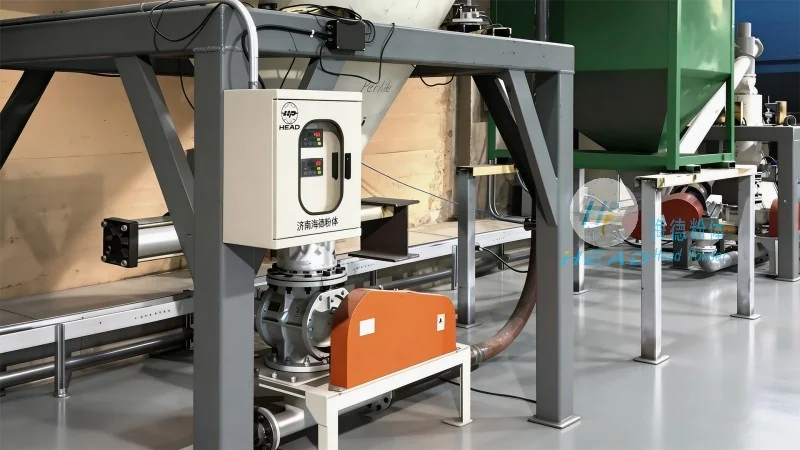
Operational Benefits and Applications
The implementation of desulfurization gypsum powder pneumatic conveying equipment offers several operational benefits for industrial facilities. By automating the material handling process, the system reduces the need for manual labor, minimizing human error and improving workplace safety. The consistent and reliable flow of gypsum powder ensures that downstream processes, such as gypsum board production or agricultural use, receive a uniform material quality, leading to higher product yields and better quality control. Furthermore, the energy-efficient design of the system, with options for air recirculation and optimized pressure control, reduces operational costs and environmental impact.
These conveying systems are widely used in various industries, including power generation, construction materials, and agriculture. In power plants, the equipment efficiently transports desulfurization gypsum from the flue gas desulfurization units to storage or processing facilities. In the construction industry, the system delivers gypsum powder to manufacturing plants for the production of gypsum boards, plaster, and other building materials. In agricultural applications, the equipment is used to transport gypsum for soil conditioning and fertilization, improving soil structure and nutrient availability.
Conclusion
Desulfurization gypsum powder pneumatic conveying equipment is a critical component in the efficient handling and utilization of this valuable industrial byproduct. The working principle, which relies on pneumatic transport through a controlled system, ensures the safe and reliable movement of fine powders. The key features of such equipment, including advanced control systems, durable materials, and safety features, enhance operational performance and longevity. By implementing these systems, industrial facilities can optimize their production processes, improve product quality, and reduce operational costs. As a leading manufacturer, Shandong HeadPowder Engineering Co., Ltd. provides high-quality pneumatic conveying solutions tailored to the specific needs of desulfurization gypsum handling, contributing to sustainable and efficient industrial operations.