

Working Principle and Features of Sodium Bicarbonate Powder Pneumatic Conveying Equipment
Sodium bicarbonate, commonly known as baking soda, is a widely used chemical in various industries, including food processing, pharmaceuticals, and chemical manufacturing. The efficient and reliable transportation of sodium bicarbonate powder from one location to another is crucial for maintaining production efficiency and product quality. Pneumatic conveying systems have emerged as a preferred solution for handling this fine powder due to their ability to transport materials in a dust-free environment and with minimal product degradation. This article delves into the working principle and key features of sodium bicarbonate powder pneumatic conveying equipment, highlighting how such systems enhance operational performance in industrial settings.
Company Overview: HeadPowder
Shandong HeadPowder Engineering Co., Ltd., operating under the brand name HeadPowder, is a leading manufacturer specializing in the design, development, and supply of advanced material handling equipment. With a strong commitment to innovation and quality, HeadPowder has established itself as a trusted partner for industries requiring reliable solutions for powder and bulk material transportation. The company’s headquarters is located in Shandong, China, where it leverages local expertise and resources to deliver cutting-edge pneumatic conveying systems tailored to the specific needs of clients worldwide.
The Working Principle of Sodium Bicarbonate Powder Pneumatic Conveying Equipment
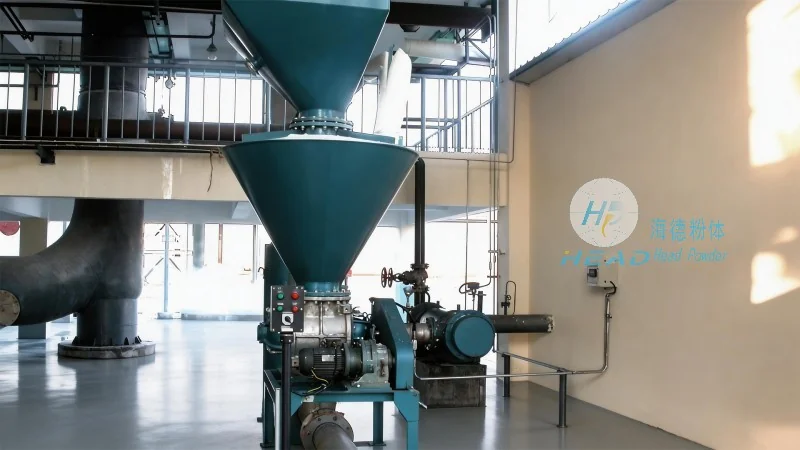
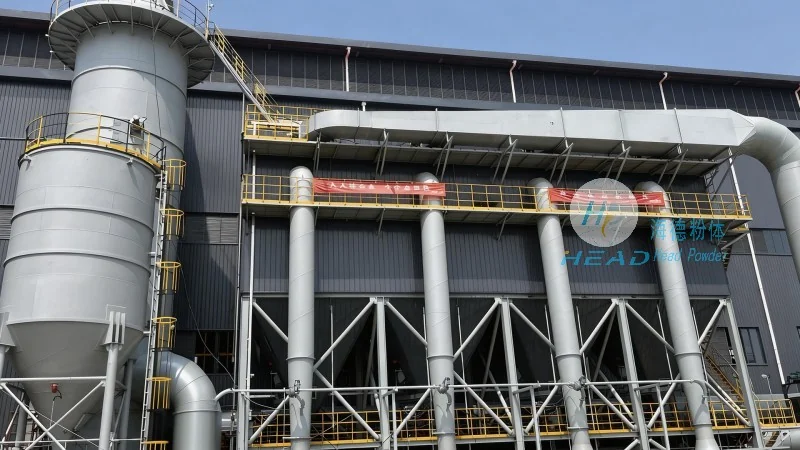
Pneumatic conveying systems utilize air or gas to transport solid materials, such as sodium bicarbonate powder, through a network of pipes. The process typically involves several key steps that ensure efficient and controlled movement of the material. First, the sodium bicarbonate powder is fed into the system via a hopper or feeder, which maintains a consistent flow rate. Next, a blower or compressor generates the necessary air pressure to create a flow of air within the pipeline. This airflow then carries the powder particles forward, transporting them from the source to the destination. The system may include components like cyclones or filters to separate the powder from the air at the receiving end, ensuring that the material is deposited accurately and without contamination. The entire process is automated and can be controlled remotely, allowing for precise regulation of the conveying rate and pressure.
Key Features of the Equipment
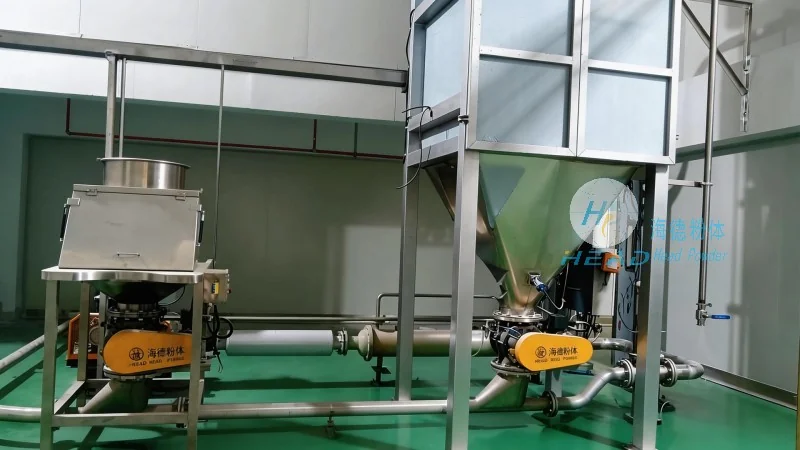
The sodium bicarbonate powder pneumatic conveying equipment from HeadPowder is designed with several notable features that enhance its performance and usability. One of the primary advantages is its ability to handle fine powders without causing agglomeration or caking, which is critical for maintaining the quality of sodium bicarbonate. The system is equipped with advanced control mechanisms that optimize air flow and pressure, ensuring consistent and reliable transportation. Additionally, the equipment is constructed from high-quality materials that are resistant to corrosion and wear, making it suitable for long-term operation in industrial environments. The dust-free operation of the system minimizes the risk of product contamination and reduces the need for extensive cleaning, contributing to overall operational efficiency. Another key feature is the flexibility of the system, which can be customized to accommodate different production scales and application requirements, from small-scale laboratory use to large-scale industrial production.
Applications and Benefits
Sodium bicarbonate powder pneumatic conveying equipment is widely used in various industries where the transportation of fine powders is essential. In the food industry, for example, the equipment is used to transport baking soda to production lines, ensuring that the powder is delivered in a clean and hygienic manner. In pharmaceutical manufacturing, the system helps maintain the purity of the material, preventing cross-contamination and ensuring compliance with regulatory standards. The equipment also finds applications in chemical processing, where it is used to transport sodium bicarbonate for use in various chemical reactions. The benefits of using such equipment include improved production efficiency, reduced labor costs, and enhanced product quality. By eliminating the need for manual handling and traditional conveying methods, the system minimizes the risk of product damage and reduces the likelihood of accidents in the workplace.
Conclusion
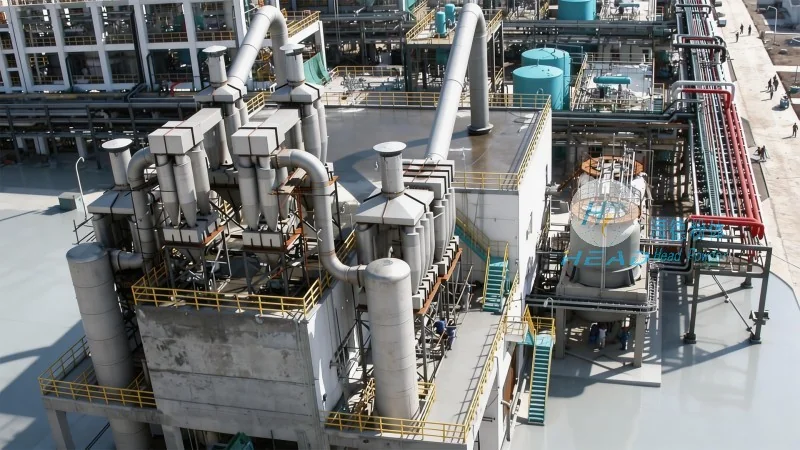
In conclusion, sodium bicarbonate powder pneumatic conveying equipment from HeadPowder offers a reliable and efficient solution for the transportation of fine powders in industrial settings. The working principle, which relies on air or gas to move the material through a pipeline, ensures that the powder is handled with minimal degradation and contamination. The key features of the equipment, including its ability to handle fine powders, advanced control mechanisms, and durable construction, make it an ideal choice for various applications. With its headquarters in Shandong, China, HeadPowder continues to innovate and provide high-quality pneumatic conveying systems that meet the evolving needs of industries worldwide. By investing in such equipment, companies can enhance their operational performance, improve product quality, and achieve greater efficiency in their production processes.