

Working Principle and Features of Boron Nitride Powder Pneumatic Conveying Equipment
Boron nitride (BN) is a critical material in modern industries, valued for its exceptional thermal stability, electrical insulation, and lubricating properties. Handling this fine powder requires specialized equipment to maintain its quality and ensure efficient production. Pneumatic conveying systems have become the preferred method for transporting boron nitride powder due to their ability to handle fine, abrasive materials while minimizing contamination and energy loss. This article delves into the working principle and key features of boron nitride powder pneumatic conveying equipment, highlighting its role in modern material processing.
The Working Principle of Pneumatic Conveying Systems
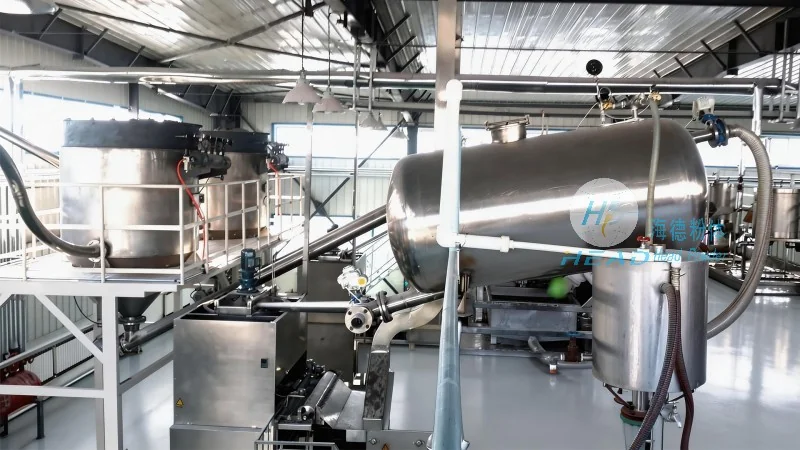
Pneumatic conveying equipment operates by using compressed air or gas to transport solid particles through a pipeline. The system typically follows one of two primary modes: suction (or aspirating) and pressure (or blow) systems. In a suction system, a vacuum is created at the material inlet, drawing the BN powder into the pipeline. This method is ideal for short distances and low-volume applications. Conversely, a pressure system uses compressed air to push the powder forward, making it suitable for longer distances and higher volumes. For boron nitride powder, which is often fine and cohesive, the choice of system depends on factors like the required flow rate, distance to be conveyed, and the need for gentle handling.
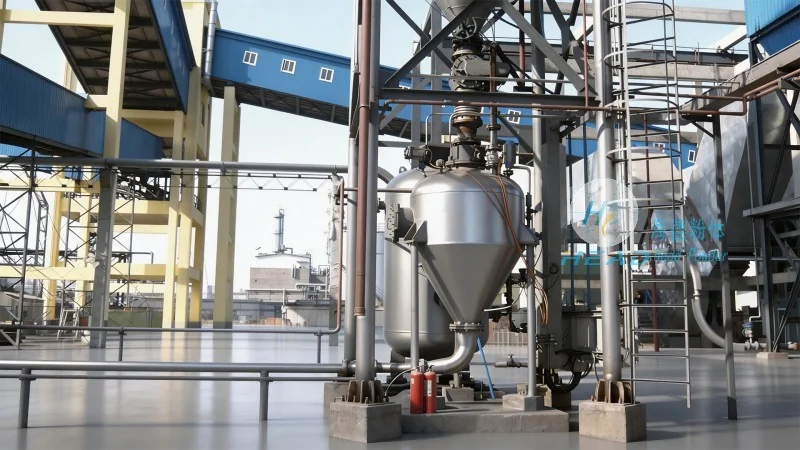
The core components of a pneumatic conveying system include the material feed hopper, rotary valve or feeder, conveying line, and discharge receiver. The feed hopper holds the BN powder and regulates its flow into the system, preventing overloading and ensuring consistent material input. The rotary valve acts as a gate, controlling the amount of powder entering the pipeline and preventing backflow. The conveying line, usually made of stainless steel or corrosion-resistant materials, is designed to withstand the abrasive nature of BN powder. At the discharge end, the receiver collects the material, often equipped with a filter to separate air from the powder and prevent dust emissions.
Key Features and Advantages of Boron Nitride Powder Pneumatic Conveying Equipment
Pneumatic conveying systems offer several advantages over traditional mechanical methods when handling boron nitride powder. Firstly, they provide a closed-loop system, which significantly reduces dust contamination and exposure risks, enhancing workplace safety. This is crucial for BN powder, as inhalation of fine particles can pose health hazards. Secondly, the high air velocity in the pipeline ensures efficient transport of large volumes of powder over considerable distances with minimal energy consumption. The system's flexibility allows for multiple discharge points, making it adaptable to complex production layouts and enabling parallel processing.
Another notable feature is the ability to handle fine and cohesive powders without the need for additional additives or conditioning. Boron nitride powder often tends to agglomerate, but the high velocity breaks up these clusters, maintaining a uniform flow. This prevents clogging and ensures consistent material delivery to downstream processes. Furthermore, the system can be integrated with dust collection and filtration systems, reducing environmental impact and ensuring compliance with industrial regulations. The compact design of modern pneumatic conveying equipment also saves valuable floor space in production facilities, making it suitable for applications where space is limited.
Application-Specific Considerations for BN Powder Handling
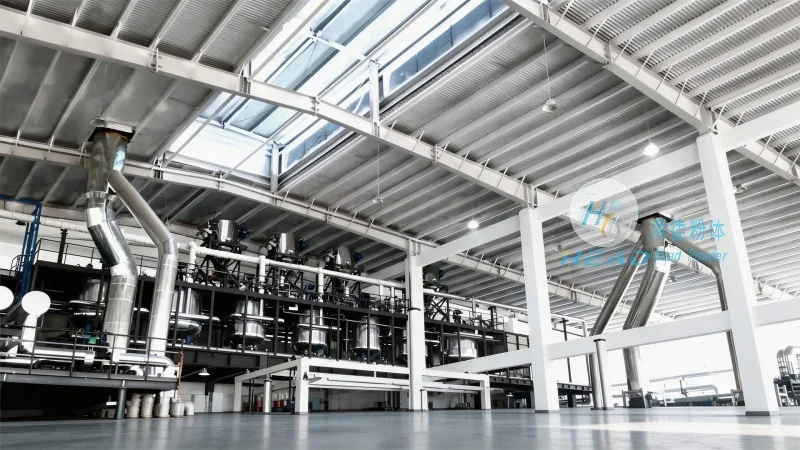
When selecting a pneumatic conveying system for boron nitride powder, several factors must be carefully considered to optimize performance and longevity. The particle size distribution of the BN powder is a critical factor, as finer particles require higher air velocities to maintain flow and prevent settling. The system's capacity must be matched to the production rate to avoid overloading, which can lead to inefficiencies or blockages. Additionally, the system should be designed to handle the specific properties of BN powder, such as its thermal stability and potential reactivity with certain materials. For instance, some systems may use heated air to prevent caking or condensation, which could alter the material's properties.

Maintenance is a key aspect of ensuring the system's reliability. BN powder is abrasive and can cause wear on components like valves and pipelines. Regular inspection and replacement of wear parts are essential to maintain efficiency and prevent breakdowns. The choice of materials for the conveying line and components is also important, as BN powder can be corrosive to certain metals. Stainless steel or specialized coatings are commonly used to prevent degradation and extend the equipment's lifespan.
About Shandong HeadPowder Engineering Co., Ltd.
HeadPowder, a renowned manufacturer of pneumatic conveying equipment, specializes in providing tailored solutions for handling fine powders like boron nitride. With decades of experience in the industry, the company understands the unique challenges of processing BN powder and has developed advanced systems to address them. HeadPowder's equipment is engineered for durability, efficiency, and safety, ensuring reliable performance in demanding industrial environments. The company's commitment to quality and customer satisfaction has established it as a trusted partner for businesses in the high-tech and manufacturing sectors. HeadPowder's facilities are located in Shandong, China, where the company leverages local expertise and resources to deliver superior products and services to global clients.