

What is a Sugar Material Pneumatic Conveying System? And What Are Its Design Principles?
For those in the sugar processing industry, understanding the mechanisms and design principles of sugar material pneumatic conveying systems is crucial for efficient and reliable operations. These systems are engineered to transport sugar and related bulk materials through a pipeline using air or other gas as the conveying medium. The design of such systems involves careful consideration of several key factors to ensure optimal performance, material handling, and system longevity.
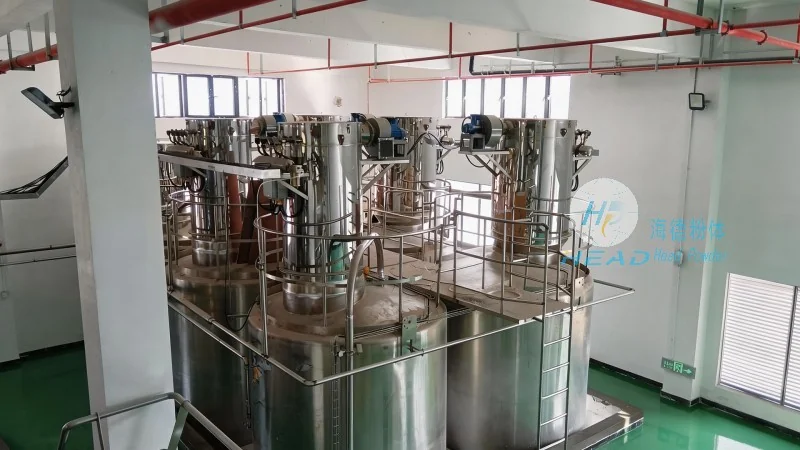
Understanding Sugar Material Pneumatic Conveying Systems
A sugar material pneumatic conveying system is a type of bulk material handling equipment that utilizes pneumatic technology to move granular or powdered sugar and other similar materials from one location to another. Unlike traditional mechanical conveyors, which rely on belts, screws, or buckets, pneumatic systems use compressed air to create a flow of material through a pipeline. This method is particularly advantageous for transporting sugar, as it minimizes product contamination, reduces the risk of clogging, and allows for flexible routing of the conveying line.
Key Design Principles of Pneumatic Conveying Systems
The design of a sugar material pneumatic conveying system is based on several fundamental principles that ensure efficient material transport. The primary design considerations include the material's physical properties, such as particle size, density, and moisture content, as well as the system's operational requirements, like the required conveying distance and throughput capacity. Engineers from companies like Shandong HeadPowder Engineering Co., Ltd. carefully analyze these factors to select the appropriate conveying method—either dilute phase or dense phase—and determine the necessary air pressure and flow rates.
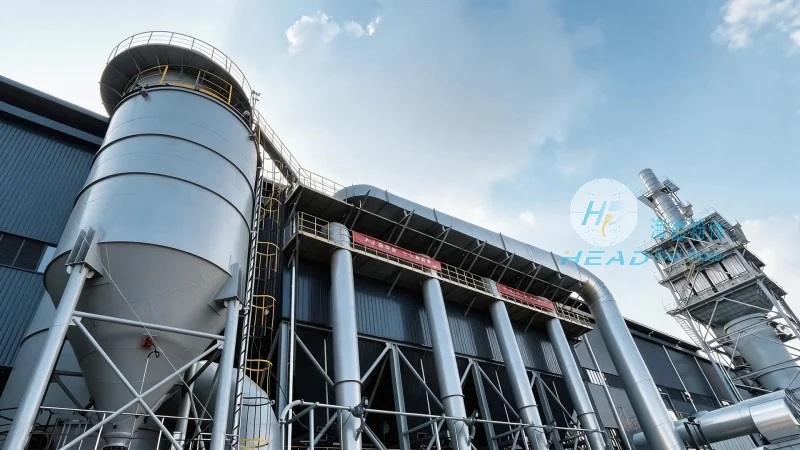
Components and Functionality of the System
A typical sugar material pneumatic conveying system consists of several key components, each playing a vital role in the overall operation. The main components include a material feeder, which introduces the sugar into the system; a compressor or air source that generates the necessary air pressure; a pipeline network that transports the material; and a receiver or discharge unit where the sugar is collected. The material feeder is designed to handle the specific characteristics of sugar, such as its flowability and potential for bridging, ensuring a consistent feed rate. The compressor provides the driving force, while the pipeline's design, including its diameter and bends, is optimized to minimize pressure drop and prevent material deposition.
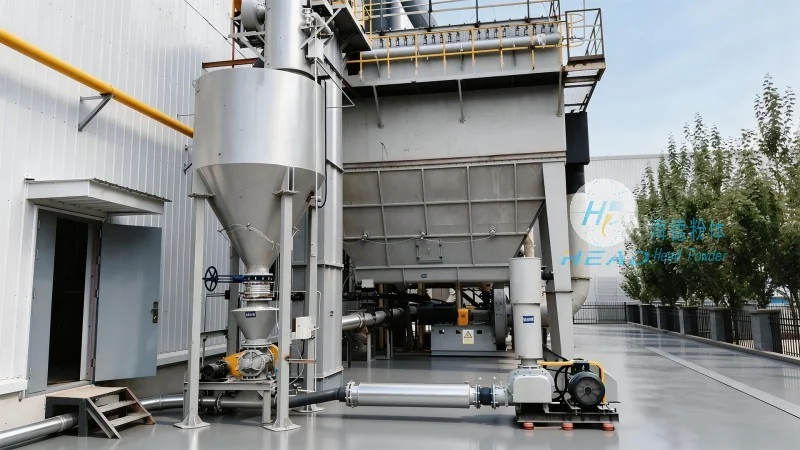
Advantages of Pneumatic Conveying for Sugar Handling
Implementing a pneumatic conveying system for sugar processing offers numerous advantages over traditional methods. One of the most significant benefits is the reduction of product contamination, as the system operates in a closed environment, preventing exposure to dust, moisture, or other contaminants. Additionally, pneumatic systems are highly flexible, allowing for changes in the conveying route without major modifications to the infrastructure. They also minimize the risk of clogging and material degradation, which can occur with mechanical conveyors. For sugar manufacturers, these advantages translate into improved product quality, reduced downtime, and enhanced operational efficiency.
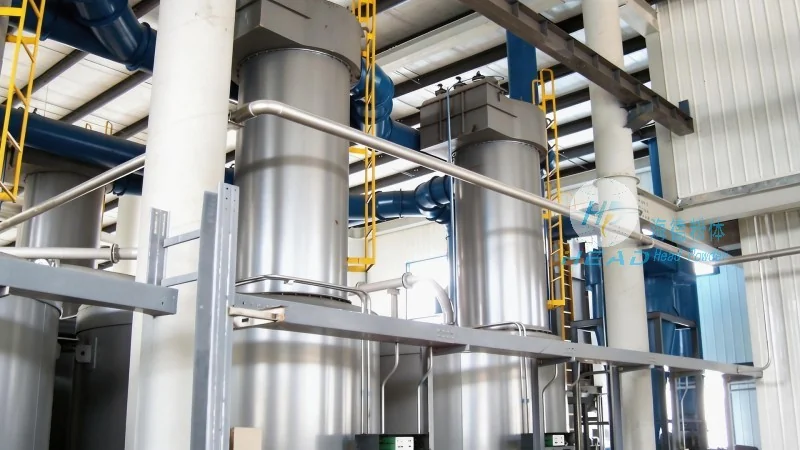
Customization and Application in Sugar Processing
Shandong HeadPowder Engineering Co., Ltd., a leading provider of bulk material handling solutions, specializes in designing and manufacturing customized pneumatic conveying systems tailored to the specific needs of sugar processing facilities. The company's engineers work closely with clients to understand their operational requirements, including the type of sugar being handled, the required conveying distance, and the desired throughput. By leveraging advanced engineering techniques and materials, HeadPowder ensures that each system is optimized for maximum performance and reliability. The company's expertise in sugar material handling has enabled it to develop solutions that address the unique challenges of the industry, such as handling fine powders and preventing product agglomeration.
Conclusion and Importance of Proper Design
In conclusion, a sugar material pneumatic conveying system is a sophisticated piece of equipment that plays a critical role in the efficient operation of sugar processing plants. The design principles behind these systems are rooted in understanding the material's properties and the operational demands of the facility. By incorporating the right components and optimizing the system's parameters, manufacturers can achieve reliable, low-maintenance, and cost-effective material transport. For companies like Shandong HeadPowder Engineering Co., Ltd., the focus is on delivering high-quality, customized solutions that meet the specific needs of the sugar industry, ensuring that sugar processing operations run smoothly and efficiently.