

High Temperature Fly Ash Positive Pressure and Negative Pressure Conveying: A Comparative Analysis o
When it comes to the handling of high-temperature fly ash, selecting the right pneumatic conveying method is crucial for ensuring efficiency, safety, and cost-effectiveness in industrial operations. Two primary approaches dominate the field: positive pressure conveying and negative pressure conveying. Each method offers distinct advantages and is suited to different operational requirements. This analysis from Shandong HeadPowder Engineering Co., Ltd., a leading provider of specialized material handling solutions based in Shandong, China, delves into the characteristics, applications, and comparative performance of these two systems.
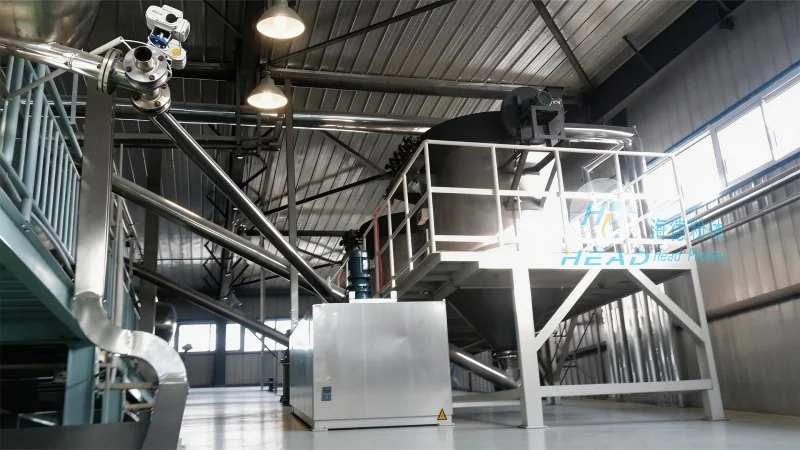
Understanding Positive Pressure Conveying for High Temperature Fly Ash
Positive pressure conveying systems operate by blowing air or a carrier gas into the conveying line, creating a pressure higher than the ambient environment. This method is particularly effective for transporting high-temperature fly ash, as it can handle materials with elevated temperatures without the risk of condensation or clogging that may occur in other systems. The high-pressure air stream ensures that the fly ash particles are fully suspended and transported through the pipeline efficiently. A key advantage of positive pressure systems is their ability to handle abrasive and high-density materials like fly ash, which are common in power plants and industrial facilities. These systems are also relatively simple in design, requiring fewer components and lower maintenance compared to negative pressure alternatives. However, they may generate more noise and require more energy due to the continuous pressure build-up. The positive pressure approach is often preferred for short to medium-distance conveying applications, where the material needs to be moved from a central source to multiple destinations or storage facilities.
Exploring Negative Pressure Conveying for High Temperature Fly Ash
Negative pressure conveying, also known as suction or vacuum conveying, works by creating a vacuum in the conveying line, drawing the fly ash particles into the system. This method is ideal for applications where the material needs to be collected from multiple points or where the conveying distance is longer. Negative pressure systems are generally quieter and more energy-efficient than their positive pressure counterparts, as they only require power to maintain the vacuum rather than continuously generate high pressure. They are also better suited for handling fine or dusty materials, as the vacuum helps to prevent dust from escaping into the environment. However, negative pressure conveying may be less effective for high-temperature fly ash due to the risk of condensation and moisture buildup within the system, which can lead to clogging or corrosion. Additionally, the vacuum created can make the system more susceptible to blockages if the material contains large particles or debris. The design of negative pressure systems often includes more complex components, such as rotary valves and filters, to manage the flow and prevent contamination. These systems are typically used for longer conveying distances or when the material needs to be collected from various sources before being transported to a central processing unit.

Comparative Analysis: Positive vs. Negative Pressure Conveying
When comparing positive and negative pressure conveying for high-temperature fly ash, several factors must be considered to determine the most suitable method for a specific application. The primary considerations include conveying distance, material characteristics, system complexity, and operational costs. Positive pressure systems excel in short to medium-distance applications where the material is transported from a single source to multiple points, as they can maintain consistent pressure and prevent material degradation. They are also more robust for handling abrasive and high-temperature materials, making them ideal for power plants and industrial facilities where fly ash is generated in large quantities. On the other hand, negative pressure systems are better suited for longer distances or when the material needs to be collected from multiple sources, as the vacuum allows for efficient suction from various points. They are also more environmentally friendly due to their lower noise levels and reduced energy consumption. However, the risk of condensation and clogging in negative pressure systems may limit their use in high-temperature applications unless additional measures, such as heating or anti-condensation systems, are implemented. The choice between the two methods often depends on the specific operational requirements, including the distance to be covered, the volume of material to be transported, and the environmental constraints of the facility. Shandong HeadPowder Engineering Co., Ltd. specializes in designing and manufacturing customized pneumatic conveying systems tailored to the unique needs of each client, ensuring optimal performance and reliability for high-temperature fly ash handling.

Key Considerations for Selecting the Right Conveying System
Choosing between positive and negative pressure conveying for high-temperature fly ash requires a thorough evaluation of several key factors. The first consideration is the conveying distance, as positive pressure systems are generally more efficient for shorter distances, while negative pressure systems are better for longer distances. The material characteristics, such as particle size, density, and temperature, also play a critical role. High-temperature fly ash often requires systems that can handle elevated temperatures without condensation or clogging, which may favor positive pressure systems. The system complexity and maintenance requirements are also important, as positive pressure systems are simpler and easier to maintain, while negative pressure systems may require more components and regular cleaning. Operational costs, including energy consumption and noise levels, should also be considered, as negative pressure systems are typically more energy-efficient and quieter. Environmental regulations and safety standards are another critical factor, as both systems must comply with local regulations regarding dust emissions and material handling. Ultimately, the decision should be based on a comprehensive analysis of the specific application, taking into account the operational goals, budget constraints, and long-term performance requirements. Shandong HeadPowder Engineering Co., Ltd. provides expert consultation and customized solutions to help clients select the most appropriate pneumatic conveying system for their high-temperature fly ash handling needs, ensuring optimal performance, safety, and efficiency.
Conclusion: Tailored Solutions for High Temperature Fly Ash Conveying
In conclusion, both positive pressure and negative pressure conveying methods offer viable solutions for handling high-temperature fly ash, each with its own set of advantages and limitations. The choice between the two depends on the specific operational requirements, including conveying distance, material characteristics, and environmental constraints. Positive pressure systems are ideal for short to medium-distance applications where robustness and efficiency are paramount, while negative pressure systems are better suited for longer distances or when the material needs to be collected from multiple sources. Shandong HeadPowder Engineering Co., Ltd. leverages its expertise in material handling to design and manufacture customized pneumatic conveying systems that meet the unique needs of each client. By carefully evaluating the factors mentioned above, clients can select the most appropriate system to ensure efficient, safe, and cost-effective high-temperature fly ash transportation. The company's commitment to quality and innovation ensures that its solutions are tailored to the evolving demands of the industry, providing reliable and sustainable material handling solutions for years to come.