

Baryte Powder Positive Pressure Conveying vs. Negative Pressure Conveying: A Comparative Analysis of
When it comes to transporting baryte powder, the choice between positive pressure and negative pressure pneumatic conveying systems is a critical decision for industrial operations. Both methods leverage air to move material, but they operate on fundamentally different principles, each with distinct advantages and limitations. This analysis delves into the characteristics of each system, helping industry professionals select the most suitable option for their baryte powder handling needs. The selection of the appropriate system depends on factors such as the distance between the source and destination, the volume of material, the physical properties of the baryte powder, and the operational environment. Understanding these systems is essential for optimizing material transport efficiency and ensuring the longevity of the equipment.
Positive Pressure Conveying: Advantages and Applications
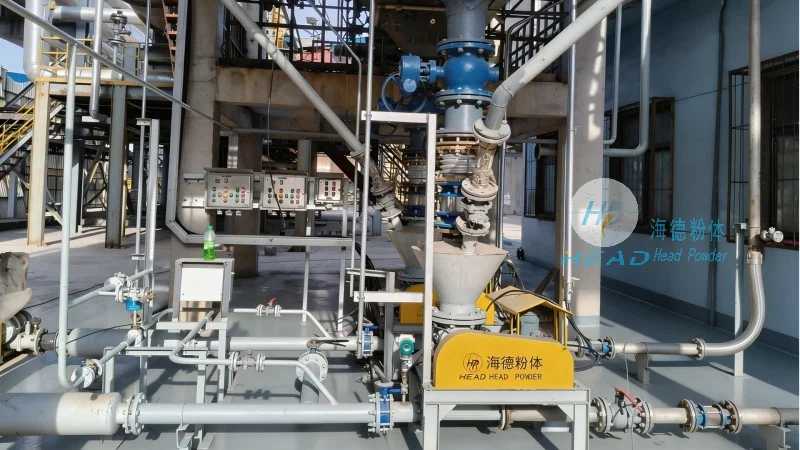
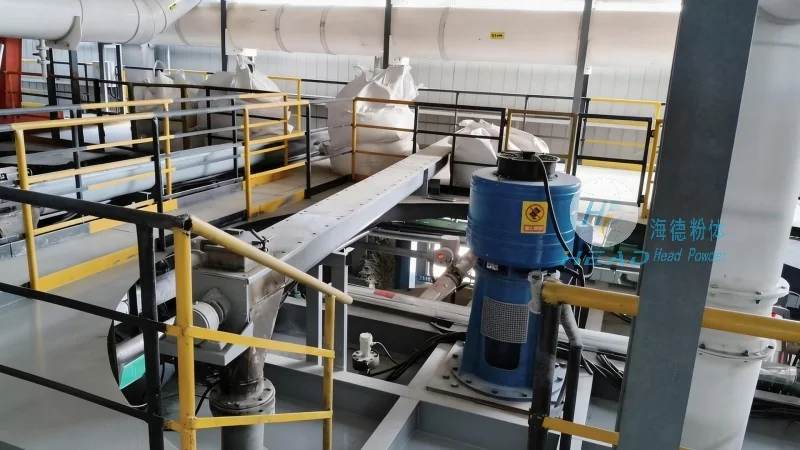
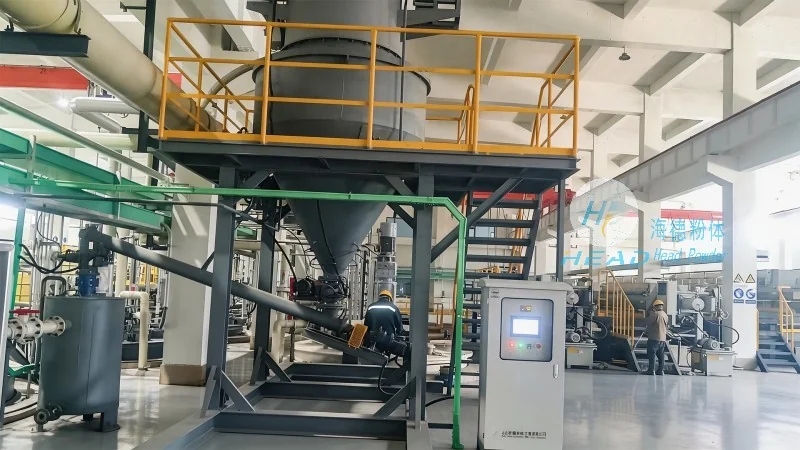
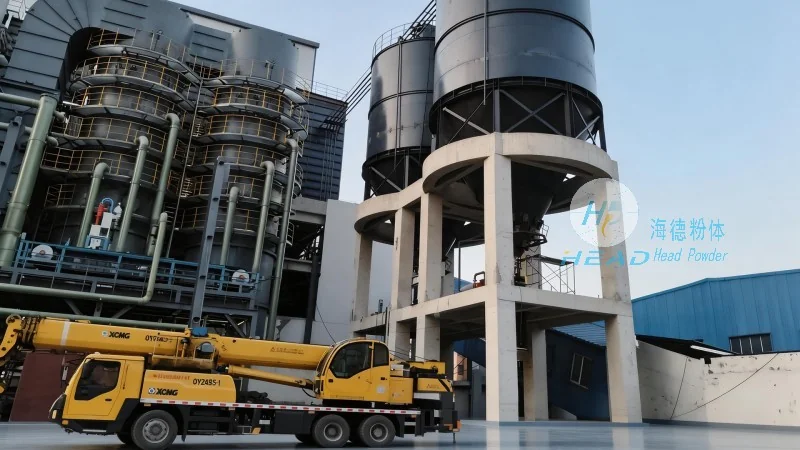
Positive pressure conveying systems operate by blowing air into the material to be transported. The air is forced through the conveying line, carrying the baryte powder from the source to the destination. This method is particularly effective for long-distance or high-capacity applications. One of the key benefits of positive pressure systems is their ability to handle abrasive or corrosive materials without significant wear on the equipment. The continuous airflow also helps maintain material moisture levels, which is crucial for baryte powder, as moisture can affect its performance in industrial processes. Additionally, positive pressure systems are generally more efficient in terms of energy consumption for high-volume operations, making them a preferred choice for large-scale baryte powder handling facilities. For example, in mining and mineral processing industries, where baryte is often extracted and processed in bulk, positive pressure systems are commonly used to transport the powder from processing plants to storage or shipping facilities. The robust design of these systems allows them to handle the high flow rates and abrasive nature of baryte powder, ensuring reliable operation over extended periods.
Negative Pressure Conveying: Key Features and Use Cases
Negative pressure conveying, also known as suction or vacuum systems, works by creating a vacuum in the conveying line. The vacuum draws the baryte powder from the source into the system. This method is ideal for applications requiring gentle handling of the material, as the suction process is less likely to cause particle degradation compared to the forceful blowing of positive pressure systems. Negative pressure systems are particularly suitable for short to medium distances and for handling materials that are sensitive to high air velocities. They are also advantageous in environments where dust control is a priority, as the system draws material into the line rather than expelling it. For instance, in pharmaceutical or food processing industries, where the purity of the baryte powder is critical, negative pressure systems are often preferred to prevent contamination and maintain product quality. The gentle suction process minimizes the risk of particle breakage, ensuring that the final product meets stringent quality standards. However, negative pressure systems may require more maintenance due to the higher risk of dust accumulation in the suction line, and they are generally less efficient for very long distances or high-capacity needs. The vacuum pumps used in these systems also consume more energy compared to the blowers in positive pressure systems, which can impact overall operational costs.