

Positive Pressure and Negative Pressure Conveying of Rare Earth Ore Powders: A Comparative Analysis
When it comes to the efficient and reliable transportation of rare earth ore powders, the choice of pneumatic conveying method plays a crucial role in optimizing industrial processes. Two primary approaches dominate the field: positive pressure conveying and negative pressure conveying. This article provides a detailed comparison of these two methods, examining their operational principles, advantages, disadvantages, and practical applications in the context of rare earth ore powder handling.
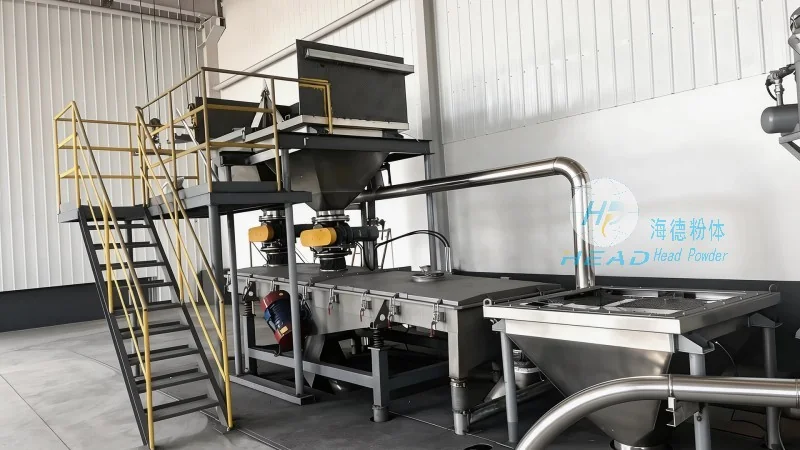
Understanding Pneumatic Conveying Methods
Pneumatic conveying is a technology that uses air or gas to transport bulk materials, such as powders and granules, through a pipeline system. It offers a flexible and often cost-effective solution for material handling, especially in industries where traditional mechanical conveying systems may be impractical or inefficient. The two main types of pneumatic conveying—positive pressure and negative pressure—differ primarily in how they generate the necessary airflow to move the material.
Positive Pressure Conveying: For High-Volume and High-Density Applications
Positive pressure conveying, also known as pressure pneumatic conveying, operates by blowing air or gas into the conveying line at a pressure higher than the ambient atmospheric pressure. This method is particularly well-suited for transporting large volumes of material over long distances or through complex pipeline networks. The high pressure ensures that the material is continuously pushed forward, reducing the risk of clogging and maintaining consistent flow rates.
For rare earth ore powders, which often have high density and can be abrasive, positive pressure conveying can be highly effective. The system typically includes a blower or compressor at the inlet, a hopper for material loading, and a discharge point at the destination. The positive pressure maintains the material in suspension, preventing it from settling in the pipeline and ensuring smooth transport. This method is commonly used in industrial settings where the material needs to be moved from a central processing facility to multiple points of use or storage.
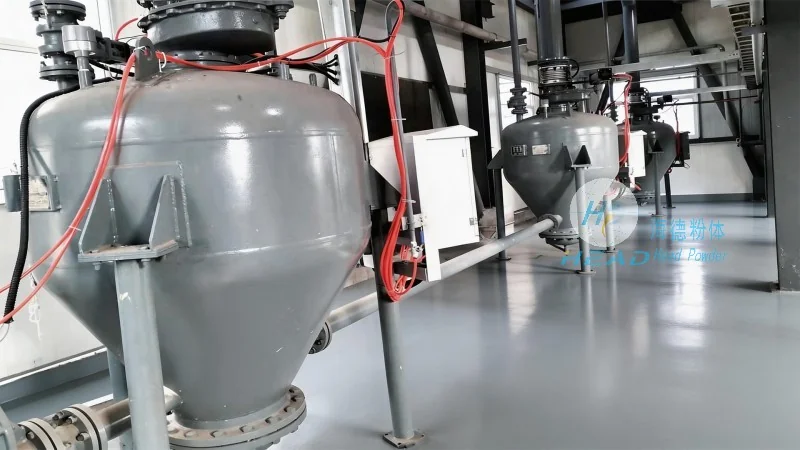
One of the key advantages of positive pressure conveying is its ability to handle high material loads and long distances without significant pressure loss. It is also less susceptible to external air infiltration, which can be a concern in environments where dust control is critical. However, this method may require more robust equipment and higher energy consumption due to the need to maintain elevated pressure throughout the system.
Negative Pressure Conveying: Ideal for Dust Control and Short Distances
Negative pressure conveying, or vacuum pneumatic conveying, works by creating a vacuum in the conveying line, drawing material from the source into the pipeline. This method is typically used for shorter distances and lower material volumes, and it is particularly effective in applications where dust control is a priority. The vacuum pulls the material into the system, ensuring that no material is released into the environment during transport.
In the context of rare earth ore powders, negative pressure conveying can be advantageous when handling materials that are sensitive to contamination or when working in enclosed environments. The system includes a vacuum pump at the discharge end, a hopper at the source, and a filter to capture any dust or particles. The vacuum draws the material into the pipeline, maintaining a clean and controlled transport process. This method is often used for transporting material from a storage silo to a processing unit or for short-distance transfers within a facility.
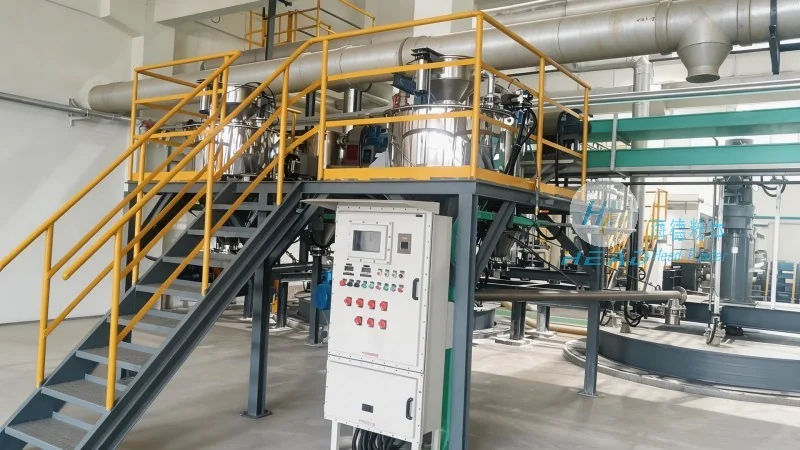
One of the main benefits of negative pressure conveying is its excellent dust control capabilities. The sealed system prevents dust from escaping, making it suitable for applications where environmental regulations and worker safety are paramount. However, this method may have limitations in terms of material capacity and distance, as the vacuum can drop significantly over longer pipelines, potentially leading to clogging or reduced flow rates.
Comparative Analysis: Key Factors to Consider
When choosing between positive pressure and negative pressure conveying for rare earth ore powders, several factors must be considered. The primary considerations include the distance of the transport, the volume of material to be moved, the need for dust control, and the overall system cost and energy consumption. Positive pressure conveying is generally more suitable for long-distance, high-volume applications, while negative pressure conveying is better for short distances and applications requiring strict dust control.
Another critical factor is the material characteristics of the rare earth ore powders. For example, if the powder is highly abrasive or has a tendency to agglomerate, positive pressure conveying may be preferred due to its ability to maintain consistent flow and prevent clogging. Conversely, if the material is fine and prone to dust generation, negative pressure conveying may offer better control and reduced environmental impact.
Cost is also a significant consideration. Positive pressure systems often require more expensive equipment, such as high-pressure blowers and robust pipelines, but they may be more energy-efficient for high-volume operations. Negative pressure systems, while potentially less expensive to install, may have higher operational costs due to the energy required to maintain the vacuum and the need for regular filter maintenance.
Application Examples in Rare Earth Processing
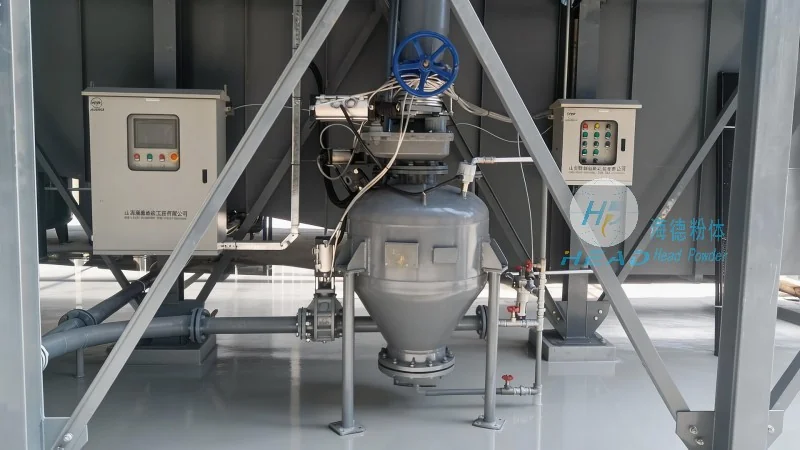
Both positive and negative pressure conveying methods are widely used in the rare earth ore processing industry. For instance, a large rare earth mining operation may use positive pressure conveying to transport ore from the mining site to a central processing plant over a distance of several kilometers. The high volume and long distance make positive pressure the most efficient choice, ensuring that the material is delivered to the processing facility without interruption.
In contrast, a smaller rare earth processing facility might use negative pressure conveying to transport fine rare earth powders from a storage silo to a mixing or refining unit within the plant. The short distance and the need to maintain a clean environment make negative pressure conveying ideal, as it prevents dust from escaping and ensures that the material remains in a controlled state throughout the transport process.
Conclusion: Selecting the Right Conveying Method
Ultimately, the choice between positive pressure and negative pressure conveying for rare earth ore powders depends on a careful evaluation of the specific operational requirements and material characteristics. Positive pressure conveying offers high efficiency and capacity for long-distance transport, while negative pressure conveying excels in dust control and short-distance applications. By understanding the strengths and limitations of each method, industrial operators can select the most appropriate pneumatic conveying system to optimize their rare earth ore powder handling processes.