

Comparison of Positive Pressure and Negative Pressure Conveying for Sodium Bicarbonate: A Comparativ
When it comes to the efficient and reliable transportation of sodium bicarbonate, selecting the right pneumatic conveying method is crucial. This article provides a detailed comparison between positive pressure and negative pressure conveying systems, focusing on their applications, advantages, and limitations in the context of sodium bicarbonate handling. The analysis is presented by Shandong HeadPowder Engineering Co., Ltd., a leading provider of material handling solutions based in Shandong, China.
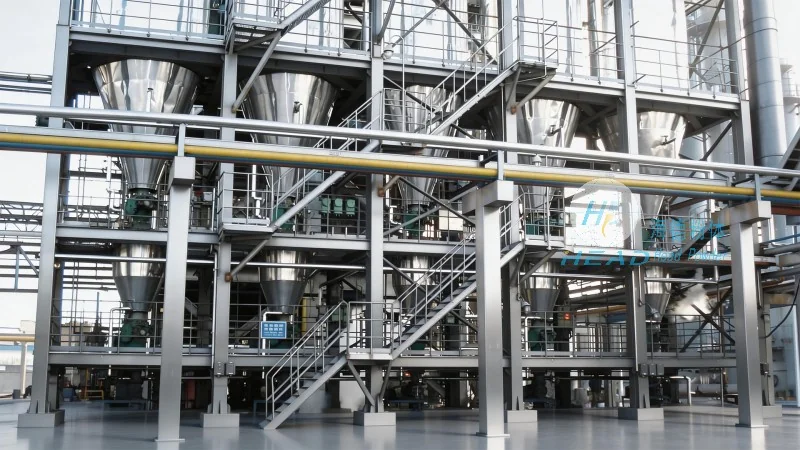
Introduction to Pneumatic Conveying for Sodium Bicarbonate
Sodium bicarbonate, commonly known as baking soda, is widely used in various industries, including food processing, pharmaceuticals, and chemical manufacturing. Its bulk handling requires specialized equipment to ensure safety, efficiency, and minimal product degradation. Pneumatic conveying systems offer a non-contact method for transporting dry powders like sodium bicarbonate, eliminating the need for mechanical components that might cause contamination or wear. Two primary methods dominate the market: positive pressure and negative pressure conveying. Each has distinct characteristics that make it suitable for different operational scenarios.
Positive Pressure Conveying System
Positive pressure conveying, also known as pressure conveying, operates by forcing air or gas through the conveying line using a positive pressure blower or compressor. The system creates a pressure differential where the conveying line pressure is higher than the ambient air pressure. This method is particularly effective for long-distance and high-capacity transport of sodium bicarbonate. The positive pressure system ensures that the material is continuously pushed through the pipeline, reducing the risk of blockages and maintaining consistent flow rates. One of the key advantages is its ability to handle abrasive or corrosive materials without significant wear on the equipment. Additionally, positive pressure systems can be easily integrated with other processing equipment, such as mixers or reactors, allowing for seamless material transfer within a production line.
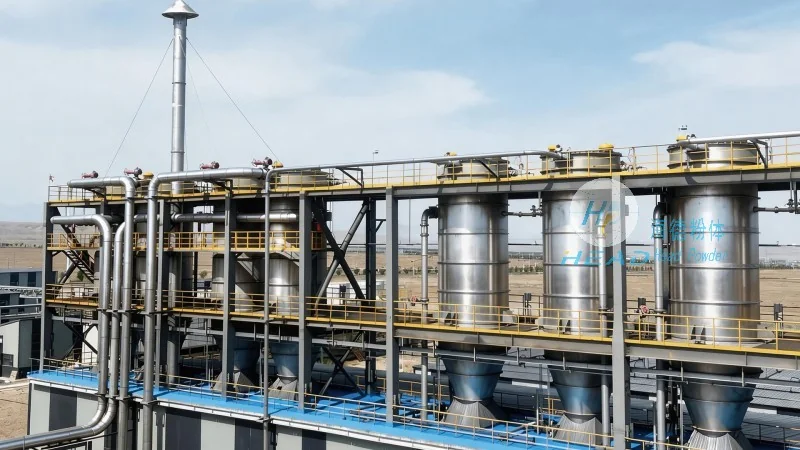
Negative Pressure Conveying System
Negative pressure conveying, or vacuum conveying, works by creating a vacuum in the conveying line, drawing the sodium bicarbonate from the source container into the system. The vacuum is generated by a vacuum pump, which pulls air and the material through the pipeline. This method is ideal for short to medium distances and is often used for handling fine powders that are prone to dust generation. Negative pressure systems are generally more energy-efficient for shorter transport distances compared to positive pressure systems. They also provide better control over the material flow, as the vacuum level can be adjusted to regulate the conveying rate. However, negative pressure conveying may be less suitable for long-distance transport due to the potential for pressure drop and material degradation. The system is also more susceptible to clogging if the material contains moisture or is highly cohesive.
Key Differences and Selection Criteria
When comparing positive and negative pressure conveying for sodium bicarbonate, several factors must be considered to determine the most appropriate system. The primary differences lie in the pressure differential, energy consumption, and suitability for different material characteristics. Positive pressure systems are generally more suitable for long-distance, high-volume transport and are less affected by changes in ambient conditions. They are also better equipped to handle abrasive or corrosive materials. In contrast, negative pressure systems are more energy-efficient for short distances and provide better control over fine powders. The choice between the two depends on the specific application requirements, including the distance between the source and destination, the material's properties (such as moisture content and particle size), and the overall production capacity.
Advantages and Limitations of Each Method
Positive pressure conveying offers several advantages, including higher conveying rates, better control over material flow, and reduced risk of clogging. The system is also more reliable for long-distance transport and can handle a wider range of materials. However, it has limitations, such as higher energy consumption and the need for robust equipment to withstand higher pressures. Negative pressure conveying, on the other hand, is more energy-efficient for short distances and provides better control over fine powders. It is also less expensive to install and maintain compared to positive pressure systems. The main limitations include lower conveying rates, higher susceptibility to clogging, and reduced suitability for long-distance transport.
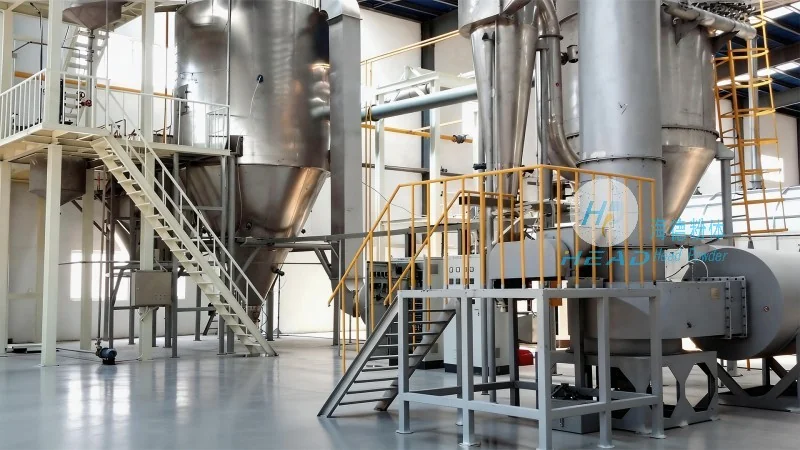
Application Examples in Sodium Bicarbonate Handling
Positive pressure conveying is commonly used in large-scale food processing facilities where sodium bicarbonate is transported from storage silos to mixing tanks over long distances. The system ensures a consistent and high-volume flow of the powder, meeting the demands of high-speed production lines. In pharmaceutical manufacturing, positive pressure systems are used to transport sodium bicarbonate to blending equipment, maintaining strict contamination control. Negative pressure conveying is often employed in smaller-scale applications, such as in laboratories or small-scale food production, where the transport distance is short and the material is fine and prone to dust. The system provides precise control over the material flow, ensuring accurate dosing in sensitive applications.
Conclusion and Recommendations
Both positive pressure and negative pressure conveying systems have their place in the handling of sodium bicarbonate. The choice between the two depends on the specific operational requirements, including distance, material properties, and production capacity. Positive pressure systems are generally preferred for long-distance, high-volume transport, while negative pressure systems are more suitable for short distances and fine powders. Shandong HeadPowder Engineering Co., Ltd. offers customized pneumatic conveying solutions tailored to the unique needs of each application, ensuring optimal performance and efficiency. By understanding the advantages and limitations of each method, industries can select the most appropriate system to enhance their sodium bicarbonate handling processes.