

Asbestos Trioxide Positive Pressure and Negative Pressure Conveying: A Comparative Analysis of Two P
Asbestos trioxide, a critical material in various industrial applications, requires efficient and reliable transportation methods to ensure safety and operational efficiency. Pneumatic conveying systems offer a non-contact, low-maintenance solution for moving such powders. This analysis compares two primary pneumatic conveying approaches: positive pressure and negative pressure systems, focusing on their mechanisms, advantages, and practical applications.
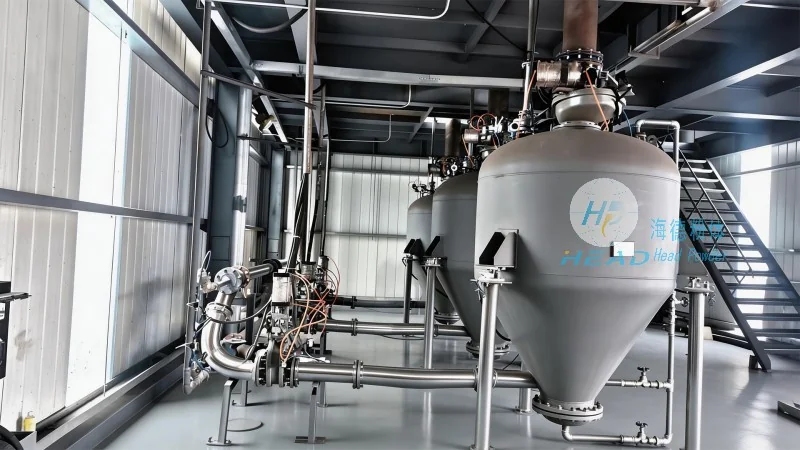
Company Profile: Shandong HeadPowder Engineering Co., Ltd.
HeadPowder, a leading provider in the field, specializes in engineering solutions tailored to the unique challenges of handling asbestos trioxide. With a strong presence in China, particularly in Shandong province, the company leverages decades of experience to deliver customized pneumatic conveying systems. Their expertise ensures that clients receive equipment optimized for safety, performance, and longevity.
Positive Pressure Conveying: Mechanism and Characteristics
Positive pressure conveying operates by blowing air or gas into the conveying line, creating a pressure higher than the ambient environment. This method forces the material to move through the system. For asbestos trioxide, this approach is particularly effective when dealing with fine powders that are prone to caking or agglomeration. The high pressure helps maintain the material's flowability and prevents blockages. HeadPowder's positive pressure systems are designed with robust blower units and flexible hose or pipe configurations, ensuring consistent material transport even over long distances. The positive pressure method is also advantageous in environments where dust containment is critical, as the sealed system prevents particulate release.

Negative Pressure Conveying: Mechanism and Characteristics
Negative pressure conveying, conversely, draws material into the system by creating a vacuum or lower pressure inside the conveying line compared to the ambient air. This method is often preferred for applications requiring the transfer of material from multiple sources or when the material is to be collected from a hopper or storage silo. For asbestos trioxide, negative pressure systems are suitable for handling bulk material where the material's density and flow characteristics allow for efficient suction. The key advantage of negative pressure is its ability to handle larger volumes of material with fewer moving parts, reducing maintenance requirements. However, it is less effective for fine powders that may settle or clog the suction line, as the vacuum can cause the material to adhere to the pipe walls.
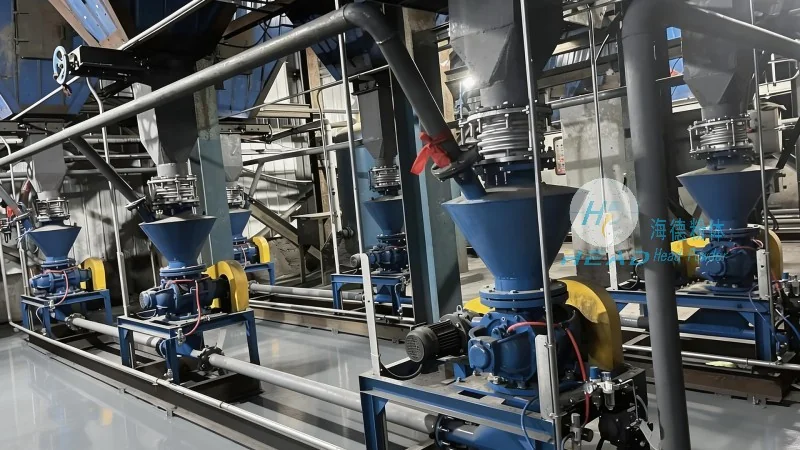
Comparative Analysis: Positive vs. Negative Pressure Conveying
When selecting between positive and negative pressure conveying for asbestos trioxide, several factors must be considered. The primary difference lies in the system's pressure differential and the direction of material movement. Positive pressure systems are generally more suitable for long-distance transport and handling of fine, cohesive powders, as the high pressure maintains material flow and prevents blockages. Negative pressure systems excel in applications where the material is collected from a single point or where the system needs to handle larger, less cohesive bulk material. Cost is another critical factor; positive pressure systems often require more powerful blowers and higher air pressure, increasing initial investment and operational costs. Negative pressure systems, while cheaper to install, may have higher maintenance costs due to the wear and tear on suction components. Safety is a paramount concern with asbestos trioxide, as both methods must comply with strict regulations to prevent dust exposure. Positive pressure systems offer better containment, as the sealed line prevents dust from escaping, whereas negative pressure systems require effective filtration to avoid airborne particulate release.
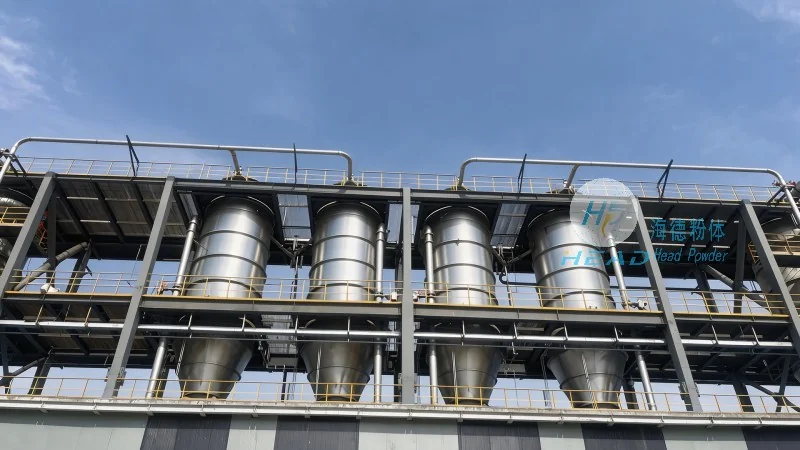
Application Scenarios and Practical Considerations
The choice between positive and negative pressure conveying for asbestos trioxide depends on the specific operational requirements. For example, in a manufacturing plant where asbestos trioxide is processed over a large area and needs to be transported to multiple processing units, a positive pressure system with multiple discharge points may be more efficient. Conversely, in a storage facility where material is collected from a silo and transported to a central processing area, a negative pressure system might be more appropriate. The physical properties of the material, such as particle size, moisture content, and tendency to agglomerate, also influence the choice. Fine, dry asbestos trioxide is better suited for positive pressure due to its high flow resistance, while larger, bulkier particles may perform better with negative pressure. HeadPowder's engineers conduct thorough assessments of these factors to recommend the most suitable system for each client's needs, ensuring optimal performance and compliance with safety standards.
Conclusion and Recommendations
Both positive and negative pressure pneumatic conveying methods offer viable solutions for transporting asbestos trioxide, each with distinct advantages and limitations. Positive pressure systems provide superior control over material flow, enhanced safety through sealed containment, and are ideal for long-distance, fine powder transport. Negative pressure systems, on the other hand, are cost-effective for bulk material handling and suitable for applications requiring suction from multiple sources. The decision ultimately depends on the specific operational context, material characteristics, and safety requirements. By leveraging their expertise, HeadPowder Engineering Co., Ltd. provides tailored solutions that balance performance, cost, and compliance, ensuring that clients can efficiently and safely handle asbestos trioxide in their industrial processes.