

[MELAMINE POWDER POSITIVE PRESSURE AND NEGATIVE PRESSURE CONVEYING: A COMPARATIVE ANALYSIS OF TWO PN
When it comes to transporting melamine powder, the choice between positive pressure and negative pressure pneumatic conveying systems is a critical decision that impacts operational efficiency, product quality, and overall system reliability. As a leading provider in the field, Shandong HeadPowder Engineering Co., Ltd. (hereinafter referred to as HeadPowder) offers comprehensive solutions tailored to the unique requirements of melamine powder handling. This article provides a detailed comparison of positive pressure and negative pressure conveying methods, focusing on their applications, advantages, and considerations for melamine powder transportation.
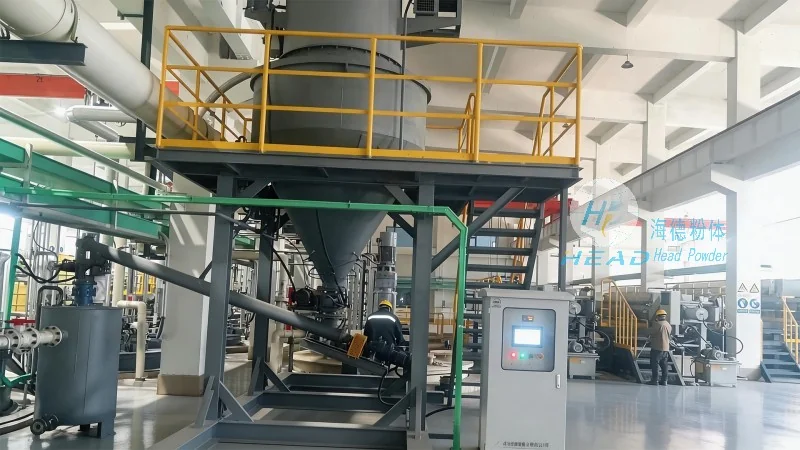
Introduction to Pneumatic Conveying Systems
Pneumatic conveying is a widely used technique for transporting bulk materials like melamine powder through a pipeline using air or other gases. The primary goal is to move material from a source to a destination without the need for mechanical components like conveyors or elevators. Two main categories of pneumatic conveying exist: positive pressure and negative pressure systems. Each method operates on distinct principles, offering different benefits and challenges that must be carefully evaluated based on the specific characteristics of the material being conveyed.
Positive Pressure Conveying: The Forward Air Flow Approach
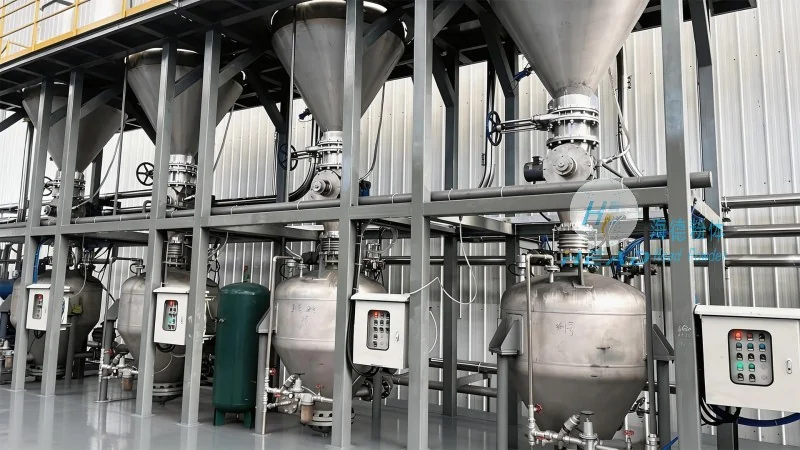
Positive pressure conveying, also known as pressure conveying, operates by blowing air or gas into the conveying line at a higher pressure than the ambient environment. The material is introduced into the pipeline at the start of the system, and the pressurized air propels the powder forward through the entire length of the pipeline. This method is particularly effective for transporting melamine powder over long distances or through complex network configurations. The high pressure ensures that the material is fully suspended and transported efficiently, minimizing the risk of blockages or material degradation.
Key advantages of positive pressure conveying for melamine powder include its ability to handle high material loads, maintain consistent flow rates, and accommodate longer pipeline lengths. The system can be designed to operate at various pressures, typically ranging from low to moderate levels, depending on the distance and complexity of the conveying route. Additionally, positive pressure systems are often more suitable for applications where the material needs to be delivered to multiple destinations from a single source, as the pressurized air can be directed to different branches within the network.
However, positive pressure conveying also presents certain challenges. The high pressure requirements can lead to increased energy consumption and higher maintenance costs for the air compressors and associated equipment. Furthermore, the system may be more susceptible to pressure drops along the pipeline, which can affect the flow rate and potentially cause material deposition if not properly managed. In some cases, the high velocity of the air may also lead to increased wear on the pipeline components, requiring more frequent inspections and replacements.
Negative Pressure Conveying: The Suction-Based Method
Negative pressure conveying, or vacuum conveying, works by creating a vacuum at the receiving end of the system, which draws the material into the pipeline. The material is typically fed into the pipeline at the source, and the vacuum pulls the powder through the entire length of the pipeline to the collection point. This method is commonly used for shorter conveying distances and when the material needs to be collected from multiple points and delivered to a single destination.
One of the primary benefits of negative pressure conveying for melamine powder is its lower energy consumption compared to positive pressure systems. The vacuum pump operates at lower pressures, resulting in reduced operational costs and less strain on the equipment. Additionally, the system is generally more compact and easier to install, as it does not require high-pressure air compressors or extensive piping for pressurization.
Nevertheless, negative pressure conveying has its limitations. The vacuum system may not be as effective for long-distance or high-volume transportation, as the suction power diminishes over longer distances, potentially leading to reduced flow rates or material blockages. The system is also more sensitive to air leaks, as any breach in the pipeline can cause a significant drop in vacuum pressure and disrupt the conveying process. Furthermore, the high velocity of the air in negative pressure systems can cause more material attrition, which may affect the quality of the melamine powder, especially if the material is prone to degradation or has specific particle size requirements.
Comparative Analysis: Which Method is Best for Melamine Powder?
When deciding between positive pressure and negative pressure conveying for melamine powder, several factors must be considered. The most critical factor is the distance and complexity of the conveying route. For long distances or complex network configurations, positive pressure conveying is often the preferred choice due to its ability to maintain consistent flow rates and handle higher material loads. Conversely, for shorter distances or applications requiring collection from multiple points, negative pressure conveying may be more suitable due to its lower energy consumption and simpler installation.
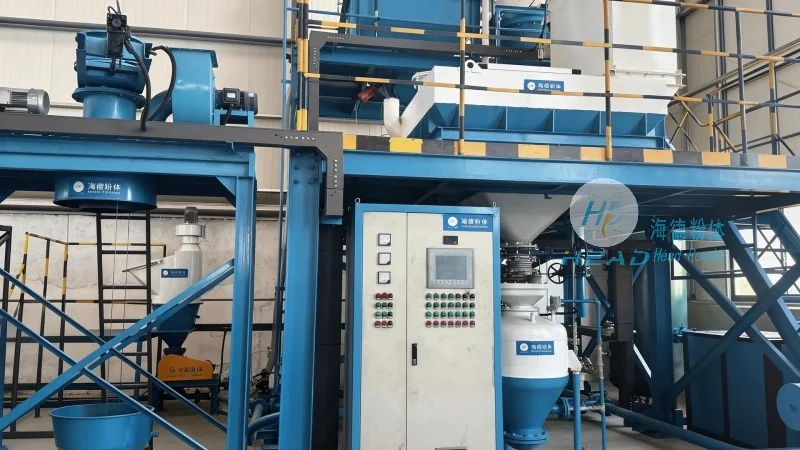
Another important consideration is the material characteristics of melamine powder. Melamine powder is typically a fine, free-flowing material with specific particle size and moisture content requirements. Positive pressure conveying can effectively handle these characteristics by maintaining a consistent suspension of the powder in the air stream, reducing the risk of agglomeration or degradation. Negative pressure conveying, while effective for some fine powders, may be more prone to material attrition and blockages, especially if the powder is highly cohesive or has a high moisture content.
Operational costs and maintenance requirements also play a significant role in the decision-making process. Positive pressure systems generally require higher energy input and more robust equipment, leading to higher operational and maintenance costs. Negative pressure systems, on the other hand, are more energy-efficient and easier to maintain, making them a more cost-effective option for certain applications. However, the initial investment for a negative pressure system may be higher due to the need for vacuum pumps and specialized piping.
Application Examples and Practical Considerations
HeadPowder has extensive experience in designing and implementing both positive and negative pressure conveying systems for melamine powder applications. For instance, a client in the melamine manufacturing industry required a system to transport melamine powder from a storage silo to a processing plant over a distance of 500 meters with multiple branching points. A positive pressure conveying system was selected due to the long distance and complex network, ensuring consistent material flow and minimal downtime. The system was equipped with high-efficiency air compressors and advanced control systems to maintain optimal pressure and flow rates.
In another case, a client needed to collect melamine powder from several small hoppers and deliver it to a central storage tank over a shorter distance of 200 meters. A negative pressure conveying system was implemented, as it was more cost-effective and easier to install. The system utilized a vacuum pump and a series of collection hoppers, ensuring that the material was efficiently drawn into the pipeline and delivered to the destination without any blockages.
Both systems required careful consideration of the melamine powder's properties, such as its particle size distribution and moisture content, to ensure that the conveying process did not affect the material's quality. HeadPowder's engineers conducted thorough material testing and system simulations to optimize the design and ensure that the chosen method would meet the client's operational and quality requirements.
Conclusion and Recommendations
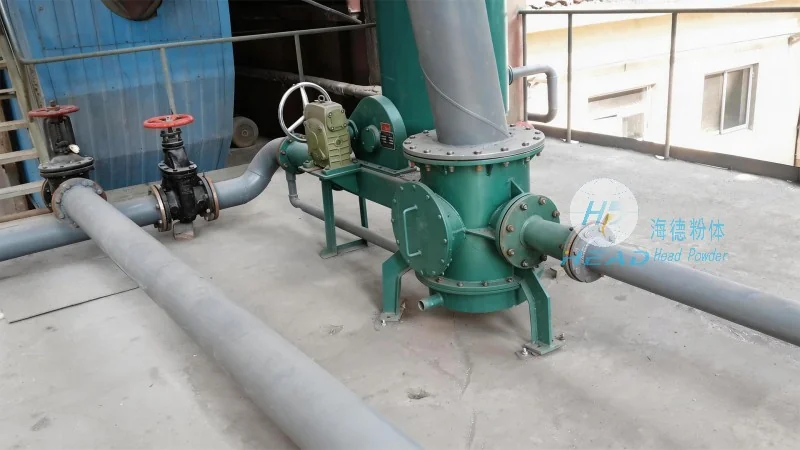
Both positive pressure and negative pressure pneumatic conveying methods offer viable solutions for transporting melamine powder, each with its own set of advantages and limitations. The choice between the two depends on a combination of factors, including the distance and complexity of the conveying route, the material characteristics of the melamine powder, and the operational and cost considerations of the application.
For long-distance or complex network applications, positive pressure conveying is generally more suitable due to its ability to maintain consistent flow rates and handle higher material loads. It is particularly effective for melamine powder, which requires efficient suspension and minimal degradation during transportation. However, the higher energy consumption and maintenance costs must be carefully evaluated to ensure that the system remains cost-effective over its operational life.
For shorter distances or applications requiring collection from multiple points, negative pressure conveying offers a more energy-efficient and cost-effective solution. It is ideal for situations where the melamine powder is less prone to degradation and where the system can be easily installed and maintained. The lower energy requirements and simpler equipment make it a practical choice for many industrial applications.
Ultimately, the decision between positive and negative pressure conveying for melamine powder should be based on a comprehensive analysis of the specific requirements of the application. HeadPowder provides expert consultation and customized solutions to help clients select the most appropriate conveying method, ensuring optimal performance, efficiency, and product quality. By leveraging our extensive experience and technical expertise, we can help you choose the right pneumatic conveying system for your melamine powder handling needs.