

Types and Practical Applications of Pneumatic Conveying Systems for Micropowder Handling
Pneumatic conveying systems have become a critical technology in the handling and transportation of micropowders across various industrial sectors. These systems offer efficient, dust-free, and flexible solutions for moving fine powders, which are often challenging to handle using traditional methods like bulk bags or conveyor belts. The choice of the right pneumatic conveying system depends on factors such as the powder characteristics, required throughput, and the distance over which the material needs to be transported. Understanding the different types of these systems and their practical applications is essential for optimizing material handling processes in industries like pharmaceuticals, food processing, and chemical manufacturing.
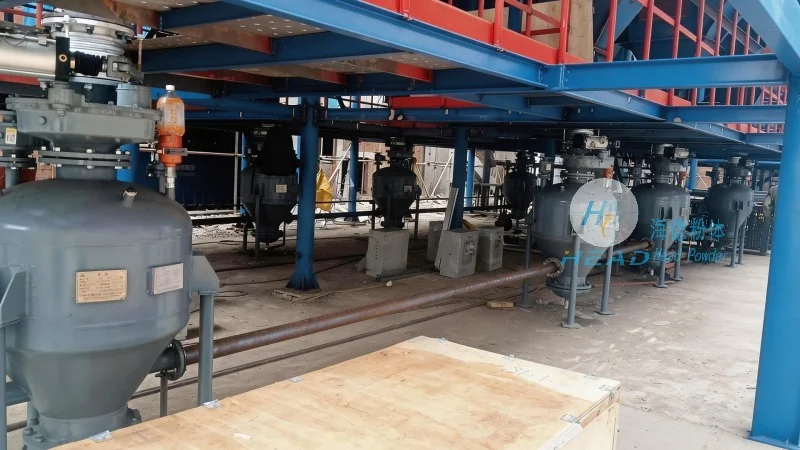
Overview of Pneumatic Conveying Systems for Micropowder Handling
Pneumatic conveying systems utilize air or gas to transport powders through a pipeline network. They are designed to handle materials that are difficult to move due to their fine particle size, low bulk density, or tendency to clog traditional equipment. The primary goal of these systems is to ensure reliable, continuous, and safe movement of micropowders from the source to the destination, minimizing material loss and contamination. HeadPowder, a leading provider of engineering solutions for material handling, specializes in designing and implementing customized pneumatic conveying systems tailored to the unique needs of each client. With a focus on efficiency and reliability, HeadPowder's systems are built to meet the stringent requirements of modern industrial applications.
Types of Pneumatic Conveying Systems
There are two main categories of pneumatic conveying systems: positive pressure (or pressure) systems and negative pressure (or vacuum) systems. Each type has distinct characteristics and is suitable for different operational scenarios. Positive pressure systems operate by blowing air or gas into the conveying line, pushing the powder forward. They are generally more suitable for short to medium distances and high throughput applications. Negative pressure systems, on the other hand, use a vacuum to draw the powder into the system, making them ideal for longer distances and applications where dust control is a priority.
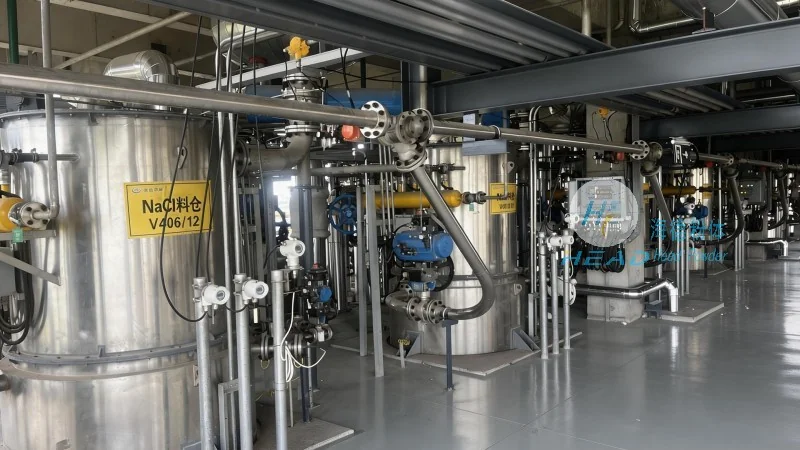
Positive Pressure Pneumatic Conveying Systems
Positive pressure systems are commonly used in industries where high material flow rates are required and the distance between the source and destination is relatively short. These systems consist of a blower or compressor that generates the necessary pressure to move the powder through the pipeline. The powder is typically introduced into the system at the inlet, where it is mixed with the air stream and carried to the outlet. The design of positive pressure systems allows for high efficiency and minimal pressure drop, making them suitable for handling a wide range of micropowders, including those with high moisture content or abrasive properties. HeadPowder's positive pressure systems are engineered with robust components, such as high-quality blowers and durable pipelines, to ensure long-term performance and low maintenance costs.
Negative Pressure Pneumatic Conveying Systems
Negative pressure systems are preferred for applications that require longer transport distances or where maintaining a clean environment is paramount. These systems use a vacuum pump to create a negative pressure in the conveying line, drawing the powder from the source into the system. The powder is then transported to the destination, where it is separated from the air stream and collected. Negative pressure systems are particularly effective for handling powders that are sensitive to pressure changes or for applications where dust containment is critical, such as in pharmaceutical or food processing industries. HeadPowder's negative pressure systems are designed with advanced filtration and separation technologies to ensure that the transported powder remains clean and free from contamination.
Practical Applications of Pneumatic Conveying Systems
The versatility of pneumatic conveying systems makes them applicable in a wide array of industries. In the pharmaceutical sector, these systems are used to transport active pharmaceutical ingredients (APIs) and excipients with high precision, ensuring that the powders are handled in a sterile and controlled environment. The food processing industry relies on pneumatic conveying for moving ingredients like flour, sugar, and spices, maintaining product quality and preventing cross-contamination. In chemical manufacturing, these systems are used to handle reactive or hazardous powders, providing a safe and efficient method of material transfer. Additionally, in the agricultural sector, pneumatic conveying is used to transport fertilizers and other agricultural products, improving the efficiency of storage and distribution. HeadPowder has successfully implemented pneumatic conveying systems in various projects across these industries, demonstrating the effectiveness of their solutions in real-world applications.
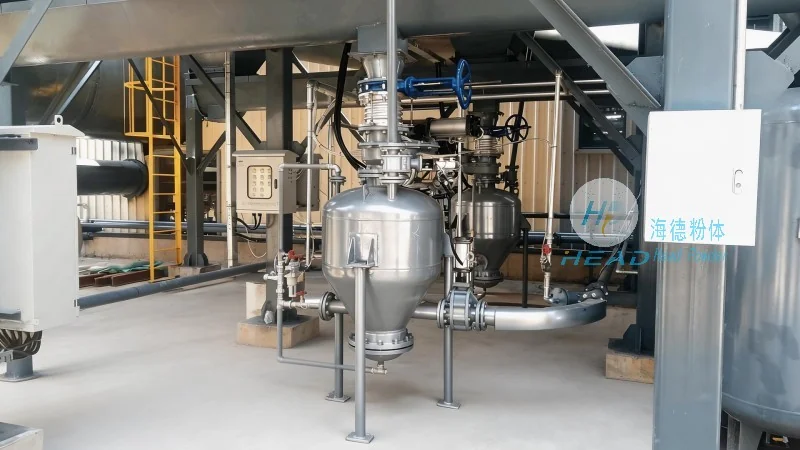
Key Considerations for Selecting a Pneumatic Conveying System
When selecting a pneumatic conveying system for micropowder handling, several factors must be considered to ensure optimal performance. The first is the powder's physical properties, including particle size, density, and flowability. These characteristics determine the type of system that is most suitable—for example, cohesive or low-density powders may require specialized equipment. The second factor is the required throughput and distance of transport. For high throughput and short distances, positive pressure systems are often preferred, while for longer distances or applications requiring dust control, negative pressure systems are more appropriate. The third consideration is the operational environment, including the need for dust containment or explosion-proof design. HeadPowder's engineering team works closely with clients to assess these factors and design a system that meets all regulatory and operational requirements.
Advantages of Pneumatic Conveying Systems
Pneumatic conveying systems offer several advantages over traditional material handling methods. One of the primary benefits is the ability to handle fine powders without the need for mechanical contact, which reduces the risk of contamination and product degradation. The systems are also highly flexible, allowing for changes in the layout or process flow without significant modifications. Additionally, pneumatic conveying is energy-efficient compared to other methods, such as belt conveyors, especially for short to medium distances. The systems are also relatively compact, requiring less floor space compared to other bulk handling equipment. HeadPowder's systems are designed to maximize these advantages, providing clients with reliable and cost-effective solutions for their micropowder handling needs.