

Cellulose Positive Pressure and Negative Pressure Conveying: A Comparative Analysis of Two Pneumatic
Pneumatic conveying is a critical technology in the processing and handling of bulk materials, including cellulose. This method involves transporting solid particles through a pipeline using air or other gases. For cellulose, which is often used in paper manufacturing, food products, and other industries, selecting the right conveying system is essential for efficiency, cost-effectiveness, and material integrity. Two primary approaches dominate the industry: positive pressure conveying and negative pressure conveying. Each has distinct characteristics, advantages, and applications that make them suitable for different operational scenarios.
Positive Pressure Conveying Systems
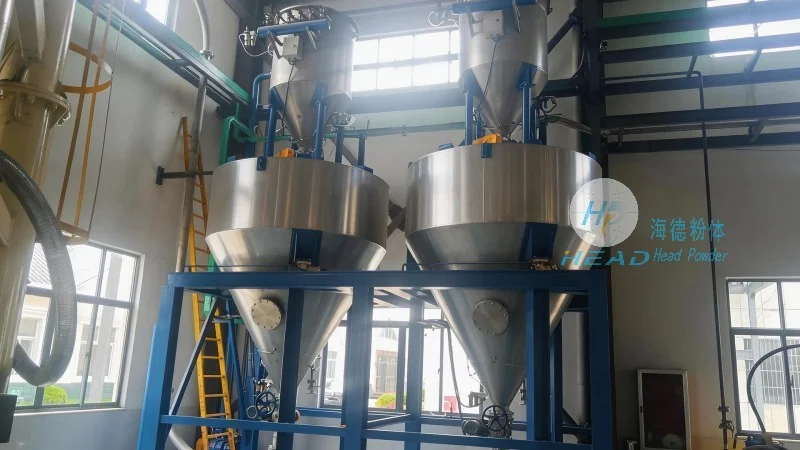
Positive pressure conveying, also known as pressure pneumatic conveying, operates by blowing air or gas into the conveying line, creating a pressure higher than the ambient atmosphere. This method is particularly effective for transporting materials over long distances or through complex piping networks. In the context of cellulose, positive pressure systems are often preferred when the material needs to be moved from a central storage area to multiple processing units. The high pressure ensures consistent flow rates and reduces the risk of material degradation due to friction or moisture exposure. Companies like Shandong HeadPowder Engineering Co., Ltd. specialize in designing and implementing such systems, tailoring them to meet specific production requirements. The engineering team at HeadPowder focuses on optimizing the pressure levels, pipeline design, and air filtration to maximize efficiency while minimizing energy consumption.
Negative Pressure Conveying Systems
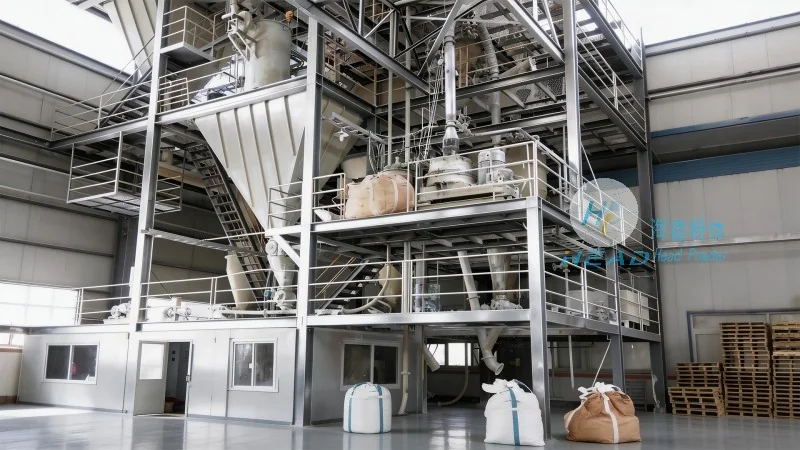
Negative pressure conveying, or vacuum pneumatic conveying, works by creating a vacuum in the conveying line, drawing material from the source into the system. This approach is ideal for applications where the material is generated at a single point and needs to be collected and transported to a central processing unit. Negative pressure systems are commonly used in environments where dust control is a priority, as the sealed pipeline prevents emissions. For cellulose, negative pressure conveying can be advantageous when dealing with fine powders that are prone to clogging or when the material is sensitive to high pressure. The system design at Shandong HeadPowder Engineering Co., Ltd. incorporates advanced vacuum technology and material handling components to ensure reliable operation and minimal downtime. Engineers at HeadPowder evaluate factors such as material density, particle size, and moisture content to select the appropriate vacuum levels and equipment.
Comparative Analysis and Practical Considerations
When deciding between positive and negative pressure conveying for cellulose, several factors must be considered. The distance and layout of the conveying route are primary determinants. Positive pressure systems are generally more suitable for longer distances, while negative pressure is better for shorter, more direct paths. Cost is another critical factor; positive pressure systems may require more robust equipment and higher energy input, whereas negative pressure systems can be less expensive to install but may have higher maintenance costs due to the vacuum components. Material characteristics, including flowability, moisture content, and potential for dust generation, also influence the choice. For example, if the cellulose is highly abrasive or prone to clogging, a positive pressure system with larger diameter pipes and specialized valves might be necessary. Conversely, if the material is fine and dusty, a negative pressure system with efficient filtration and dust collection is preferable. Operational flexibility is another consideration; some facilities may need to switch between different materials or production rates, which can be accommodated by modular positive or negative pressure systems designed by Shandong HeadPowder Engineering Co., Ltd.
About HeadPowder Engineering
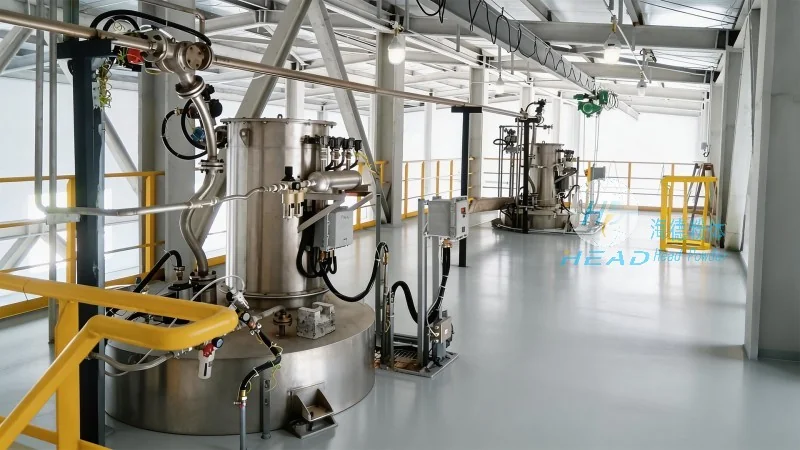
Shandong HeadPowder Engineering Co., Ltd. is a leading provider of pneumatic conveying solutions for industries handling bulk materials, including cellulose. With operations based in China, the company has extensive experience in designing, manufacturing, and installing both positive and negative pressure conveying systems. The team at HeadPowder combines technical expertise with customer-centric approaches to deliver customized solutions that meet specific operational needs. By focusing on material science, engineering principles, and practical application, HeadPowder ensures that its systems are not only efficient but also durable and cost-effective. The company’s commitment to quality and innovation has made it a trusted partner for businesses seeking reliable and sustainable material handling solutions. Whether for new installations or system upgrades, HeadPowder Engineering offers comprehensive services, from initial consultation and design to installation and ongoing support.