

Positive Pressure and Negative Pressure Conveying of Chilli Powder: A Comparative Analysis of Two Pn
HeadPowder, a leading engineering company based in Shandong, China, specializes in the design and implementation of advanced material handling solutions. In the context of conveying chilli powder, two primary pneumatic conveying methods are widely utilized: positive pressure conveying and negative pressure conveying. This article provides a detailed comparison of these two approaches, highlighting their operational principles, advantages, disadvantages, and practical applications within the industry.
Understanding Pneumatic Conveying for Chilli Powder
Pneumatic conveying systems are essential for transporting bulk materials like chilli powder, which require efficient, hygienic, and dust-free handling. These systems use air or gas to move materials through a pipeline network. The choice between positive and negative pressure systems depends on factors such as material properties, system layout, and operational requirements.
Positive Pressure Conveying: The Forward Air Flow Approach
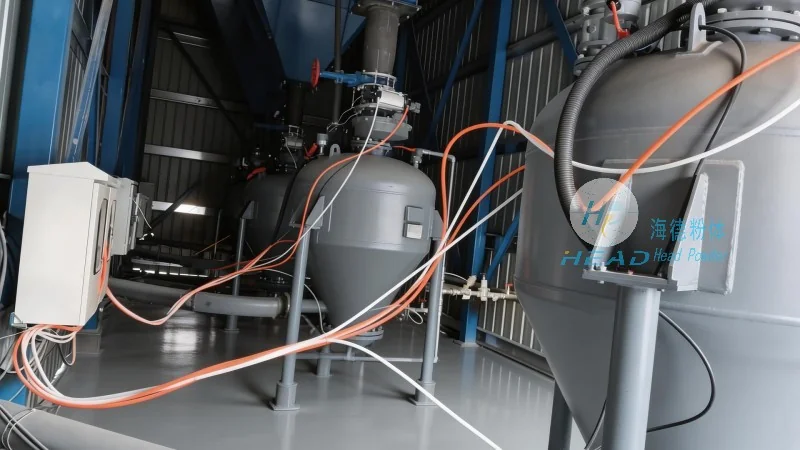
Positive pressure conveying, also known as pressure pneumatic conveying, operates by blowing air into the conveying line at a higher pressure than the ambient environment. This method pushes the material forward through the pipeline. The system typically includes a blower or compressor that generates the required pressure, with the material being drawn into the line from a hopper or storage silo.
One of the key advantages of positive pressure conveying is its ability to handle materials with high moisture content or those that are prone to caking. The high pressure ensures that the material is fully suspended and transported without blockages. Additionally, this method is suitable for long-distance conveying and can accommodate multiple transfer points without significant pressure loss.
However, positive pressure systems may pose challenges related to air leakage and pressure maintenance. Proper sealing and regular maintenance are crucial to prevent material loss and ensure system efficiency. The high pressure also requires robust pipeline and equipment, which can increase initial investment costs.
Negative Pressure Conveying: The Suction Air Flow Approach
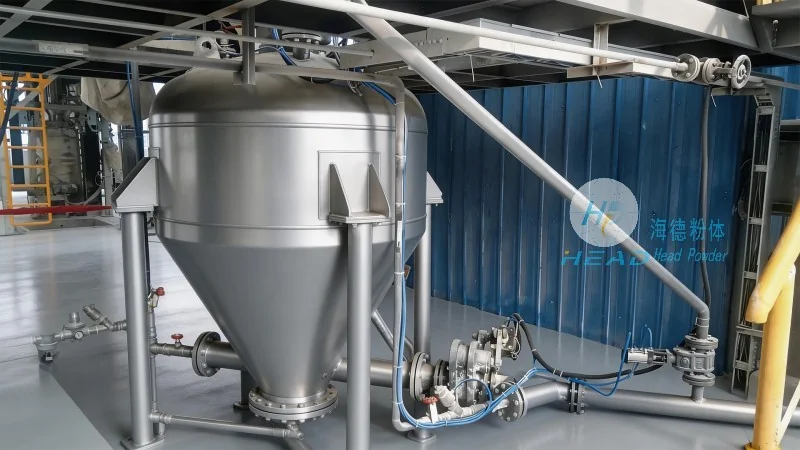
Negative pressure conveying, or vacuum pneumatic conveying, works by creating a vacuum in the conveying line, drawing material from the source into the system. The material is then transported to the destination by the suction force. This method is often used for short to medium-distance conveying and is particularly effective for handling fine powders that are light and easily entrained by air.
A major advantage of negative pressure conveying is its ability to handle materials that are sensitive to pressure changes or those that require a clean environment. The system can be designed with minimal air leakage, reducing the risk of dust contamination in the surrounding area. It is also more energy-efficient for short distances, as the vacuum is generated by a smaller vacuum pump compared to the high-pressure blower in positive pressure systems.
Nevertheless, negative pressure conveying has limitations, especially when dealing with large quantities or abrasive materials. The vacuum system may struggle to maintain suction over long distances, leading to material deposition or blockages. Additionally, the system is more susceptible to clogging if the material contains high levels of moisture or agglomerates.
Comparative Analysis: Key Factors to Consider
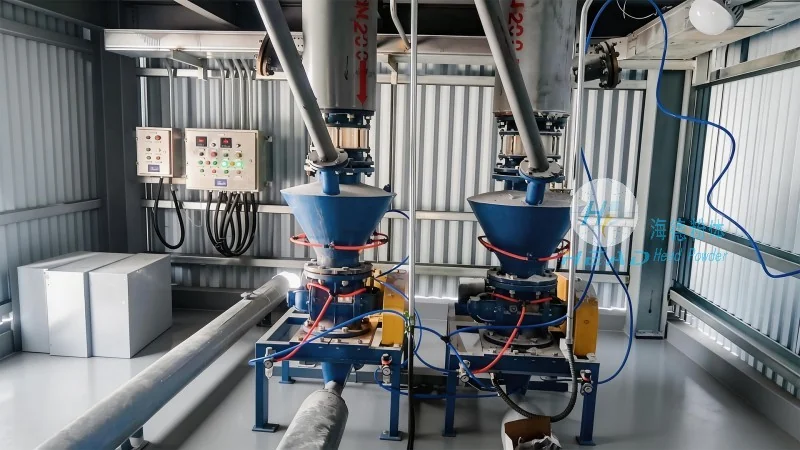
When deciding between positive and negative pressure conveying for chilli powder, several factors must be evaluated. The first consideration is the material characteristics, including particle size, moisture content, and flowability. For example, if the chilli powder is fine and has high moisture, positive pressure may be more effective due to its ability to handle caking. Conversely, if the powder is light and requires a clean environment, negative pressure might be preferable.
System layout and distance are also critical. Positive pressure is ideal for long-distance conveying with multiple transfer points, while negative pressure is better suited for shorter distances and simpler layouts. The available space and infrastructure also play a role; positive pressure systems may require more space for the blower and larger pipelines, whereas negative pressure systems can be more compact.
Operational costs and maintenance are additional factors. Positive pressure systems generally have higher energy consumption due to the high-pressure blower, but they may have lower maintenance costs for the vacuum pump in negative pressure systems. The choice also depends on the scale of production and the volume of material to be conveyed. For large-scale operations, positive pressure might offer better throughput, while negative pressure could be more cost-effective for smaller batches.
Conclusion: Selecting the Right Conveying Method
Both positive and negative pressure pneumatic conveying systems offer viable solutions for handling chilli powder, each with its own set of advantages and limitations. The optimal choice depends on a comprehensive evaluation of material properties, system requirements, and operational constraints. HeadPowder, with its expertise in engineering customized material handling solutions, can assist clients in selecting and implementing the most suitable conveying method for their specific needs, ensuring efficient, reliable, and cost-effective material transport.