

Quartz Stone Positive Pressure and Negative Pressure Conveying: A Comparative Analysis of Two Pneuma
HeadPowder, a leading engineering firm based in Shandong, China, specializes in the design and implementation of advanced material handling solutions. Among the various applications, the efficient transportation of quartz stone through pneumatic conveying systems is a critical aspect for many industries. This article provides a detailed comparison between positive pressure and negative pressure conveying methods, highlighting their respective advantages, limitations, and practical applications in the quartz stone industry.

Introduction to Pneumatic Conveying Systems
Pneumatic conveying is a widely used technique for transporting bulk materials like quartz stone over short to medium distances. It involves the use of air or gas to move particles through a pipeline system. The two primary methods are positive pressure and negative pressure systems, each with distinct operational principles and suitability for different scenarios.
Positive Pressure Conveying Systems
Positive pressure conveying operates by blowing air or gas into the conveying line, creating a pressure higher than the ambient air. The material is then drawn into the pipeline and transported to the destination. This method is particularly effective for conveying materials over longer distances or when the material is sensitive to air exposure. In the context of quartz stone, positive pressure systems are often preferred for applications where the material needs to be transported from a central storage area to multiple processing points or for long-distance transport to a processing facility.
Key advantages of positive pressure systems include their ability to handle a wide range of particle sizes and moisture content, as well as their suitability for abrasive materials like quartz stone. The pressurized air ensures that the material is moved efficiently without clogging the pipeline. Additionally, positive pressure systems can be designed to operate at higher velocities, which can reduce the risk of material degradation during transport.
However, positive pressure systems require more robust equipment, such as high-pressure blowers and more durable pipelines, to withstand the higher pressure. They also generate more noise and may require additional filtration systems to manage dust emissions. The initial investment and maintenance costs are generally higher compared to negative pressure systems.
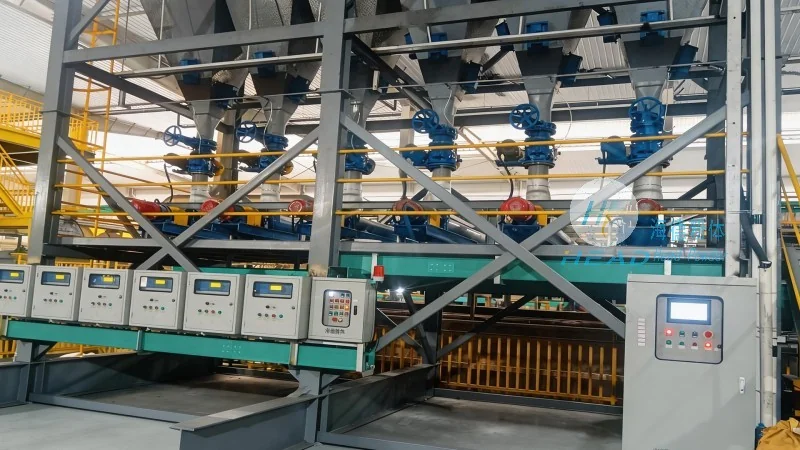
Negative Pressure Conveying Systems
Negative pressure conveying, also known as suction conveying, works by creating a vacuum in the conveying line, which draws the material into the pipeline. The material is then transported to the destination where the pressure is released. This method is ideal for applications where the material needs to be collected from multiple points or for short-distance transport within a processing facility.
One of the main advantages of negative pressure systems is their lower operational pressure, which reduces the risk of material degradation and makes them more suitable for delicate or moisture-sensitive materials. They are also generally quieter and require less powerful equipment compared to positive pressure systems. The lower pressure also means that the pipelines can be made from lighter materials, reducing the overall system cost.
Nevertheless, negative pressure systems have limitations, particularly when dealing with abrasive or high-density materials like quartz stone. The vacuum created can lead to higher friction losses and increased wear on the pipeline and components. Additionally, the system is more susceptible to clogging if the material contains large particles or high moisture content. The suction power is also limited by the distance and the number of collection points, making it less suitable for long-distance transport.
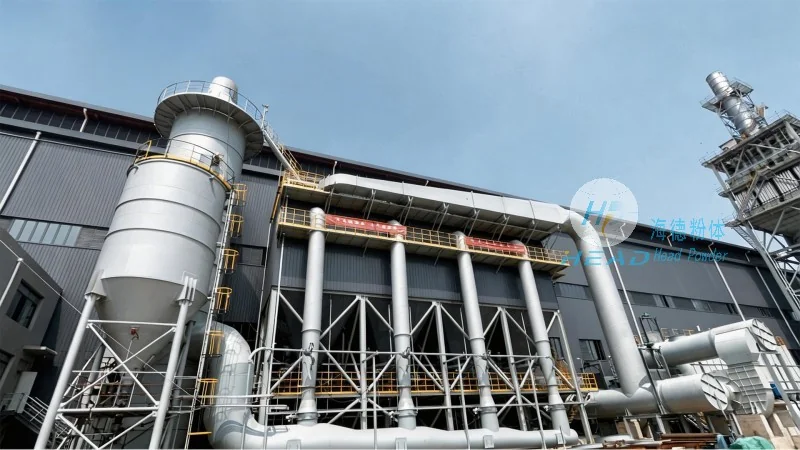
Comparative Analysis: Positive vs. Negative Pressure Conveying
When selecting between positive and negative pressure conveying systems for quartz stone, several factors must be considered. The primary considerations include the distance of transport, the material characteristics (such as particle size, moisture content, and abrasiveness), the number of collection points, and the overall system cost.
For long-distance transport or when the material needs to be transported from a central point to multiple destinations, positive pressure systems are often the better choice due to their higher conveying capacity and ability to handle abrasive materials. They are also more suitable for applications where the material is sensitive to air exposure, as the pressurized air can help maintain the material's quality.
On the other hand, negative pressure systems are more appropriate for short-distance transport within a processing facility or when the material needs to be collected from multiple points. They are ideal for applications where the material is delicate or moisture-sensitive, as the lower pressure reduces the risk of degradation. The lower cost and quieter operation also make them a favorable option for smaller-scale operations.
Conclusion
Both positive and negative pressure pneumatic conveying systems have their unique advantages and are suitable for different applications in the quartz stone industry. The choice between the two depends on the specific requirements of the operation, including distance, material characteristics, and budget constraints. By understanding the operational principles and limitations of each system, companies can select the most efficient and cost-effective solution for their material handling needs. HeadPowder, with its expertise in engineering and material handling solutions, can provide tailored systems that optimize the conveying process for quartz stone, ensuring efficient and reliable operation.