

Choosing Between Positive Pressure and Negative Pressure for PTA Powder Pneumatic Conveying: How to
When it comes to handling PTA powder through pneumatic conveying systems, the choice between positive pressure and negative pressure methods is a critical decision that impacts efficiency, cost, and operational safety. Understanding the distinctions and applications of each approach is essential for selecting the most suitable solution for specific industrial needs.
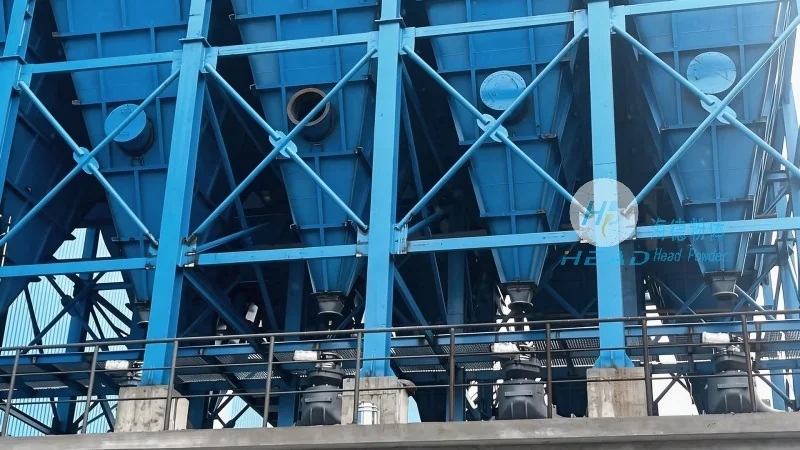
Understanding PTA Powder and Pneumatic Conveying Basics
PTA, or Purified Terephthalic Acid, is a key raw material in the production of polyester fibers and resins. Its fine powder form requires specialized handling due to its abrasive nature and potential for dust generation. Pneumatic conveying, which uses air to transport solid particles, offers a flexible and often cost-effective method compared to traditional mechanical systems. However, the design of the conveying system—whether positive or negative pressure—plays a pivotal role in determining performance and suitability.
Positive Pressure Pneumatic Conveying Systems
Positive pressure systems operate by blowing air or a gas mixture into the conveying line, creating a pressure higher than the ambient environment. This method is particularly effective for transporting PTA powder over long distances or through complex network configurations. The high-pressure air forces the powder particles to move through the pipeline, ensuring consistent flow and preventing clogging. A key advantage of positive pressure is its ability to handle abrasive materials like PTA without excessive wear on system components. Additionally, these systems can be integrated with dust collection and filtration equipment, enhancing overall safety and compliance with environmental regulations.
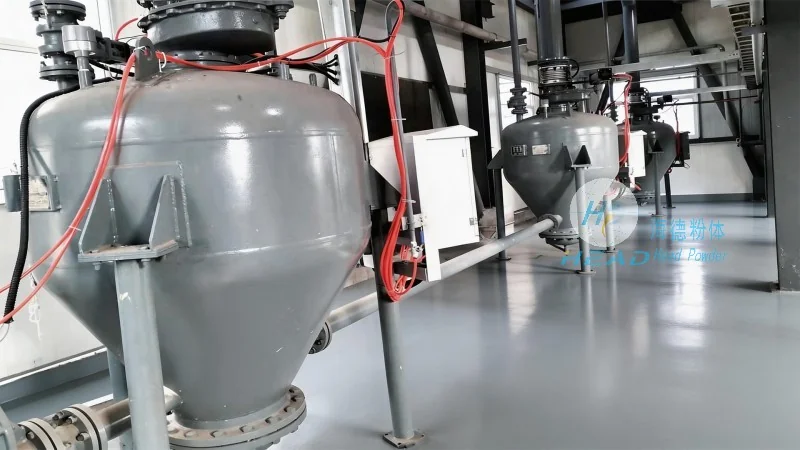
Negative Pressure Pneumatic Conveying Systems
Conversely, negative pressure systems draw air and PTA powder from the material source into a vacuumed pipeline. The system maintains a lower pressure than the surrounding atmosphere, creating suction that pulls the powder along the line. This approach is often preferred for applications where the material is to be collected from a central point or where the source is located in a controlled environment. Negative pressure systems are generally more compact and can be installed in confined spaces, making them suitable for facilities with limited floor space. However, they may require more robust filtration to prevent dust accumulation and ensure air quality compliance.
Distinguishing Between the Two Methods
The primary difference between positive and negative pressure systems lies in the direction of air flow and the pressure differential. Positive pressure systems push material through the line, while negative pressure systems pull it. This distinction directly impacts the system's energy consumption, as positive pressure typically requires more power to maintain higher pressures. Conversely, negative pressure systems may be more energy-efficient for shorter conveying distances. Another critical factor is the risk of dust exposure; positive pressure systems can release particles into the environment if not properly sealed, whereas negative pressure systems can create a vacuum that draws in contaminants if not adequately filtered.
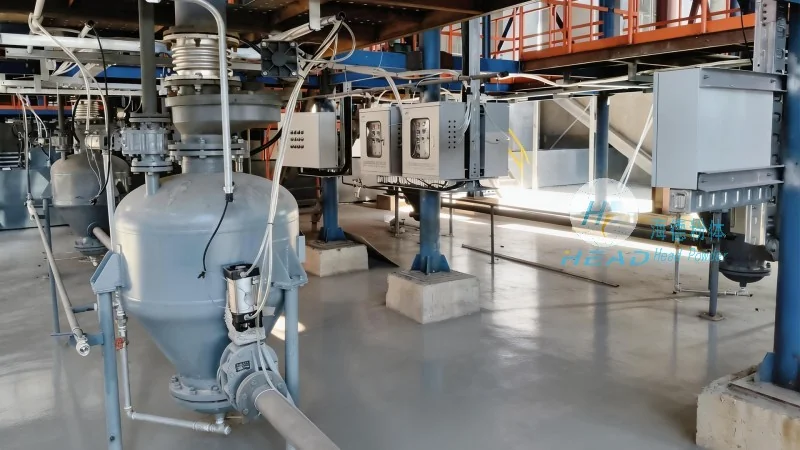
Factors to Consider When Choosing a System
Several factors should guide the selection of a pneumatic conveying system for PTA powder. The distance and layout of the conveying path are fundamental considerations. For long or complex routes, positive pressure may be more efficient due to its ability to maintain consistent pressure. Conversely, if the material is to be collected from multiple points or the source is in a confined area, negative pressure could be more practical. The nature of the PTA powder itself, including its particle size, moisture content, and abrasiveness, also influences the choice. Finer particles or highly abrasive materials may benefit from the robust design of positive pressure systems, which can handle higher flow rates and pressure differentials. Additionally, the available space for system installation and the existing infrastructure of the facility play a role in determining whether a positive or negative pressure system is feasible.
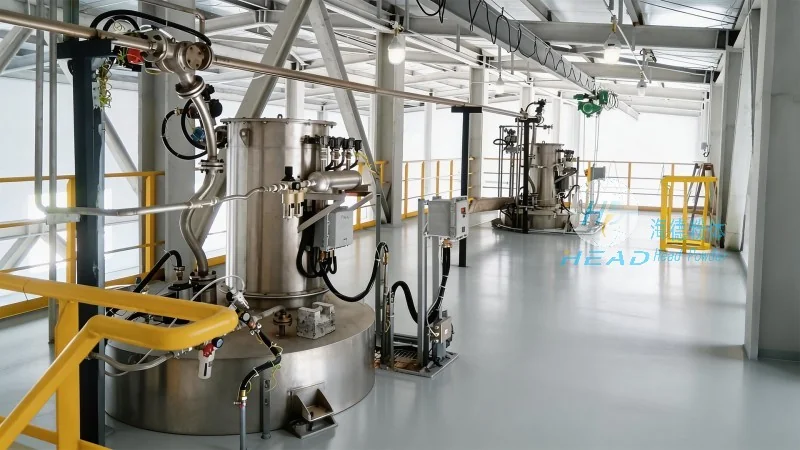
HeadPowder Engineering's Expertise in PTA Powder Conveying
Shandong HeadPowder Engineering Co., Ltd., a leading provider of pneumatic conveying solutions, specializes in designing and implementing systems tailored to the unique requirements of PTA powder handling. With a deep understanding of both positive and negative pressure technologies, the company offers customized solutions that optimize performance, reduce operational costs, and enhance safety. HeadPowder's engineers assess factors such as material characteristics, conveying distance, and facility constraints to recommend the most appropriate system configuration. The company's commitment to quality and innovation ensures that clients receive systems that meet industry standards and regulatory requirements.
Conclusion: Making the Right Choice for PTA Powder Conveying
Choosing between positive and negative pressure pneumatic conveying for PTA powder requires a thorough evaluation of operational needs, material properties, and system constraints. Positive pressure systems excel in long-distance or complex applications, offering robust performance and high flow rates. Negative pressure systems, on the other hand, are ideal for shorter distances or confined spaces, providing energy efficiency and compact design. By understanding the distinctions and considering key factors, industrial facilities can select the most suitable conveying method to ensure efficient, safe, and cost-effective PTA powder handling. Shandong HeadPowder Engineering Co., Ltd. stands ready to provide expert guidance and tailored solutions to meet these challenges.