

What is Cement Dry Ash Pneumatic Conveying? An Introduction to the Working Principle of Powder Handl
Cement dry ash pneumatic conveying is a critical technology in the industrial sector, particularly for the efficient handling and transportation of bulk powders like cement and other dry materials. This method involves using air as the primary medium to transport solid particles through a pipeline system. Understanding the working principle of such systems is essential for industries that rely on consistent and reliable material movement, ensuring operational efficiency and cost-effectiveness.
Understanding Pneumatic Conveying Systems
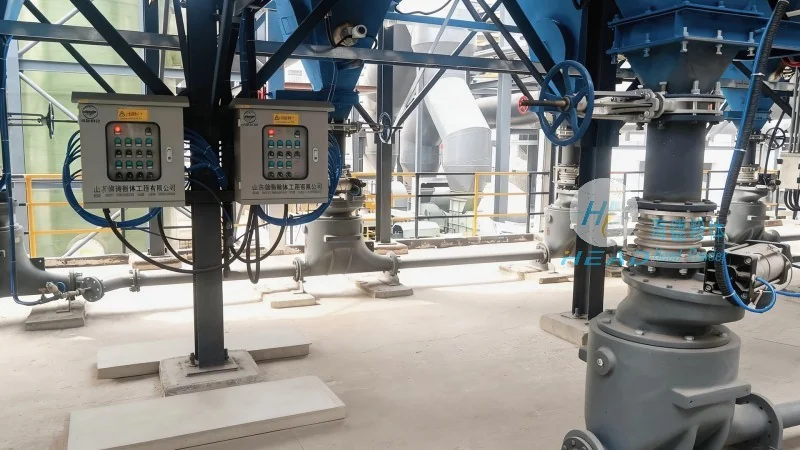
Pneumatic conveying systems, as the name suggests, utilize compressed air or other gases to move dry powders through a network of pipes. Unlike traditional mechanical systems that rely on belts, screws, or buckets, pneumatic conveyors offer several advantages, including the ability to transport materials over long distances, handle a wide range of particle sizes, and maintain a clean and dust-free environment. The core components of a typical pneumatic conveying system include a material feed hopper, a conveying line, a control valve, and a discharge unit. The process begins when dry cement or ash is fed into the hopper, where it is then drawn into the conveying line by the pressure differential created by the air flow.
Key Components and Their Functions
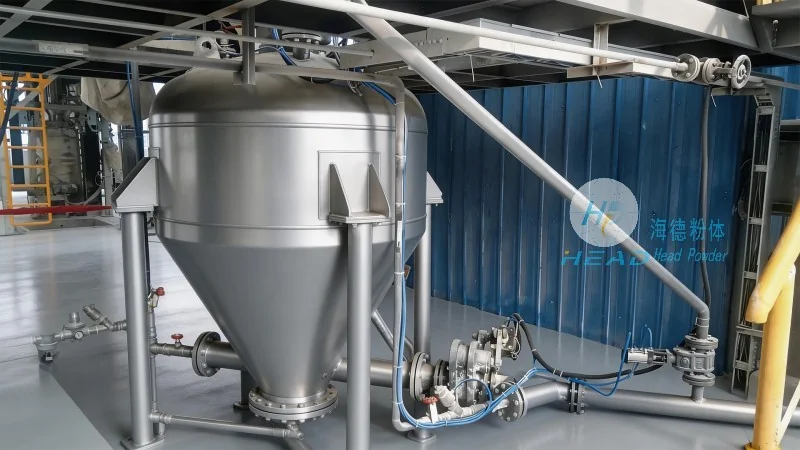
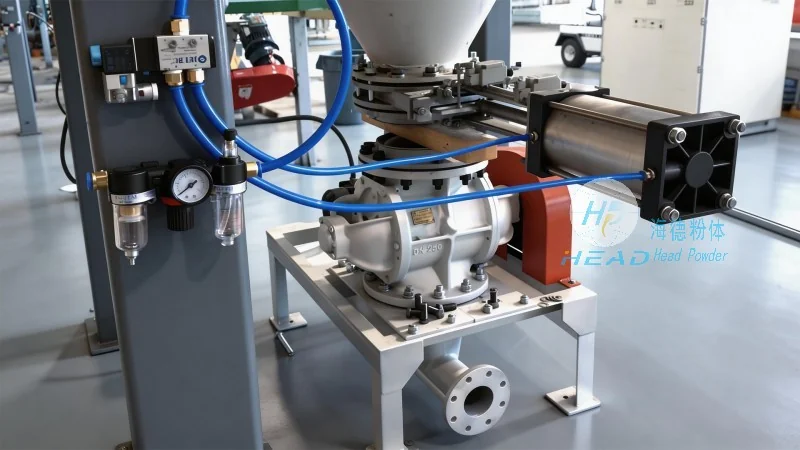
The effectiveness of a pneumatic conveying system largely depends on its key components, each playing a vital role in the overall operation. The material feed hopper is designed to store and meter the bulk material, ensuring a steady flow into the system. It often includes a feeder mechanism, such as a rotary valve or a screw feeder, which controls the rate of material discharge. The conveying line, typically made of stainless steel or other corrosion-resistant materials, is where the material and air travel together. The air pressure and flow rate are managed by a control valve, which can be adjusted to optimize the conveying speed and efficiency. The discharge unit, located at the end of the line, separates the material from the air and collects it in a receiving container. This separation is crucial for maintaining the purity of the material and preventing contamination.
How Pneumatic Conveying Works: The Process Breakdown
The working principle of a cement dry ash pneumatic conveying system can be broken down into several stages. Initially, the dry material is introduced into the feed hopper. A feeder then meters the material into the conveying line, where it is mixed with high-pressure air. The air, moving at a high velocity, entrains the particles and propels them through the pipeline. As the material travels, it may encounter various components, such as bends or filters, which help maintain the flow and prevent blockages. The air and material mixture then reaches the discharge unit, where the air is separated from the solid particles. This separation is often achieved through a cyclone separator or a bag filter, depending on the system design. The separated material is collected in a container, while the air is either vented to the atmosphere or recirculated back into the system to improve efficiency.
Advantages of Pneumatic Conveying for Cement and Dry Ash
Compared to other material handling methods, pneumatic conveying offers several benefits that make it ideal for transporting cement and other dry powders. One of the primary advantages is its ability to handle materials over long distances without the need for multiple transfer points. This reduces the risk of material degradation and ensures a consistent flow rate. Additionally, pneumatic systems are less prone to clogging and blockages, as the air flow helps keep the particles in suspension. This makes them suitable for handling abrasive or sticky materials, which can be challenging for mechanical systems. Another significant benefit is the cleanliness and dust control provided by these systems. By containing the material within a sealed pipeline, the risk of dust emissions and environmental contamination is minimized, making them more environmentally friendly and safer for operators.
Applications in Cement Production and Processing
The application of cement dry ash pneumatic conveying is widespread in the cement industry, where it plays a crucial role in various stages of production and processing. In cement plants, these systems are used to transport raw materials, such as limestone and clay, from storage silos to the grinding mills. They are also employed to move finished cement products from the production line to storage silos or shipping containers. Additionally, pneumatic conveyors are used in the handling of byproducts, such as fly ash and slag, which are often used as supplementary cementitious materials in concrete production. The ability to handle these materials efficiently and safely makes pneumatic conveying an indispensable part of modern cement processing operations.
HeadPowder: A Leading Provider of Pneumatic Conveying Solutions
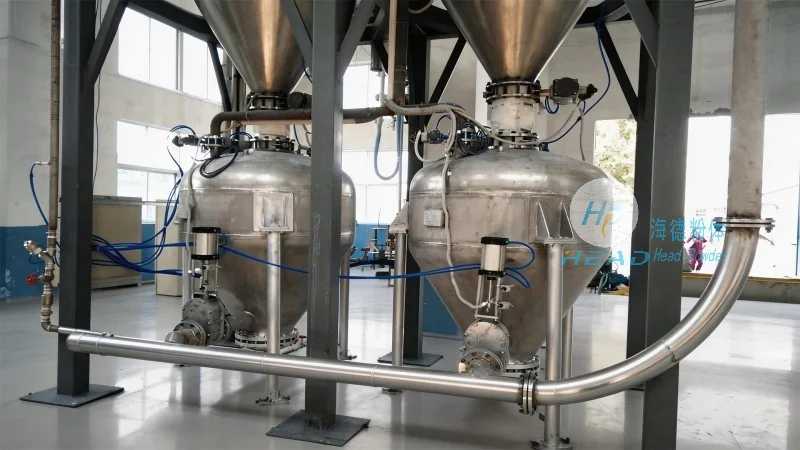
Shandong HeadPowder Engineering Co., Ltd., commonly known as HeadPowder, is a reputable company based in China that specializes in the design, manufacturing, and installation of pneumatic conveying systems. With years of experience in the industry, HeadPowder has developed a range of solutions tailored to the specific needs of cement and dry ash handling. The company's expertise lies in providing customized systems that meet the unique requirements of each client, ensuring optimal performance and reliability. HeadPowder's products are known for their durability, efficiency, and ease of maintenance, making them a preferred choice for industries that demand high-quality material handling solutions. The company's commitment to innovation and customer satisfaction has earned it a strong reputation in the market, with clients relying on their systems for consistent and reliable operation.
Conclusion: The Importance of Efficient Material Handling
In conclusion, cement dry ash pneumatic conveying is a vital technology for the efficient and safe transportation of bulk powders in the cement industry. By understanding the working principles and advantages of pneumatic conveying systems, industries can improve their operational efficiency, reduce costs, and enhance safety. Companies like Shandong HeadPowder Engineering Co., Ltd. play a crucial role in providing the necessary equipment and expertise to implement these systems effectively. As the demand for reliable material handling solutions continues to grow, pneumatic conveying remains a preferred choice for industries seeking to optimize their processes and achieve long-term success.