

What is Tailings Powder Slag Pneumatic Conveying? An Introduction to the Working Principle of Powder
When it comes to transporting tailings and slag powders, the efficiency and reliability of the conveying system are critical factors in industrial operations. Pneumatic conveying, a technology that uses air or gas to transport particulate materials, has emerged as a preferred solution for handling tailings powder slag. This article provides an in-depth look at the concept of tailings powder slag pneumatic conveying and explains the fundamental working principles of powder handling systems.
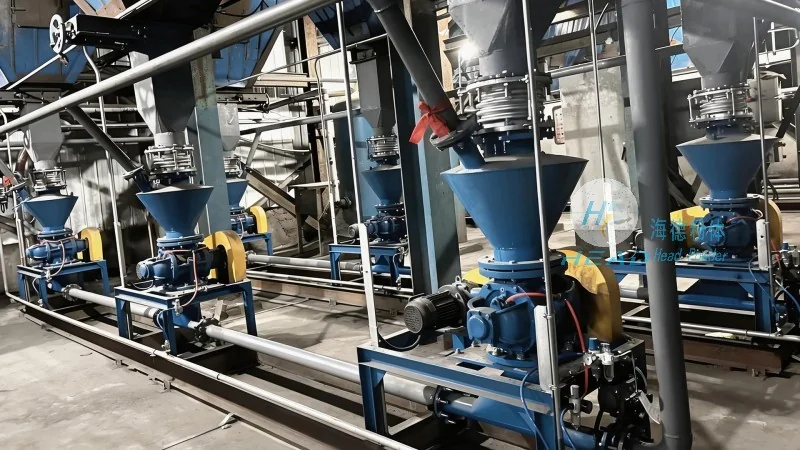
Understanding Tailings Powder Slag Pneumatic Conveying
Tailings powder slag refers to the fine particulate materials generated during mining and mineral processing operations. These materials, often consisting of crushed rock, ore, and other byproducts, need to be transported from one location to another for further processing, storage, or disposal. Traditional methods such as belt conveyors or bucket elevators may struggle with the fine nature of these powders, leading to issues like dust generation, material degradation, and operational inefficiencies. Pneumatic conveying offers a more effective solution by utilizing air pressure to move the powders through a pipeline system.
The Working Principle of Pneumatic Conveying Systems
The core of a pneumatic conveying system is the ability to transport bulk materials through a pipeline using air or gas. The system typically consists of several key components, including a material feed hopper, a conveying line, a gas source (usually a blower or compressor), and a discharge point. The process begins with the material being fed into the hopper. As air is introduced into the system, it creates a flow that lifts and transports the powder particles through the pipeline. The air velocity must be sufficient to overcome the gravitational force and any friction within the system, ensuring the material moves smoothly and without clogging.
There are two main types of pneumatic conveying systems: dilute-phase and dense-phase. Dilute-phase systems operate at higher air velocities, typically moving materials at a low concentration, making them suitable for long-distance and high-capacity applications. Dense-phase systems, on the other hand, operate at lower air velocities with a higher material concentration, which is ideal for handling sensitive materials or materials that are prone to degradation during transport.
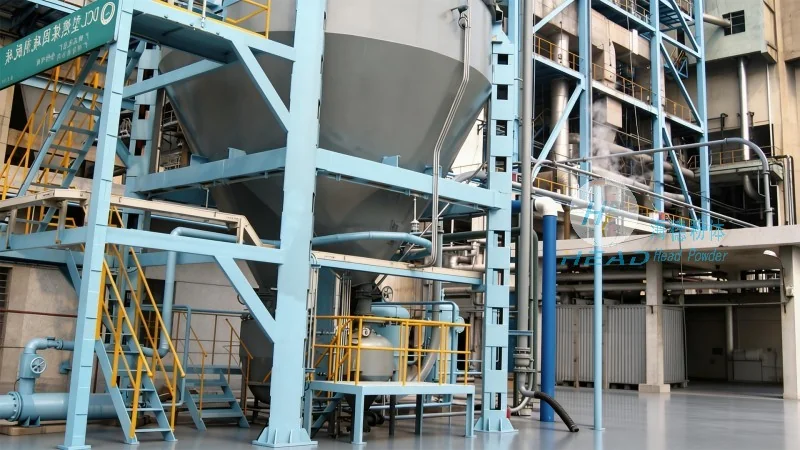
Key Components of a Tailings Powder Slag Pneumatic Conveying System
For a pneumatic conveying system to function effectively, several essential components must be integrated. The material feed hopper is responsible for storing and feeding the tailings powder slag into the system. It often includes a feeder mechanism, such as a rotary valve or a screw feeder, to control the flow rate and prevent material buildup. The conveying line, usually made of stainless steel or other corrosion-resistant materials, is designed to withstand the abrasive nature of the powders and the pressure of the air flow. The gas source, typically a positive displacement blower or a centrifugal fan, provides the necessary air pressure and volume to move the material. Finally, the discharge point, which may include a cyclone separator or a filter, separates the material from the air and directs it to the intended destination.
Benefits of Using Pneumatic Conveying for Tailings Powder Slag
Implementing a pneumatic conveying system for tailings powder slag offers numerous advantages over traditional methods. First, it significantly reduces dust generation, improving workplace safety and environmental compliance. Unlike belt conveyors, which can create large clouds of dust, pneumatic systems contain the material within a sealed pipeline, minimizing exposure to airborne particles. Second, the system is highly efficient in terms of energy consumption and operational costs. By using air pressure to move the material, the system can achieve high throughput with lower energy requirements compared to mechanical conveyors. Third, pneumatic conveying is flexible and can be easily adapted to different layouts and distances. The pipeline can be routed around obstacles and extended to cover long distances without the need for additional equipment. Finally, the system is gentle on the material, preventing degradation or agglomeration that can occur with mechanical handling methods.
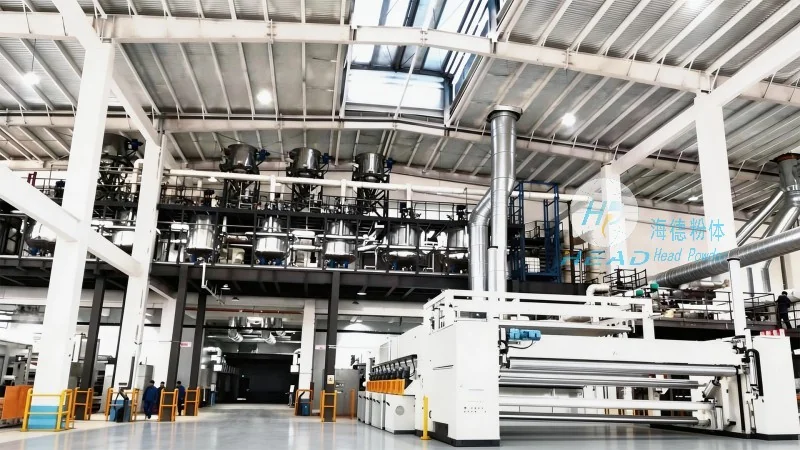
Applications of Tailings Powder Slag Pneumatic Conveying
The versatility of pneumatic conveying makes it suitable for a wide range of applications in the mining and mineral processing industry. It is commonly used to transport tailings from processing plants to storage facilities or disposal sites. The system can also be used to convey slag from steel mills or other industrial facilities, where the fine particles need to be moved to a treatment or recycling facility. Additionally, pneumatic conveying is used in the chemical and food industries for transporting powders that require a sterile and dust-free environment. The ability to handle both dry and wet powders makes it a versatile solution for various industrial needs.
Choosing the Right Pneumatic Conveying System for Your Needs
When selecting a pneumatic conveying system for tailings powder slag, several factors must be considered. The first is the material characteristics, including particle size, density, and moisture content. These factors will determine the type of system (dilute-phase or dense-phase) and the required air velocity and pressure. The second is the distance and layout of the conveying route. Longer distances may require a dense-phase system to maintain material flow, while shorter distances can use a dilute-phase system. The third is the required throughput and capacity. The system must be designed to handle the expected volume of material without causing bottlenecks or clogging. Finally, the environmental and safety requirements must be considered. The system should comply with local regulations regarding dust control and material handling.
Conclusion
Tailings powder slag pneumatic conveying is a highly effective and efficient method for transporting fine particulate materials in industrial settings. By understanding the working principles and key components of the system, industries can make informed decisions about implementing this technology to improve operational efficiency, reduce costs, and enhance safety. As the demand for sustainable and efficient mining practices grows, pneumatic conveying systems will continue to play a crucial role in the handling of tailings and slag powders.