

What is Oil Tea Seed Pneumatic Conveying? An Introduction to the Working Principle of Powder Handlin
Oil tea seed pneumatic conveying is a specialized method used in the handling and transportation of oil tea seeds, which are a key raw material in the production of cooking oil and other value-added products. This technology is part of a broader category of powder handling systems that utilize air or gas to move bulk materials through a pipeline network. Understanding the principles behind this system is crucial for industries involved in oilseed processing, as it directly impacts efficiency, cost-effectiveness, and product quality.
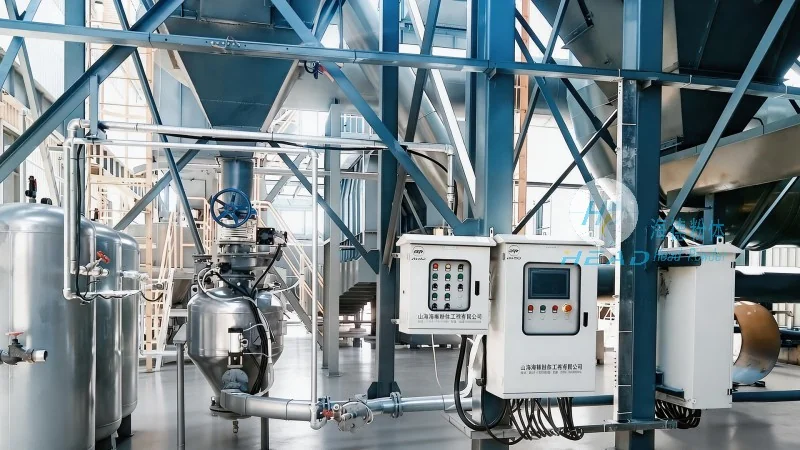
Understanding Pneumatic Conveying Systems
Pneumatic conveying systems are designed to transport solid materials like oil tea seeds from one location to another without the need for mechanical components such as belts or buckets. The core of the system relies on the creation of a pressure differential, which can be achieved through either positive pressure (where air is forced into the system) or negative pressure (where air is drawn out). For oil tea seed applications, positive pressure systems are more commonly used due to their ability to handle abrasive materials and maintain consistent flow rates.
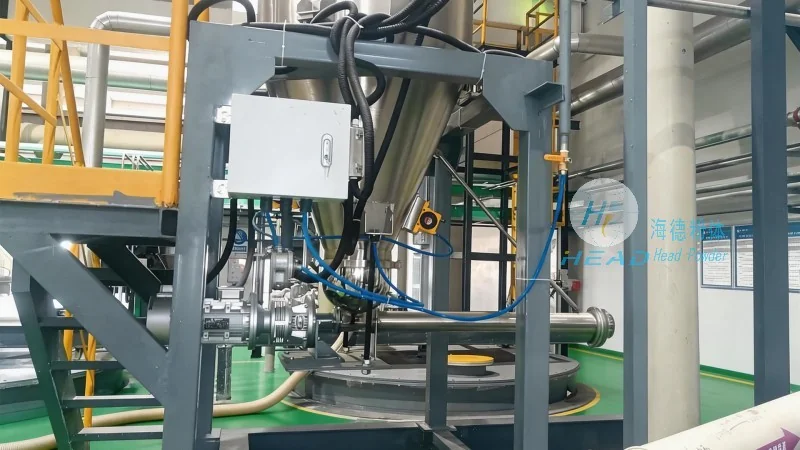
Key Components of an Oil Tea Seed Pneumatic Conveying System
The effectiveness of a pneumatic conveying system for oil tea seeds depends on several critical components working in tandem. These include the hopper or feeder, which stores and meters the seed supply; the conveying line, typically made of stainless steel or other corrosion-resistant materials to withstand the acidic and fatty nature of oil seeds; the air compressor or blower, which generates the necessary airflow; and the control valves and filters, which regulate the pressure and remove contaminants from the air stream. Each component is carefully selected to ensure durability and compatibility with the specific characteristics of oil tea seeds, such as their size, moisture content, and potential for dust generation.
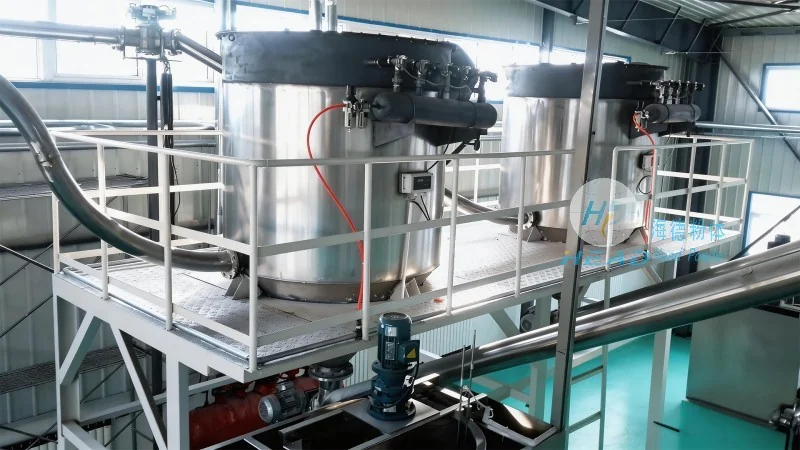
Working Principle: How It Transports Oil Tea Seeds
The process begins when oil tea seeds are fed into the hopper. The feeder then meters the seeds into the conveying line at a controlled rate. Simultaneously, the air compressor supplies compressed air into the line, creating a high-pressure environment. As the seeds enter the line, they are carried by the airflow, which lifts and transports them through the pipeline. The system may include bends, elbows, or other fittings to direct the flow, and the velocity of the air is carefully managed to prevent material degradation or blockages. At the destination, the seeds are discharged into a collection bin or processing unit, while the air is filtered and returned to the system or released into the atmosphere.
Advantages of Pneumatic Conveying for Oil Tea Seeds
Implementing a pneumatic conveying system for oil tea seeds offers several advantages over traditional mechanical methods. Firstly, it eliminates the need for manual handling, reducing labor costs and the risk of physical injury. Secondly, it provides a closed system that minimizes dust exposure and contamination, which is critical for maintaining the quality of the seeds and the final oil product. Thirdly, the system can be easily integrated with other processing equipment, such as cleaning or crushing machines, creating a seamless production line. Additionally, pneumatic conveying allows for precise control over the flow rate and pressure, ensuring consistent performance and preventing overloading or underloading of downstream equipment.
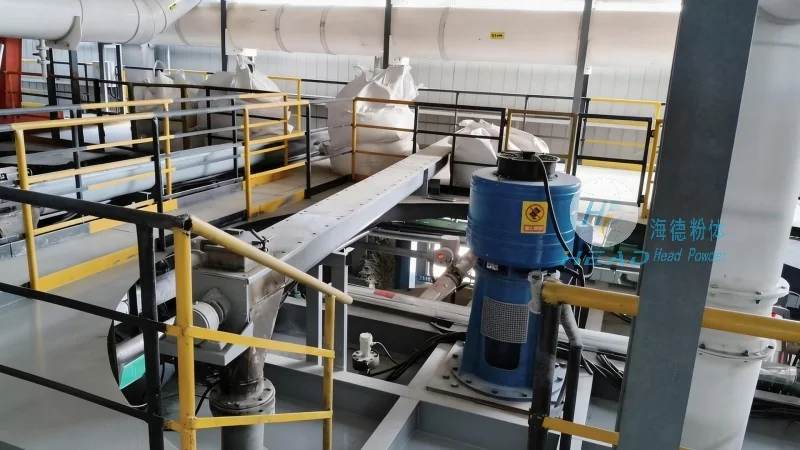
Applications in Oilseed Processing
Oil tea seed pneumatic conveying is widely used in various stages of oilseed processing. In the initial stages, it can transport raw seeds from storage silos to processing facilities. During the processing phase, it may be used to move seeds between cleaning, dehulling, and crushing operations. Finally, it can transport the processed seeds or oil residues to storage or disposal areas. The flexibility of the system allows it to adapt to different production scales, from small-scale artisanal operations to large industrial plants, making it a versatile solution for oil tea seed handling.