

Choosing Between Positive Pressure and Negative Pressure for Fly Ash Pneumatic Conveying: How to Dis
When it comes to transporting fly ash, a common challenge for industrial facilities is deciding between positive pressure and negative pressure pneumatic conveying systems. This decision impacts operational efficiency, equipment maintenance, and overall system reliability. Understanding the fundamental differences and key factors that influence the choice is crucial for selecting the most suitable solution for your specific application.
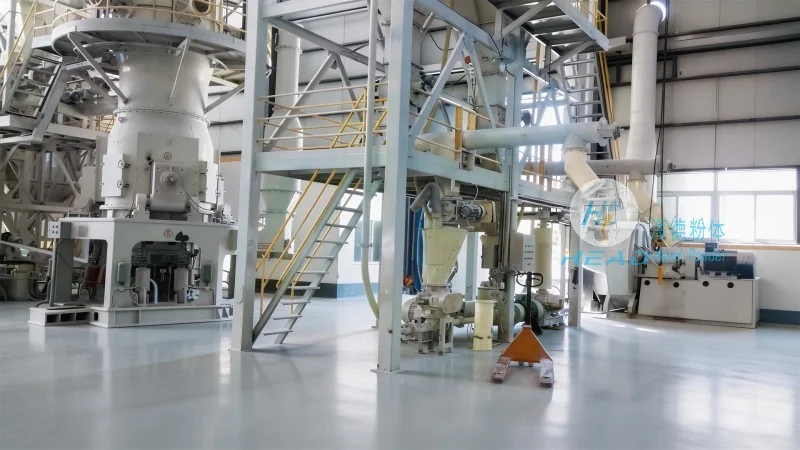
Understanding Positive Pressure and Negative Pressure Conveying
Positive pressure systems operate by generating air pressure within the conveying line, pushing material from the source to the destination. This method typically involves a blower or compressor that supplies compressed air to move the material. Conversely, negative pressure systems create a vacuum in the line, drawing material from the source and pulling it towards the receiver. The choice between these two approaches depends on several technical and practical aspects, including the distance of transport, material properties, and environmental considerations.
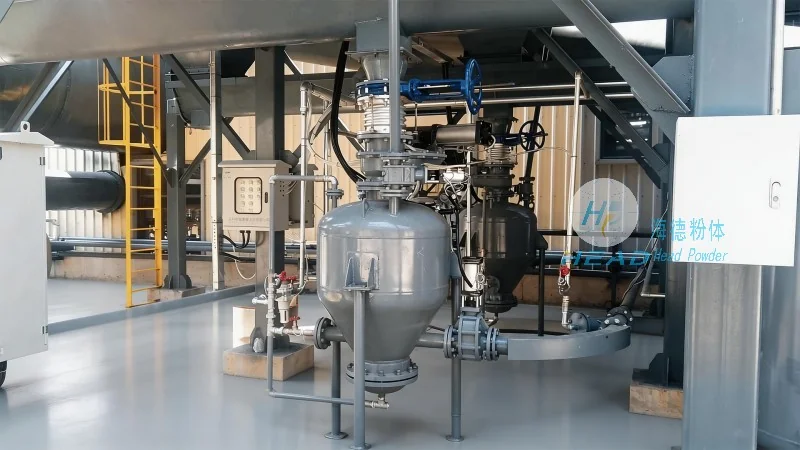
Key Differences Between Positive and Negative Pressure Systems
The primary difference lies in the direction of air flow and the pressure dynamics within the system. Positive pressure systems maintain a pressure higher than the ambient air, which can be beneficial for applications requiring high material throughput or long-distance transport. For example, in power plants where fly ash needs to be transported over several hundred meters, positive pressure systems are often preferred due to their ability to maintain consistent air velocity and overcome friction losses. Negative pressure systems, on the other hand, rely on suction to move material, often being more suitable for shorter distances or when the material is sensitive to pressure changes. Another critical distinction is the impact on the environment and equipment. Positive pressure systems typically require high-efficiency particulate air (HEPA) filters or other dust collection devices to prevent emissions, which adds to the initial investment but ensures compliance with environmental regulations. Negative pressure systems, if not properly sealed, can lead to dust leakage into the facility, posing health risks to workers and requiring additional containment measures.
Factors Influencing the Choice of Conveying System
Several factors should be considered when selecting between positive and negative pressure for fly ash conveying. The distance between the source and destination is a major factor; longer distances often favor positive pressure due to its ability to maintain higher air velocities and overcome friction losses. The nature of the fly ash itself, including its particle size, moisture content, and flowability, also plays a role. Coarser or more abrasive materials may require higher air velocities, which positive pressure systems can more easily achieve. Additionally, the layout of the facility and the presence of obstacles or vertical lifts can influence the choice. For instance, vertical lifts are more commonly used in positive pressure systems due to the need to overcome gravity with compressed air. The volume of material to be transported per hour is another key consideration; positive pressure systems are generally more efficient for high-volume applications, while negative pressure systems may be more suitable for lower volumes or intermittent transport.
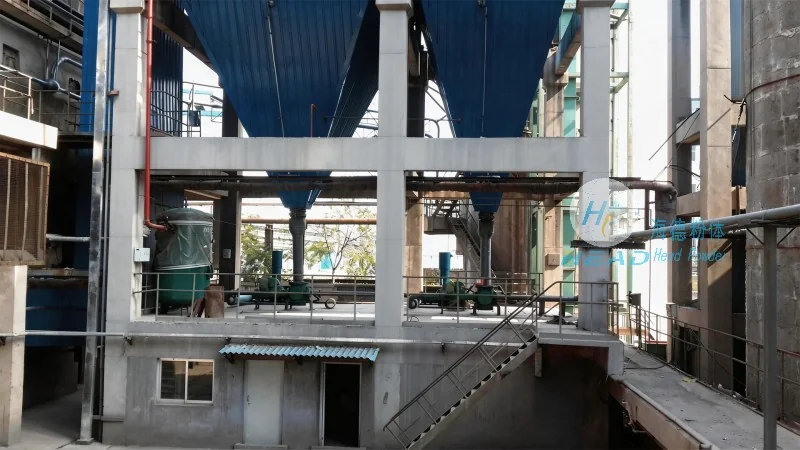
Practical Considerations for Selecting the Right System for Fly Ash
Practical considerations such as maintenance requirements and system complexity also impact the decision. Positive pressure systems may have higher initial costs due to the need for robust blowers and more extensive piping, but they can offer lower operating costs for high-volume applications. The maintenance of positive pressure systems typically involves regular checks on the blower, filter systems, and piping for leaks, which can be more frequent but manageable with proper preventive maintenance. Negative pressure systems, while potentially cheaper to install, may require more frequent maintenance of vacuum components and may be less efficient for large volumes. The availability of space and the need for dust control measures are also important. Companies like Shandong HeadPowder Engineering Co., Ltd., a leading provider in the field, offer comprehensive solutions that consider these factors to ensure optimal performance and reliability. Their expertise in designing and implementing both positive and negative pressure systems allows them to tailor solutions to meet the specific needs of each client, whether it's a new installation or an upgrade to an existing system.