

What is Expandable Polystyrene Pneumatic Conveying? An Introduction to the Working Principle of Powd
Expandable polystyrene (EPS) is a widely used material in various industries due to its lightweight, insulating properties, and versatility. When it comes to transporting EPS in bulk, pneumatic conveying systems offer an efficient and effective solution. This article delves into the concept of expandable polystyrene pneumatic conveying, explaining the fundamental principles behind this powder handling technology.
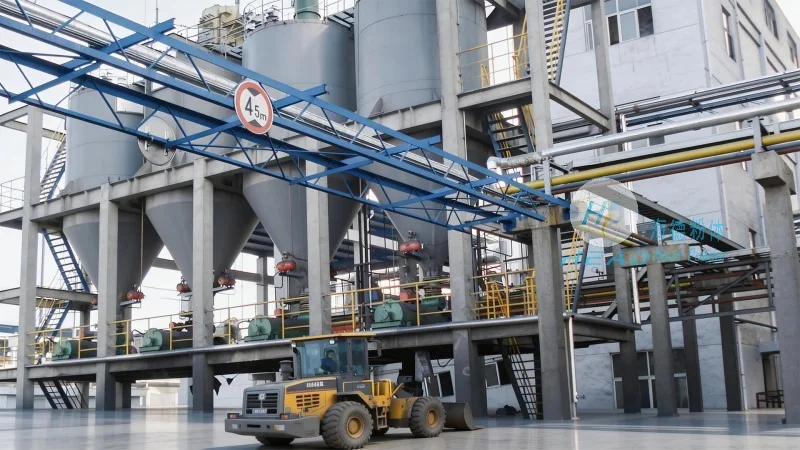
Understanding Pneumatic Conveying Systems
Pneumatic conveying systems are designed to transport bulk materials, such as powders and granules, using a stream of air or gas. These systems are particularly suitable for materials like EPS, which are often light and can be prone to dust generation. The core of a pneumatic conveying system is the ability to move material through a pipeline without the need for mechanical components like buckets or belts, relying instead on the pressure or velocity of the air to propel the material.
Key Components of an Expandable Polystyrene Pneumatic Conveying System
At the heart of any pneumatic conveying system for EPS are several critical components that work in tandem to ensure efficient material transport. These include:
1. Material Hopper or Feeder: This component is responsible for storing and feeding the EPS material into the conveying system. The hopper is typically designed to handle bulk quantities of EPS and may include features like a discharge valve to control the flow rate.
2. Pneumatic Conveying Pipe: The main pipeline through which the EPS is transported. The pipe is usually made of durable materials like stainless steel or plastic, chosen for their resistance to the material's properties and to prevent contamination.
3. Air Supply System: This includes a blower or compressor that generates the air or gas needed to move the material. The air supply system is crucial as it provides the necessary pressure and velocity to propel the EPS particles through the pipeline.
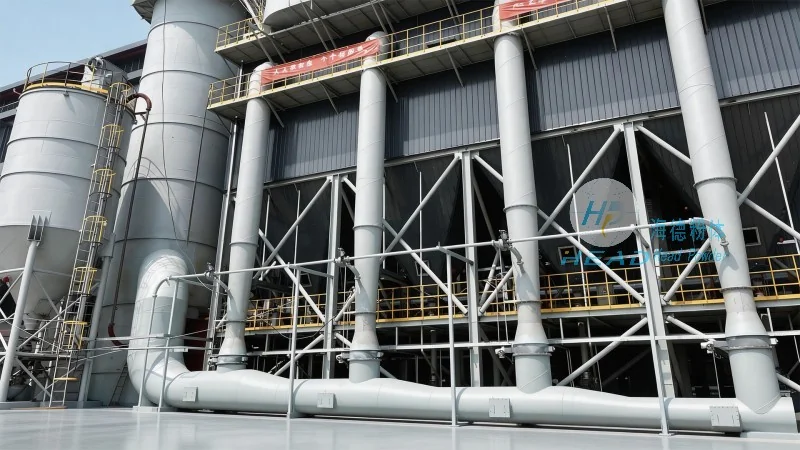
4. Control Valves and Regulators: These components are used to control the flow of air and material, ensuring that the system operates within optimal parameters. They help maintain consistent pressure and flow rates, preventing issues like blockages or uneven material distribution.
5. Collection Tank or Discharge Point: The end of the conveying system where the EPS is deposited. This component is designed to safely collect the material and may include features like a dust filter or separator to prevent air leakage and maintain environmental standards.
The Working Principle of Expandable Polystyrene Pneumatic Conveying
The operation of an expandable polystyrene pneumatic conveying system involves a sequence of steps that ensure the material is transported efficiently from the source to the destination. The process typically begins with the EPS material being fed from the hopper into the conveying pipe. Simultaneously, the air supply system generates a stream of air that flows through the pipe.
As the air moves through the pipe, it creates a low-pressure zone that draws the EPS particles into the air stream. The velocity of the air is carefully controlled to ensure that the particles are entrained without being damaged or broken down. This process is often referred to as "fluidization," where the material behaves like a fluid due to the interaction with the air.
The air stream then carries the EPS particles through the pipeline to the collection tank or discharge point. At the end of the system, the air is separated from the material, often using a cyclone or filter, and the air is either vented or recycled back into the system to improve efficiency.
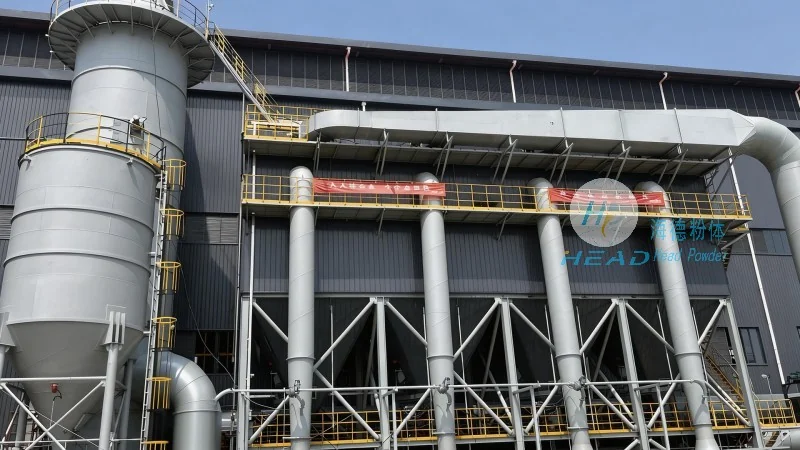
Advantages of Using Pneumatic Conveying for Expandable Polystyrene
Implementing a pneumatic conveying system for EPS offers several advantages over traditional methods like belt conveyors or manual handling. These benefits include:
1. Efficiency and Speed: Pneumatic systems can transport EPS quickly and over long distances with minimal downtime, making them ideal for high-volume production environments.
2. Reduced Labor and Downtime: By automating the material transport process, the system reduces the need for manual labor and minimizes the risk of material spillage or contamination.
3. Space Efficiency: Pneumatic conveying systems are compact and can be installed in tight spaces, making them suitable for facilities with limited floor space.
4. Environmental Benefits: These systems are enclosed, which helps contain dust and prevent environmental contamination. Additionally, they can be designed to recycle air, reducing energy consumption.
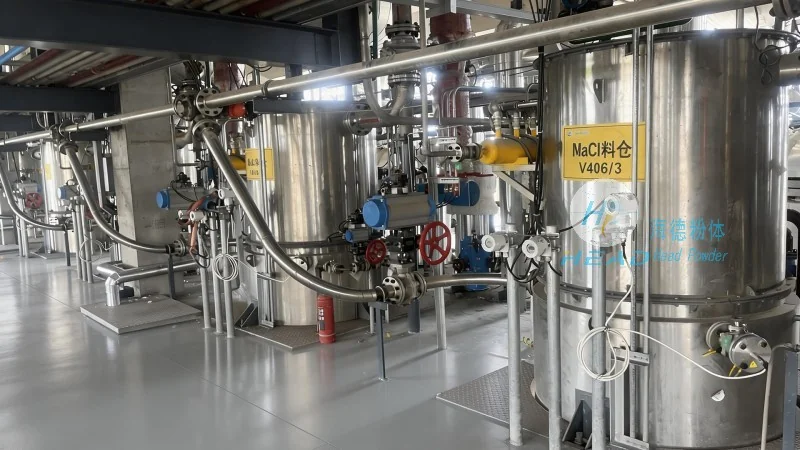
Applications of Expandable Polystyrene Pneumatic Conveying
The versatility of expandable polystyrene makes it suitable for a wide range of applications, and pneumatic conveying systems are commonly used in industries such as:
1. Construction and Insulation: EPS is widely used as an insulating material in building construction. Pneumatic conveying allows for the efficient transport of EPS from storage to the construction site.
2. Food and Beverage: In some applications, EPS is used as a packaging material or for food processing. Pneumatic systems ensure that the material is handled hygienically and efficiently.
3. Industrial Manufacturing: Many manufacturing processes require the bulk transport of EPS components or raw materials. Pneumatic conveying systems provide a reliable solution for these applications.
Conclusion
Expandable polystyrene pneumatic conveying is a sophisticated and efficient method for transporting bulk materials. By understanding the working principles and key components of such systems, industries can leverage this technology to improve productivity, reduce costs, and enhance safety. As a leading provider of engineering solutions, Shandong HeadPowder Engineering Co., Ltd. specializes in designing and implementing custom pneumatic conveying systems tailored to the specific needs of EPS handling applications.