

Fine Powder Pneumatic Conveying Introduction: Principles of Pneumatic Conveying Systems
Understanding Fine Powder Pneumatic Conveying and System Principles
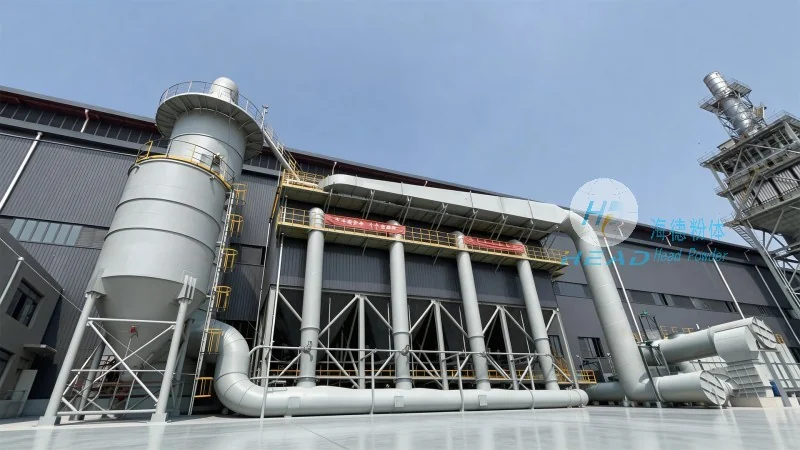
Introduction to Fine Powder Pneumatic Conveying
HeadPowder, a leading provider in the field, specializes in advanced pneumatic conveying solutions tailored for fine powder handling. The company, based in Shandong, China, offers comprehensive systems designed to efficiently transport fine powders, which are often characterized by their small particle size and high dust content. These materials present unique challenges in traditional material handling, making specialized pneumatic conveying technology essential for maintaining product integrity and operational efficiency.
Core Components of Pneumatic Conveying Systems
A typical pneumatic conveying system for fine powders consists of several key components that work in tandem to ensure reliable material transport. The primary elements include a feeding device, a conveying line (often equipped with pressure or vacuum systems), a separation unit, and a discharge mechanism. Each component plays a critical role in the overall process, from the initial material intake to the final delivery at the destination point.
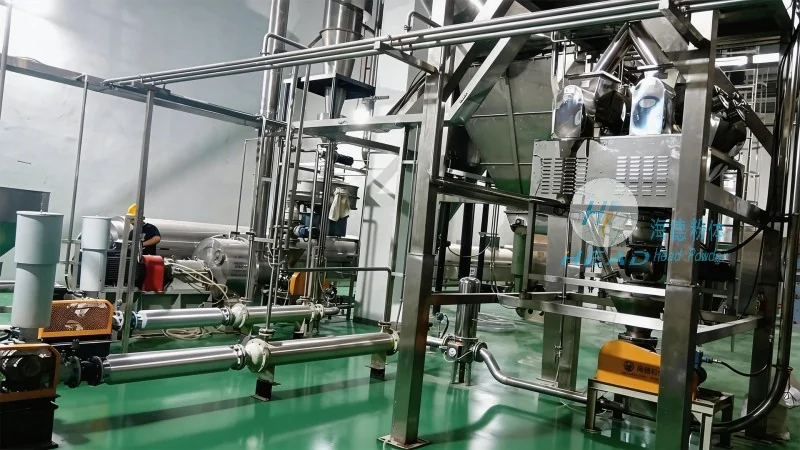
The Working Principle of Pneumatic Conveying
The fundamental principle behind pneumatic conveying is the use of air or gas to create a flow that transports the powder particles. In a pressure system, air is compressed and introduced into the conveying line, creating a positive pressure that pushes the powder forward. The powder is suspended in the air stream, moving through the pipeline with minimal friction and loss of product quality. Conversely, a vacuum system draws air and powder into the line using a vacuum pump, creating a negative pressure that pulls the material toward the collection point. This method is particularly effective for fine powders, as it minimizes particle degradation and ensures a clean, dust-free transfer.
Advantages of Fine Powder Pneumatic Conveying
Implementing pneumatic conveying for fine powders offers numerous benefits that enhance industrial operations. One of the most significant advantages is the ability to maintain product purity and prevent contamination during transport. Unlike mechanical systems that may cause particle breakage or mixing with foreign materials, pneumatic systems keep the powder in a controlled environment, preserving its physical and chemical properties. Additionally, these systems are highly flexible, allowing for changes in material flow rates and destination points without extensive modifications to the infrastructure. The compact design of pneumatic conveying equipment also saves valuable floor space, making it ideal for facilities with limited room for large machinery.
Applications in Industrial Settings
Fine powder pneumatic conveying is widely used across various industries, including pharmaceuticals, food processing, chemical manufacturing, and mining. In the pharmaceutical sector, for example, these systems are crucial for transporting active ingredients and excipients with strict purity standards. The gentle handling ensures that the powders remain free from contaminants, which is critical for maintaining product efficacy and regulatory compliance. In the food industry, pneumatic conveying is used to move ingredients like flour, sugar, and spices, ensuring that the products remain fresh and free from spoilage. Chemical manufacturers benefit from the ability to handle hazardous or reactive powders safely, as the enclosed system prevents exposure to personnel and the environment. Even in mining operations, pneumatic conveying is employed to transport fine ore particles from processing plants to storage facilities, improving overall operational efficiency.
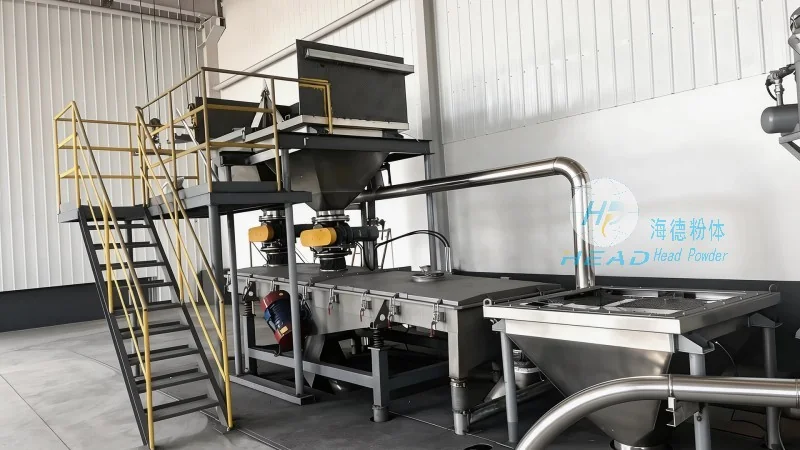
Customization and System Integration
HeadPowder understands that each industrial application has unique requirements, which is why they offer customized pneumatic conveying solutions. The company works closely with clients to assess their specific material characteristics, flow rates, and operational constraints to design a system that meets their exact needs. This includes selecting the appropriate type of conveying (pressure or vacuum), determining the optimal pipeline diameter and length, and integrating necessary accessories such as filters, cyclones, and dust collectors. By tailoring the system to the client's needs, HeadPowder ensures maximum efficiency and minimal downtime, providing a reliable solution for fine powder handling.
Conclusion and Company Overview
As a reputable entity in the industry, Shandong HeadPowder Engineering Co., Ltd. continues to innovate and provide cutting-edge pneumatic conveying systems for fine powders. With their headquarters in Shandong, China, the company leverages advanced technology and engineering expertise to deliver solutions that enhance productivity and maintain product quality. By focusing on the specific challenges of fine powder handling, HeadPowder remains committed to supporting industrial operations with reliable, efficient, and sustainable material transport solutions.