

Introduction to Dust Pneumatic Conveying and the Working Principle of Pneumatic Conveying Systems
HeadPowder, a leading provider in the field, specializes in the design and implementation of dust pneumatic conveying systems. These systems are engineered to efficiently transport fine particulate materials such as dust, powders, and granules through a pressurized or vacuum pipeline. The core principle involves using air or gas as the conveying medium to move the material from the source to the destination, ensuring a clean, dust-free operation that minimizes environmental impact and operational hazards.
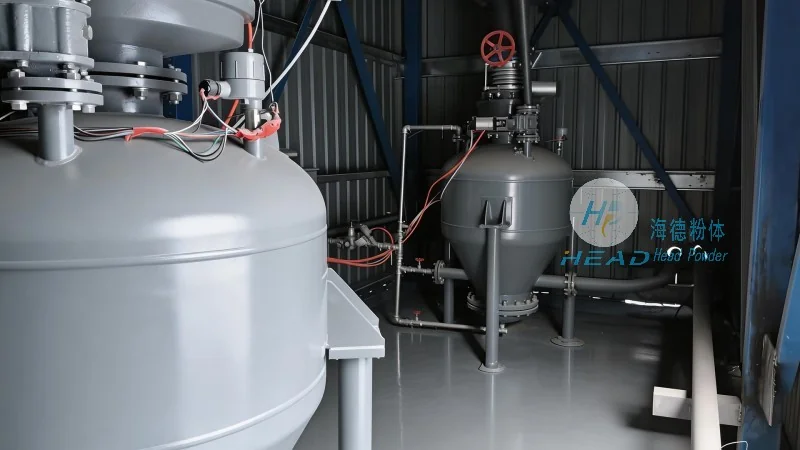
Working Principle of Pneumatic Conveying Systems
The operation of a typical pneumatic conveying system begins with the material being fed into a hopper or feeder. From there, the material is introduced into a pipeline where it is mixed with air or gas under controlled pressure. The system can operate in either positive pressure (where air is blown into the system) or negative pressure (where air is drawn out, creating a vacuum). The air-material mixture then travels through the pipeline to the discharge point, where the material is separated from the air and collected. The air is then filtered and either recirculated or vented, depending on the system design.
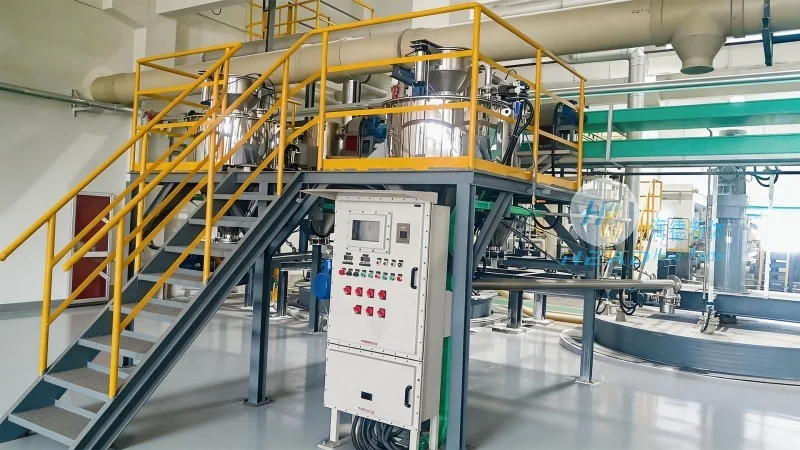
Key Components of a Pneumatic Conveying System
Several critical components work together to ensure the efficient and reliable operation of a dust pneumatic conveying system. These include:
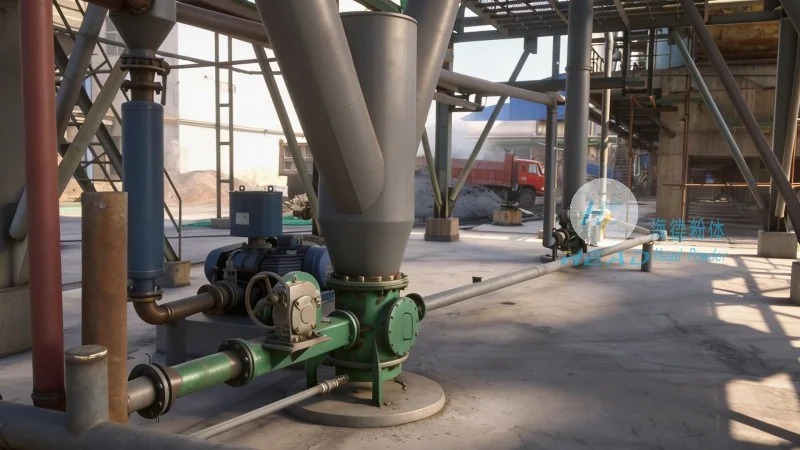
- Feeder/Inlet System: Responsible for feeding the material into the conveying line at a consistent rate, preventing blockages and ensuring smooth material flow.
- Pneumatic Conveying Pipeline: The main channel through which the material and air travel. It is typically made of durable materials like stainless steel or plastic to withstand the pressures and temperatures involved.
- Pressure or Vacuum Source: Provides the necessary air or gas to move the material. This can be a blower for positive pressure systems or a vacuum pump for negative pressure systems.
- Separation and Collection Equipment: Used to separate the conveyed material from the air at the discharge end. This may include cyclones, filters, or other separation devices.
- Control and Monitoring Systems: Ensures the system operates within safe and efficient parameters, allowing for adjustments based on material type, flow rate, and system performance.
Benefits of Using Dust Pneumatic Conveying Systems
Implementing a dust pneumatic conveying system offers numerous advantages for industrial applications. These include:
- Efficient Material Handling: Enables the rapid and continuous transport of materials over long distances with minimal labor and downtime.
- Reduced Environmental Impact: By containing dust and particulates within the system, it minimizes airborne emissions and improves workplace safety.
- Space Efficiency: The system can be installed in compact spaces, making it suitable for facilities with limited room for traditional conveyor systems.
- Flexibility in Layout: The pipeline can be routed around obstacles and through multiple levels, providing greater design flexibility.
- Low Maintenance: Compared to mechanical conveyors, pneumatic systems often require less maintenance due to fewer moving parts.
Application Examples
Dust pneumatic conveying systems are widely used in various industries, including:
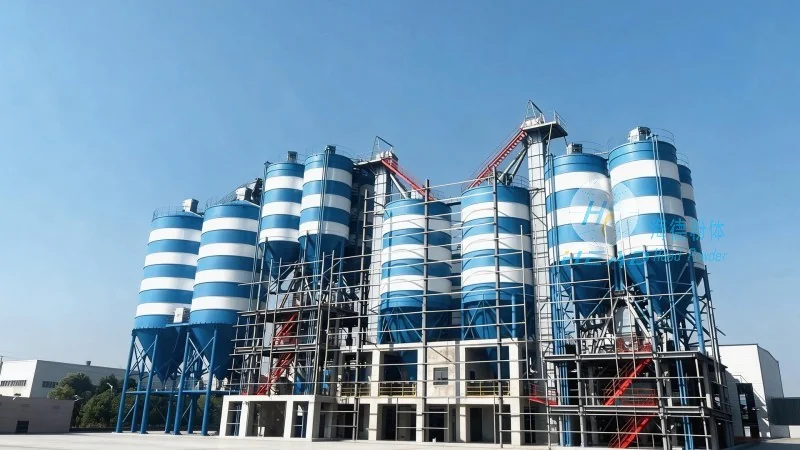
- Pharmaceutical and Food Processing: For transporting fine powders and granules that require strict hygiene and contamination control.
- Chemical Manufacturing: Handling abrasive or corrosive materials while maintaining system integrity and safety.
- Mineral and Mining: Conveying raw materials and byproducts from processing plants to storage or processing facilities.
- Paper and Pulp Industry: Transporting pulp, paper fibers, and other fine materials in a controlled environment.
Company Profile: Shandong HeadPowder Engineering Co., Ltd.
HeadPowder, based in Shandong, China, is a reputable engineering company specializing in the design, manufacturing, and installation of advanced pneumatic conveying systems. With years of experience in the industry, the company has developed a strong reputation for delivering high-quality, customized solutions tailored to the specific needs of its clients. The company’s team of experts works closely with customers to understand their operational requirements, material characteristics, and environmental constraints, ensuring the final system meets all performance and safety standards.