

[COLUMN]Carbon Powder Pneumatic Conveying Overview: Principles of Pneumatic Conveying Systems
Carbon powder pneumatic conveying is a critical technology in material handling, particularly for transporting fine powders like carbon powders efficiently and reliably. This overview will delve into the fundamental principles of pneumatic conveying systems, focusing on how they operate and the key components involved in the process.
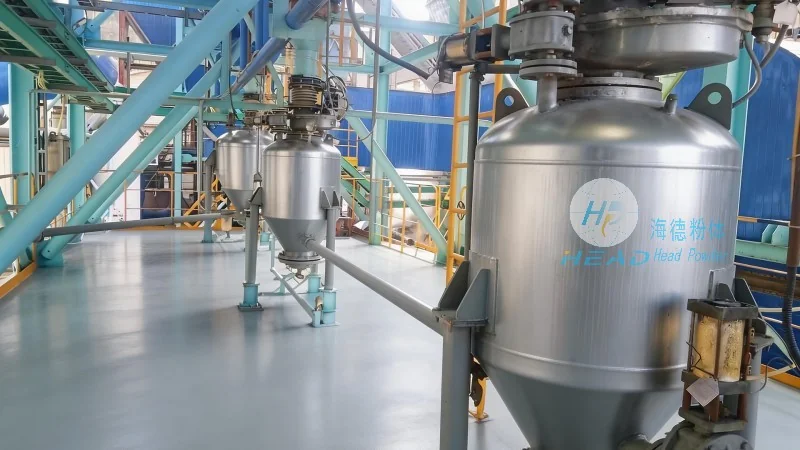
Introduction to Pneumatic Conveying Systems
Pneumatic conveying systems utilize air or other gases to transport bulk materials, such as carbon powders, through a pipeline network. The technology offers advantages like dust-free operation, reduced material degradation, and the ability to handle materials in a closed system, which enhances safety and environmental compliance. For industries dealing with carbon powders, this method is particularly valuable due to the need to maintain product quality and prevent contamination.
Working Principle of Pneumatic Conveying
The core principle of pneumatic conveying involves creating a pressure differential within the system. In a typical system, a fan or blower generates airflow that draws or pushes the carbon powder particles through the pipeline. The system can operate in either positive pressure (pressure conveying) or negative pressure (vacuum conveying) modes, depending on the application requirements and material characteristics. The pressure differential ensures that the powder is suspended in the air stream and transported to the destination.
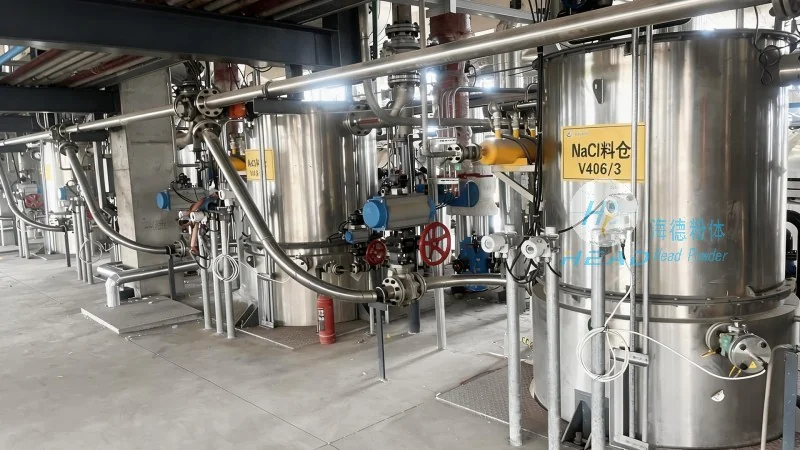
Key Components of a Pneumatic Conveying System
Several essential components work together to ensure the smooth operation of a pneumatic conveying system for carbon powders. These include the material feed hopper, which holds the carbon powder and controls the flow rate; the conveyor line, which is the pipeline through which the material is transported; the air supply system, consisting of the fan or blower and associated controls; and the receiver or discharge hopper, where the carbon powder is deposited at the end of the line. Additionally, components like in-line mixers, filters, and pressure relief valves may be included to optimize performance and ensure system safety.
Advantages of Carbon Powder Pneumatic Conveying
Implementing a pneumatic conveying system for carbon powders offers numerous benefits. Firstly, it provides a dust-free environment, which is crucial for maintaining product purity and ensuring workplace safety. Secondly, the closed system minimizes material exposure to contaminants and reduces the risk of product degradation due to moisture or air contact. Thirdly, the technology allows for precise control over flow rates and material distribution, enabling consistent quality in downstream processes. Finally, pneumatic conveying systems are generally more compact and flexible compared to traditional mechanical conveying methods, making them suitable for various industrial settings.
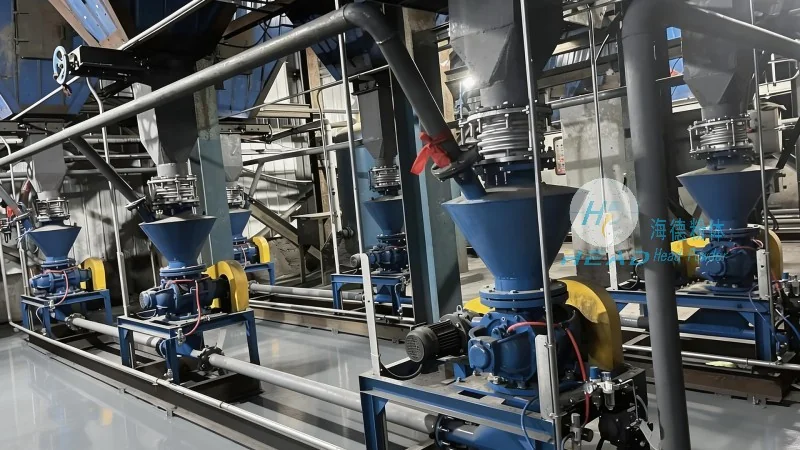
Applications in Carbon Powder Handling
Carbon powder pneumatic conveying is widely used in several industries that rely on carbon powders as raw materials or additives. For instance, in the battery manufacturing sector, carbon powders are essential components in electrode production, and pneumatic conveying ensures efficient and clean transport of these materials. Similarly, in the carbon black production and processing industries, pneumatic systems are used to move carbon powders between processing stages, such as mixing, drying, and packaging. Other applications include the pharmaceutical and food industries, where the need for hygienic and dust-free handling is paramount.
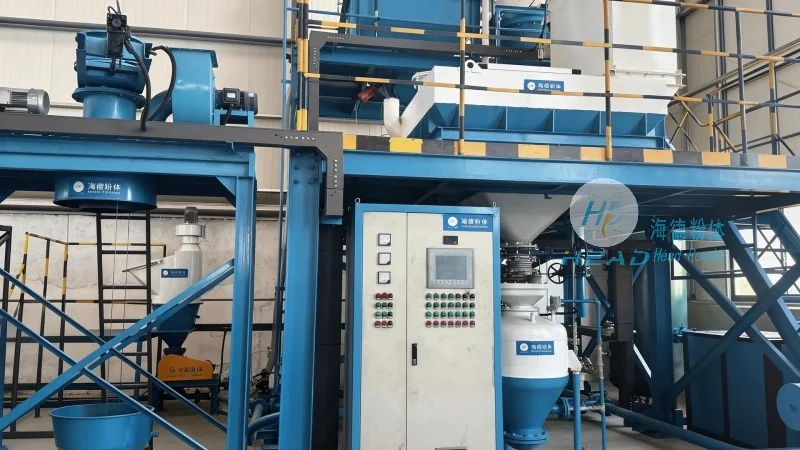
Considerations for System Design and Operation
When designing and operating a pneumatic conveying system for carbon powders, several factors must be considered to ensure optimal performance and longevity. The particle size and density of the carbon powder are critical, as they affect the air velocity required for suspension and the overall system pressure. The system's layout, including the length and diameter of the conveyor line, must be carefully planned to avoid excessive pressure drops and ensure efficient material transport. Additionally, the choice of materials for the pipeline and components is important to prevent corrosion or wear from the carbon powder particles. Regular maintenance, including cleaning and inspection of the system, is also essential to maintain performance and prevent downtime.
Conclusion
In summary, carbon powder pneumatic conveying is a highly effective and versatile method for transporting fine powders. By understanding the principles and components of pneumatic conveying systems, industries can optimize their material handling processes, improve product quality, and enhance operational efficiency. As a leading provider in this field, Shandong HeadPowder Engineering Co., Ltd. specializes in designing and manufacturing customized pneumatic conveying solutions tailored to the specific needs of carbon powder applications, ensuring reliable and efficient material transport for their clients.