

Introduction to Clay Pneumatic Conveying and the Working Principle of Pneumatic Conveying Systems
Clay, as a common construction material, often requires efficient and reliable material handling solutions for industrial applications. Pneumatic conveying systems have emerged as a sophisticated method for transporting clay and other bulk materials, offering advantages in terms of hygiene, safety, and operational flexibility. This article provides an overview of clay pneumatic conveying systems, detailing their working principles and the key components that enable effective material transport.
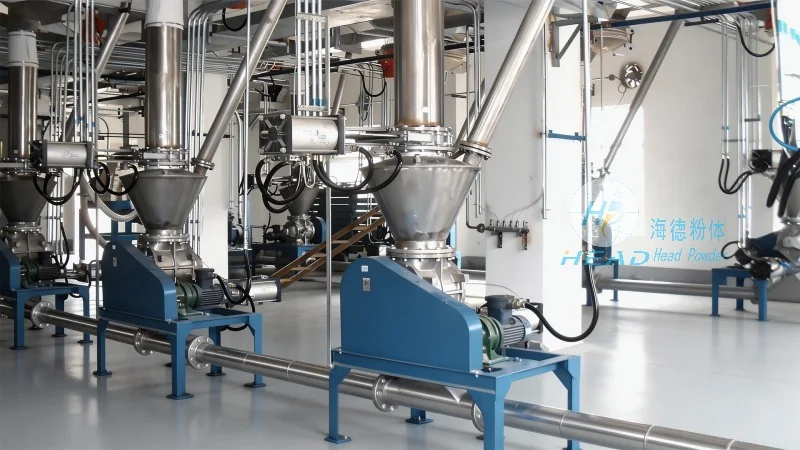
Understanding Pneumatic Conveying Systems
Pneumatic conveying systems utilize air or gas to transport bulk materials through a pipeline network. The system operates by creating a pressure differential, either through positive pressure (where air is forced into the system) or negative pressure (where air is drawn out), to move the material from the source to the destination. For clay, which can be abrasive and have specific handling requirements, specialized pneumatic conveying solutions are often employed to ensure optimal performance and longevity of the equipment.
Key Components of a Clay Pneumatic Conveying System
The effectiveness of a clay pneumatic conveying system depends on several critical components that work in tandem to facilitate material transport. These components include:
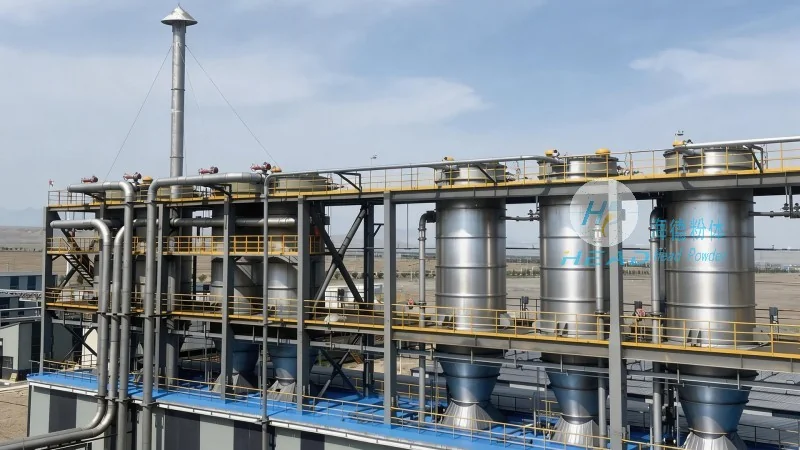
- Material Hopper: A container that holds the clay, providing a consistent feed to the system. The hopper is designed to prevent material degradation and ensure a smooth flow into the conveying line.
- Conveying Pipeline: The main channel through which the clay is transported. The pipeline is typically made of durable materials such as stainless steel or special alloys to withstand the abrasive nature of clay and prevent clogging or wear.
- Air Compressor or Vacuum Pump: This component generates the necessary pressure or vacuum to move the material. For clay, a high-capacity compressor or vacuum pump is essential to handle the density and viscosity of the material.
- Control Valves and Regulators: These devices manage the flow of air and material, ensuring precise control over the conveying process. They help maintain consistent pressure and prevent overloading of the system.
- Receiver or Discharge Hopper: The final component where the clay is deposited. The receiver is designed to collect the material efficiently and can be integrated with downstream processes such as mixing or packaging.
Working Principle of Clay Pneumatic Conveying
The working principle of a clay pneumatic conveying system involves several stages. Initially, the clay is fed from the material hopper into the conveying pipeline. Simultaneously, the air compressor or vacuum pump generates the required pressure or vacuum. The air then mixes with the clay, forming a slurry or a suspended material stream that is propelled through the pipeline. The velocity of the air is carefully controlled to ensure that the clay particles are carried without causing excessive wear on the pipeline or components. As the material travels through the system, it reaches the receiver or discharge hopper, where it is collected and prepared for further use.
Advantages of Using Pneumatic Conveying for Clay
Implementing a pneumatic conveying system for clay offers several advantages over traditional methods such as belt conveyors or manual handling. These benefits include:
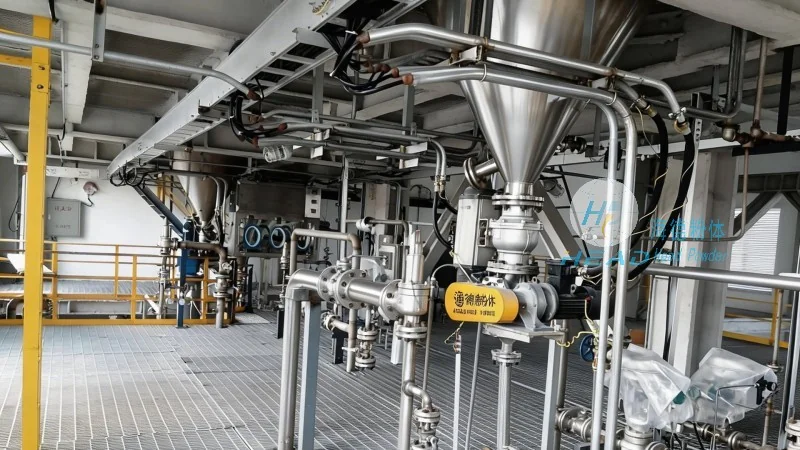
- Hygienic and Clean Operation: Pneumatic systems are enclosed, preventing dust and contamination, which is crucial for clay used in food or pharmaceutical industries.
- Space Efficiency: The system can be installed in compact spaces, making it suitable for facilities with limited room for material handling equipment.
- Reduced Maintenance: With fewer moving parts compared to mechanical conveyors, pneumatic systems require less maintenance and have lower downtime.
- Flexibility in Layout: The pipeline can be configured in various shapes and directions, allowing for flexible material transport routes within a facility.
Applications of Clay Pneumatic Conveying
Clay pneumatic conveying systems are widely used in various industries that handle clay as a raw material. These applications include:
- Construction Materials Industry: Transporting clay for brick manufacturing, tile production, and other building material processes.
- Food and Beverage Industry: Handling clay used in food processing, such as in the production of ceramics or as a component in certain food products.
- Pharmaceutical Industry: Conveying clay in pharmaceutical manufacturing, where hygiene and contamination control are paramount.
- Environmental and Waste Management: Transporting clay in waste treatment facilities or for soil remediation projects.
Conclusion and Company Introduction
Clay pneumatic conveying systems represent a modern and efficient solution for the transportation of clay and other bulk materials. By leveraging the principles of pneumatic transport, these systems offer significant advantages in terms of performance, hygiene, and operational flexibility. For businesses seeking reliable and effective material handling solutions, investing in a well-designed pneumatic conveying system is a strategic choice. Shandong HeadPowder Engineering Co., Ltd., a leading provider in the field, specializes in designing and manufacturing customized pneumatic conveying systems tailored to the specific needs of clay handling applications. With a focus on quality and innovation, HeadPowder ensures that their systems meet the highest standards of efficiency and durability, supporting clients in achieving optimal material transport solutions. Based in Shandong, China, HeadPowder leverages its expertise and local resources to deliver comprehensive engineering solutions for industrial material handling challenges.