

Introduction to Paper Sheet Pneumatic Conveying and the Working Principle of Pneumatic Conveying Sys
Shandong HeadPowder Engineering Co., Ltd., commonly known as headpowder, is a professional manufacturer and supplier specializing in pneumatic conveying systems. With a focus on industrial material handling solutions, the company has established itself as a reliable partner in the field. HeadPowder is headquartered in Shandong, China, and serves clients globally with customized equipment tailored to their specific material handling needs.
Working Principle of Pneumatic Conveying Systems
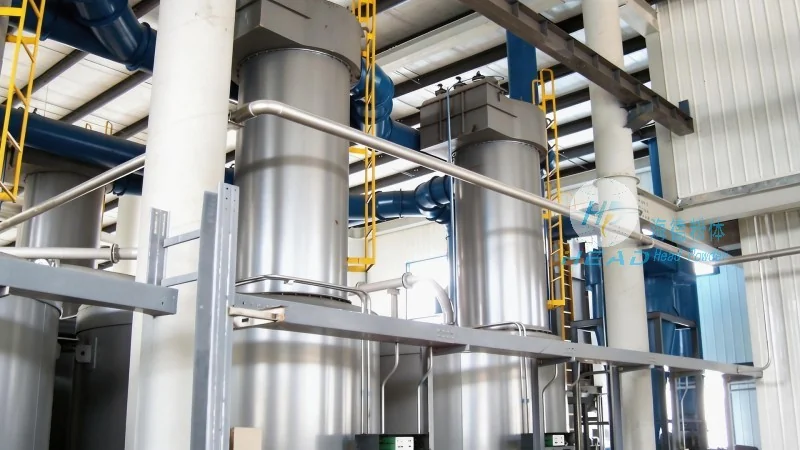
Pneumatic conveying systems, such as those used for paper sheet handling, operate by transporting bulk materials through a pressurized or vacuum environment. The core components include a material feed hopper, a conveying line (often made of stainless steel or other corrosion-resistant materials), and a control system. The system works by creating a pressure differential: in a pressure system, air is forced through the conveying line, pulling material from the hopper into the line; in a vacuum system, a vacuum is created to draw material into the line. For paper sheet applications, the system is designed to handle lightweight, low-density materials efficiently, ensuring minimal degradation and consistent flow.
Advantages of Pneumatic Conveying for Paper Sheet Handling
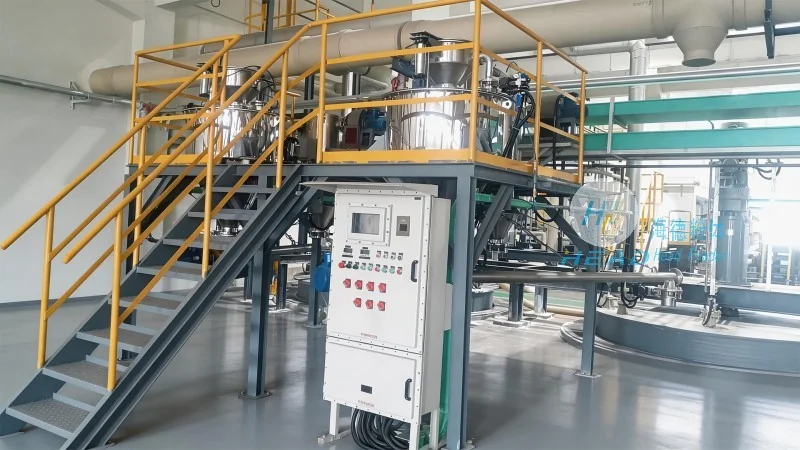
When applied to paper sheet processing, pneumatic conveying systems offer several key advantages. Firstly, they provide a clean and hygienic method of material transport, which is crucial in industries where contamination must be avoided. The enclosed system prevents dust and debris from entering the environment, maintaining product purity. Secondly, these systems are highly efficient in terms of space utilization, as they can transport materials over long distances with minimal infrastructure. This makes them ideal for factories with limited floor space. Thirdly, pneumatic conveying reduces labor costs by automating the material handling process, allowing for continuous operation without the need for manual intervention. The system’s ability to handle fragile materials like paper sheets without causing damage is another significant benefit, as it preserves the integrity of the product throughout the conveying process.
Applications in Paper Industry
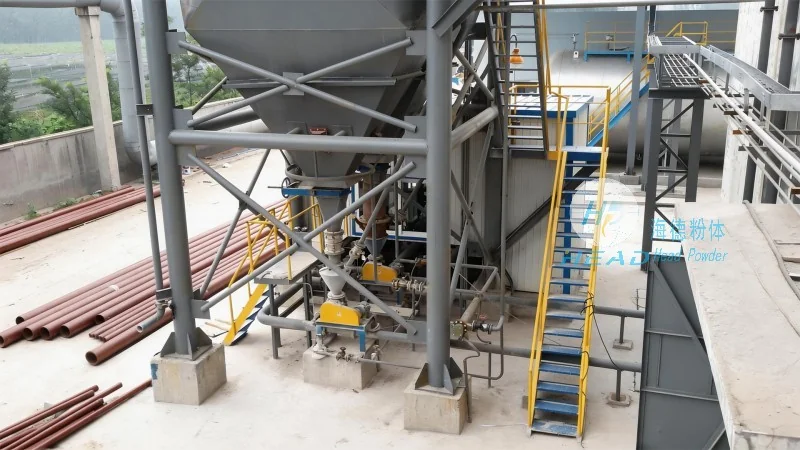
Pneumatic conveying systems are widely used in various stages of the paper manufacturing process. For instance, in the raw material handling stage, these systems can transport paper pulp or recycled paper sheets from storage areas to processing machines. During the production phase, they facilitate the movement of finished paper sheets from cutting and folding units to packaging areas. The systems are also employed in quality control and inspection processes, where paper sheets need to be transported to testing stations for dimensional and surface checks. By integrating pneumatic conveying into their operations, paper mills can enhance productivity, reduce downtime, and improve overall operational efficiency.
Customized Solutions and After-Sales Support
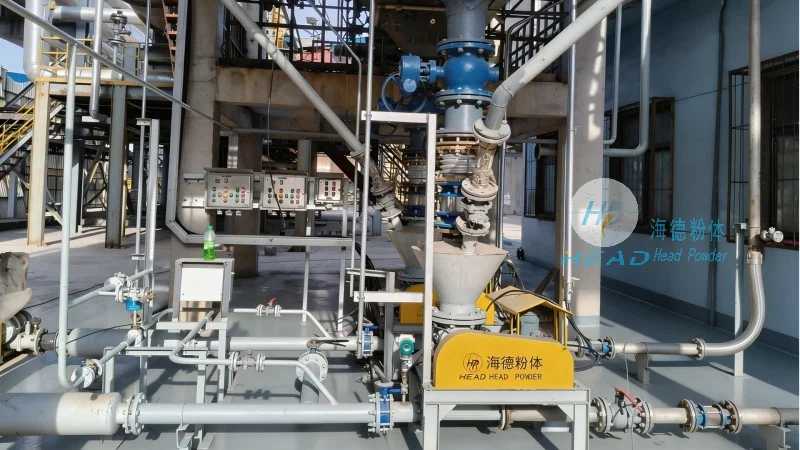
HeadPowder understands that each paper processing facility has unique requirements. Therefore, the company offers customized pneumatic conveying solutions tailored to specific production needs. From system design and engineering to installation and commissioning, HeadPowder provides comprehensive support throughout the entire project lifecycle. The company’s team of experts works closely with clients to assess their material characteristics, production volumes, and operational constraints, ensuring that the final system meets all technical and performance specifications. Additionally, HeadPowder offers after-sales support, including maintenance services, spare parts supply, and technical assistance, to ensure the long-term reliability and efficiency of the conveying systems. With a commitment to quality and customer satisfaction, Shandong HeadPowder Engineering Co., Ltd. continues to be a trusted choice for businesses seeking reliable pneumatic conveying solutions in the paper industry.