

Introduction to Denitrification Fly Ash Pneumatic Conveying and the Working Principle of Pneumatic C
Denitrification fly ash, also known as flue gas desulfurization (FGD) gypsum or calcined gypsum, is a byproduct generated during the flue gas desulfurization process in power plants. This material is often transported using pneumatic conveying systems due to its fine particle size and the need for efficient, dust-free handling. The following overview details the process of denitrification fly ash pneumatic conveying and explains the fundamental working principles of such systems.
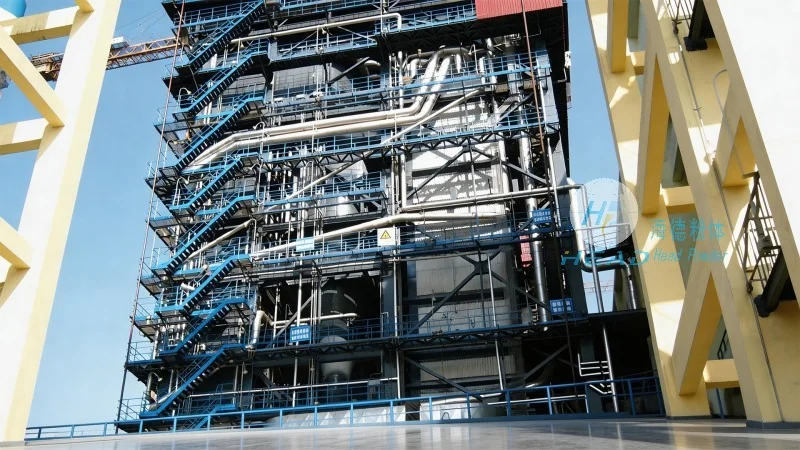
HeadPowder, a leading provider of industrial material handling solutions, specializes in the design, manufacturing, and installation of pneumatic conveying systems tailored for handling denitrification fly ash. With a strong presence in Shandong, China, the company leverages decades of experience to deliver reliable and efficient solutions for clients across various industries.
Understanding Denitrification Fly Ash
Denitrification fly ash is produced when flue gases from coal-fired power plants are treated to remove sulfur dioxide and nitrogen oxides. The process involves the use of limestone or other absorbents that react with the pollutants, resulting in a fine, powdery residue. This residue is typically stored in ash ponds or transported to disposal sites, where it can be used as a raw material for gypsum board production or other construction applications. The key characteristics of denitrification fly ash that affect its handling include its high moisture content, fine particle size (often in the range of 10-200 microns), and potential for dust generation during transport.
Pneumatic Conveying Systems: An Overview
Pneumatic conveying is a method of transporting bulk materials through a pipeline using a gas stream, typically air or a combination of air and other gases. This technology is widely used in industries such as power generation, cement, and chemical processing for its ability to handle fine powders like denitrification fly ash without the need for mechanical components that might cause blockages or contamination. The system consists of several key components, including a material feed hopper, a conveying line, a gas source (blower or compressor), and a discharge device.
Working Principle of Pneumatic Conveying Systems
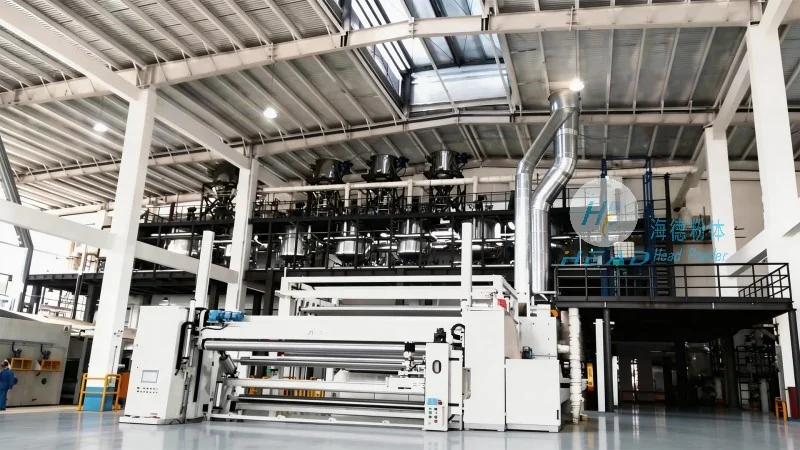
The operation of a pneumatic conveying system for denitrification fly ash involves several steps. First, the fly ash is fed from a storage hopper into a material feed device, such as a rotary valve or a star feeder, which controls the flow rate and prevents blockages. The material then enters a conveying line, where it is mixed with a high-velocity air stream generated by a positive displacement blower or a centrifugal fan. The air stream propels the fly ash particles through the pipeline, maintaining a consistent flow and preventing particle settlement. At the discharge end, the air and material mixture is separated, typically using a cyclone separator or a bag filter, and the fly ash is collected in a receiving hopper or container.
Key Components and Their Functions
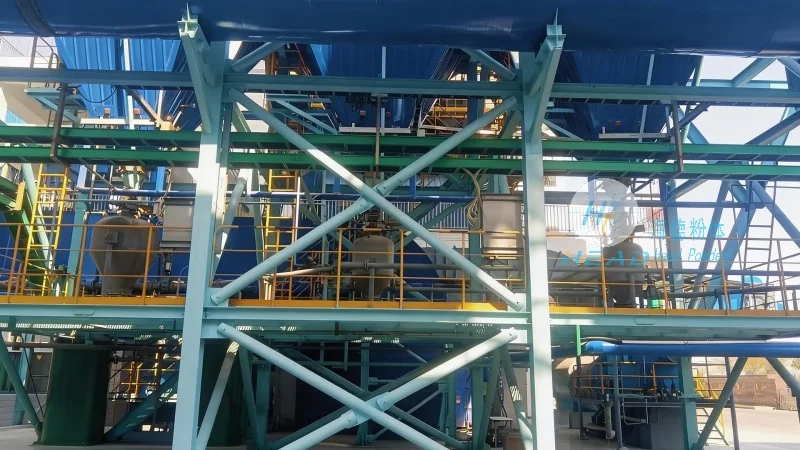
Each component of a pneumatic conveying system plays a critical role in ensuring efficient and reliable operation. The material feed hopper stores the denitrification fly ash and provides a consistent supply to the system. The rotary valve or star feeder acts as a controlled gate, regulating the flow of material into the conveying line and preventing backflow. The blower or compressor generates the necessary air pressure and volume to move the material through the pipeline. The conveying line, usually made of stainless steel or other corrosion-resistant materials, ensures the material is transported without degradation or contamination. The discharge device, such as a cyclone separator, separates the fly ash from the air stream and directs the material to the intended destination. The air filtration system, including bag filters or other air cleaning devices, ensures that the exhaust air is clean and compliant with environmental regulations.
Advantages of Pneumatic Conveying for Denitrification Fly Ash
Using pneumatic conveying systems for denitrification fly ash offers several advantages over traditional mechanical conveying methods. These include: (1) Reduced dust generation and improved safety, as the material is contained within the pipeline; (2) Lower maintenance costs, as there are fewer moving parts compared to belt conveyors or screw conveyors; (3) Flexibility in system design, allowing for horizontal, vertical, or combined (mixed) conveying configurations; (4) Ability to handle fine powders without segregation or degradation; and (5) Compatibility with existing infrastructure and easy integration into existing power plant operations.
Applications and Use Cases
Denitrification fly ash pneumatic conveying systems are commonly used in power plants for the following applications: (1) Transporting fly ash from the FGD system to storage silos or disposal sites; (2) Moving fly ash to processing facilities for gypsum board production; (3) Conveying fly ash for use as a raw material in cement manufacturing; and (4) Transferring fly ash to other industrial sites for recycling or reuse. The systems are designed to meet the specific requirements of each application, including material flow rates, pipeline lengths, and environmental compliance.
Conclusion
Denitrification fly ash pneumatic conveying is a critical technology for the efficient and safe handling of a byproduct generated in power plants. The working principles of pneumatic conveying systems, combined with the expertise of companies like HeadPowder, enable the reliable transport of fine powders while minimizing environmental impact and operational costs. As power plants continue to adopt flue gas desulfurization technologies, the demand for efficient pneumatic conveying systems will remain high, ensuring the continued use of denitrification fly ash as a valuable resource in various industries.