

Introduction to Wood Ash Pneumatic Conveying and the Working Principle of Pneumatic Conveying System
Wood ash, a byproduct of biomass combustion, is widely used in various industrial applications such as fertilizer production, construction materials, and environmental remediation. Efficient handling and transportation of wood ash are crucial for optimizing production processes and ensuring operational efficiency. Pneumatic conveying systems have emerged as a reliable and effective method for transporting wood ash, offering advantages like low maintenance, minimal product contamination, and the ability to handle a wide range of particle sizes and moisture contents.
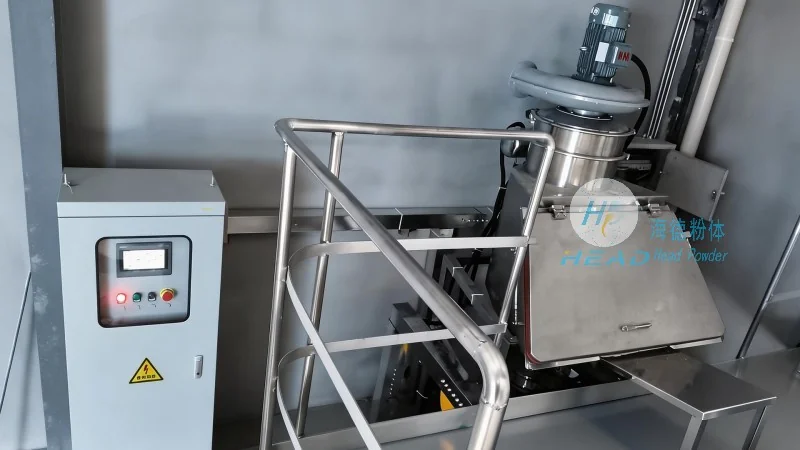
HeadPowder, a leading provider of engineering solutions, specializes in designing and manufacturing customized pneumatic conveying systems tailored to the unique needs of wood ash handling applications. With years of experience in the field, the company has developed advanced technologies that enhance the performance and reliability of wood ash transportation. This article provides an overview of the wood ash pneumatic conveying process and explains the fundamental working principles of pneumatic conveying systems.
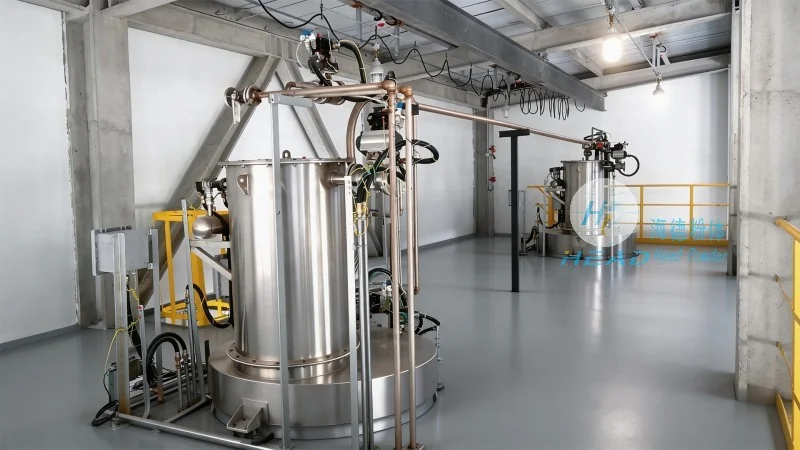
Understanding Wood Ash Characteristics and Handling Requirements
Before delving into the pneumatic conveying process, it is essential to understand the characteristics of wood ash that influence the selection and design of the conveying system. Wood ash typically consists of inorganic materials derived from the combustion of wood, including minerals like calcium, potassium, and silica, along with various trace elements. The physical properties of wood ash, such as particle size distribution, bulk density, and moisture content, play a significant role in determining the most suitable conveying method. For instance, fine particles may require higher air velocities to prevent blockages, while larger particles might benefit from lower velocities to reduce energy consumption.
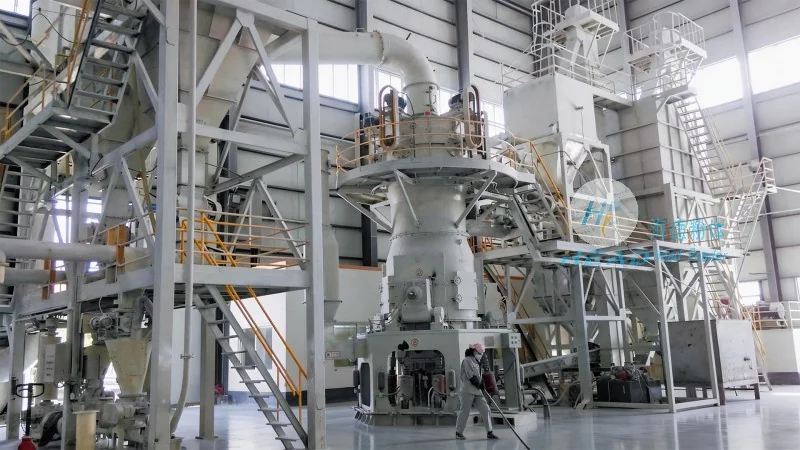
HeadPowder engineers conduct thorough material analysis to assess these characteristics and recommend optimal conveying parameters. This includes evaluating the ash's flowability, cohesion, and potential for dust generation, which are critical factors in preventing system inefficiencies and ensuring safe operation. By understanding these properties, the company can design systems that maintain consistent flow rates, minimize pressure drops, and reduce the risk of clogging or product degradation.
The Working Principle of Pneumatic Conveying Systems
Pneumatic conveying systems utilize compressed air or gas to transport bulk materials like wood ash through a pipeline network. The fundamental principle involves creating a pressure differential between the inlet and outlet of the system, which propels the material forward. There are two primary types of pneumatic conveying systems: dilute-phase and dense-phase. Dilute-phase systems operate at higher air velocities, typically 20-30 m/s, and are suitable for transporting fine powders over short to medium distances. Dense-phase systems, on the other hand, operate at lower air velocities (5-15 m/s) and use higher air-to-material ratios, making them ideal for handling larger particles and longer distances.
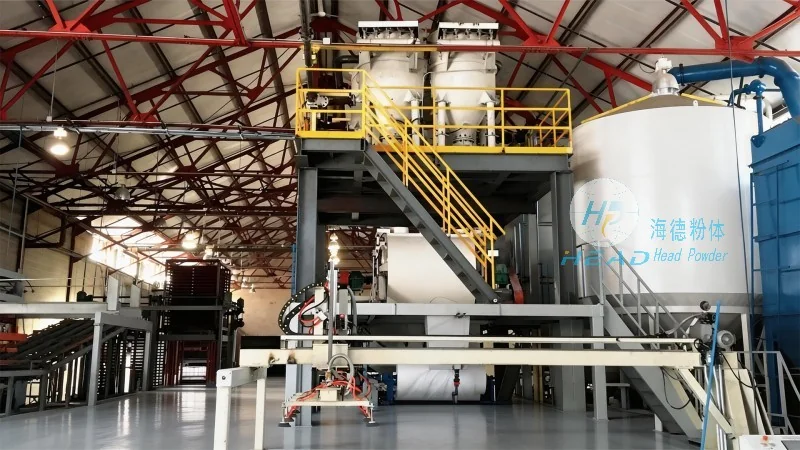
The core components of a pneumatic conveying system include a material feeder, a compressor or air supply unit, a pipeline network, and a discharge device. The material feeder, such as a rotary valve or screw feeder, introduces wood ash into the system at a controlled rate. The compressor then supplies compressed air, which mixes with the material and creates a slurry-like flow. As the mixture travels through the pipeline, the air and material are separated at the discharge point, where the wood ash is collected and the air is either vented or recirculated.