

What is Wet Ammonium Nitrate Pneumatic Conveying? An Introduction to the Working Principles of Powde
Wet ammonium nitrate (WAN) is a vital raw material in the fertilizer industry, and its efficient handling is crucial for industrial operations. Pneumatic conveying systems provide a reliable method for transporting wet ammonium nitrate, ensuring safety, efficiency, and minimal product degradation. This article explores the working principles of wet ammonium nitrate pneumatic conveying, highlighting the key components and operational mechanisms that enable effective powder handling.
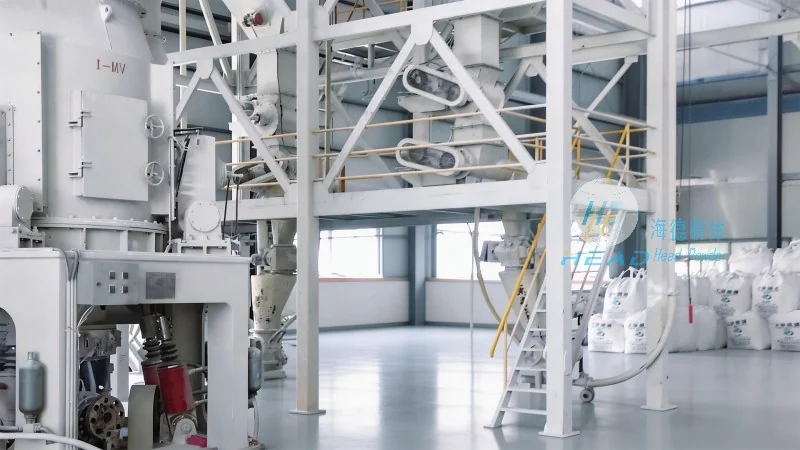
Understanding Pneumatic Conveying Systems
Pneumatic conveying systems utilize air or gas to transport bulk materials, such as wet ammonium nitrate, through a pipeline network. These systems are categorized into two main types: dilute-phase and dense-phase conveying. Dilute-phase systems rely on high-velocity air to suspend particles, while dense-phase systems use lower velocities to push material along the pipeline. For wet ammonium nitrate, the choice of system depends on factors like material properties, distance, and required flow rate.
Key Components of Wet Ammonium Nitrate Pneumatic Conveying Systems
The core components of a wet ammonium nitrate pneumatic conveying system include the hopper, feeder, air compressor, pipeline, and receiver. The hopper stores the wet ammonium nitrate, while the feeder controls the material flow into the system. The air compressor generates the necessary air pressure to move the material through the pipeline. The pipeline transports the wet ammonium nitrate from the source to the destination, and the receiver collects the material at the end of the line. Each component plays a crucial role in ensuring the system operates smoothly and efficiently.
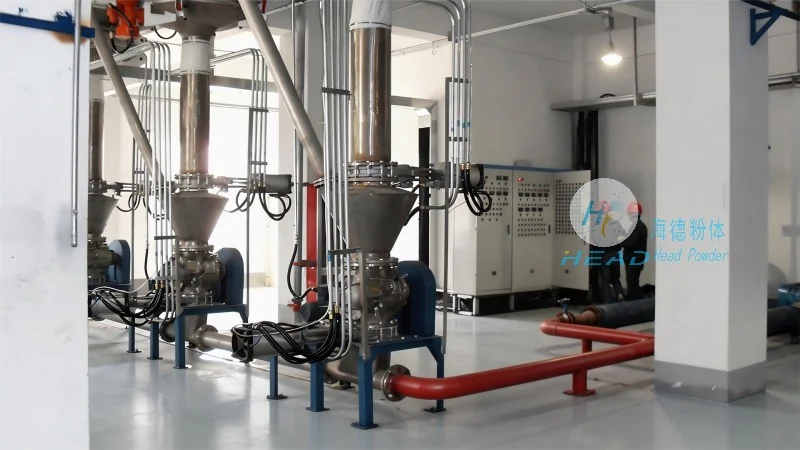
Working Principle of Wet Ammonium Nitrate Pneumatic Conveying
The process begins with the wet ammonium nitrate being fed into the hopper. The feeder then regulates the flow rate, ensuring a consistent supply of material. The air compressor then generates high-pressure air, which is introduced into the pipeline. As the air flows through the pipeline, it creates a low-pressure zone that draws the wet ammonium nitrate particles into the air stream. The combination of air and material forms a slurry-like mixture that is transported through the pipeline to the receiver. At the receiver, the air is separated from the wet ammonium nitrate, allowing the material to be collected for further processing or storage.
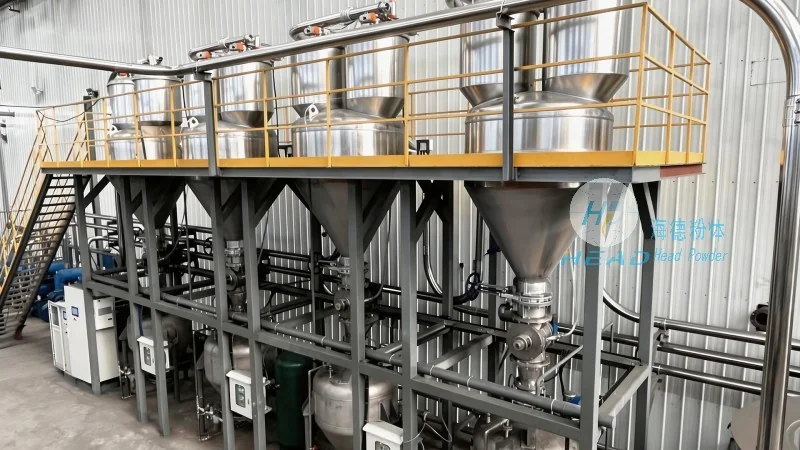
Advantages of Wet Ammonium Nitrate Pneumatic Conveying
Wet ammonium nitrate pneumatic conveying offers several advantages over traditional methods, such as belt conveyors or bucket elevators. These systems are more flexible, as they can be easily reconfigured to accommodate changes in production needs. They also provide better control over material flow, reducing the risk of overloading or underloading. Additionally, pneumatic conveying systems are less likely to cause product degradation, as the material is not subjected to mechanical stress or friction. This is particularly important for wet ammonium nitrate, which can be sensitive to moisture and temperature changes.
Applications of Wet Ammonium Nitrate Pneumatic Conveying
Wet ammonium nitrate pneumatic conveying is widely used in the fertilizer industry for transporting raw materials and finished products. It is also used in other industries, such as chemical manufacturing and food processing, where bulk powder handling is required. The system's ability to handle wet materials makes it particularly suitable for applications where traditional conveying methods may not be effective. For example, in fertilizer production, wet ammonium nitrate is often used as a component in nitrogen-based fertilizers, and pneumatic conveying systems are used to transport it from the production line to storage facilities or to other processing units.