

What is Diatomite Mineral Powder Pneumatic Conveying? An Introduction to the Working Principle of Po
Understanding the technology behind diatomite mineral powder pneumatic conveying is crucial for industries that rely on efficient and reliable powder handling solutions. This article provides a comprehensive overview of the working principles and applications of such systems, highlighting the expertise of Shandong HeadPowder Engineering Co., Ltd. as a leading provider in the field.
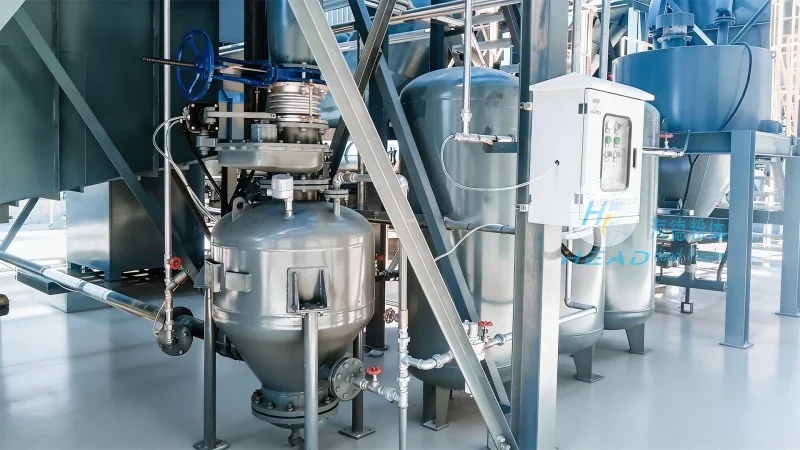
Introduction to Diatomite Mineral Powder Pneumatic Conveying
Diatomite, a natural sedimentary rock composed primarily of fossilized diatoms, is widely used in various industrial applications due to its unique properties, including high porosity, low density, and excellent filtration capabilities. When processed into a fine powder, diatomite becomes an essential material in sectors like filtration, adsorption, and as a filler in cosmetics and construction. However, the handling of diatomite powder presents unique challenges, such as dust generation, caking, and the need for precise control over particle flow. Pneumatic conveying systems offer an effective solution to these challenges by transporting the powder through a pipeline using compressed air or other gas streams.
Company Overview: Shandong HeadPowder Engineering Co., Ltd.
HeadPowder, the professional brand under Shandong HeadPowder Engineering Co., Ltd., specializes in the design, manufacturing, and integration of advanced powder handling systems. With a strong presence in China, particularly in Shandong province, the company leverages over a decade of industry experience to deliver customized solutions tailored to the specific needs of clients. The company’s headquarters is located in Shandong, China, where a dedicated team of engineers and technicians works to ensure the highest standards of quality and performance in every project.
The Working Principle of Pneumatic Conveying Systems
Pneumatic conveying systems operate by creating a pressure differential between the inlet and outlet of a pipeline, which propels the diatomite powder along the system. There are two primary types of pneumatic conveying: pressure and vacuum systems. In pressure systems, compressed air is introduced at the material feed point, while in vacuum systems, a vacuum is created at the discharge end to draw the powder into the pipeline. The choice between these systems depends on factors such as the distance to be covered, the volume of material to be transported, and the required level of control over the conveying process.
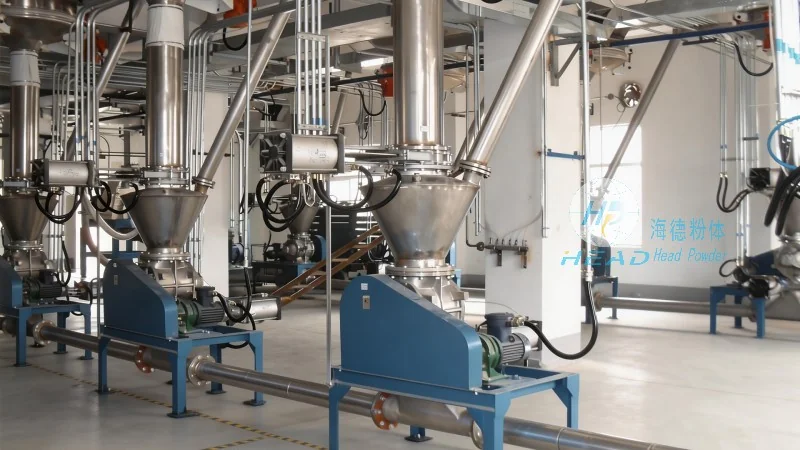
At the core of the system is the material feed hopper, which holds the diatomite powder and regulates its flow into the pipeline. The hopper is equipped with a feeder mechanism, such as a rotary valve or a screw feeder, that controls the rate of material discharge. As the powder enters the pipeline, it is mixed with the conveying gas, forming a slurry or a dilute phase flow. The velocity of the gas must be sufficient to keep the powder particles suspended and prevent deposition or clogging in the pipeline. Proper design of the pipeline, including the use of appropriate bends, elbows, and expansion joints, is critical to maintaining the flow and preventing pressure losses.
Key Components and Their Functions
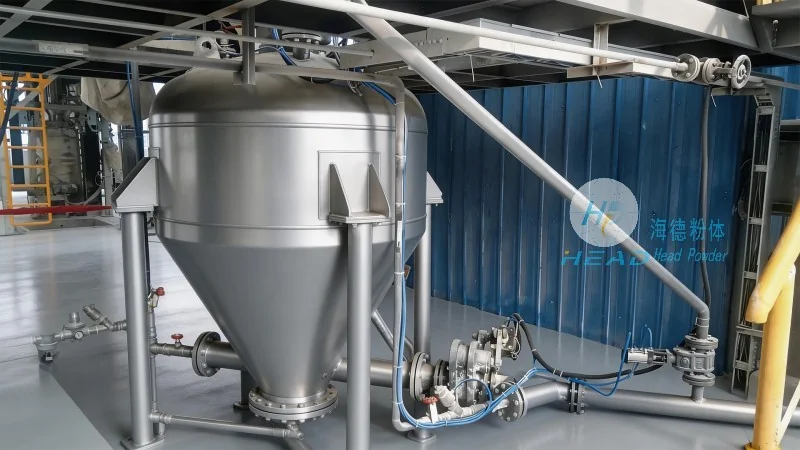
Several key components work in tandem to ensure the efficient operation of a diatomite mineral powder pneumatic conveying system. These include the air compressor or vacuum pump, which provides the necessary pressure or vacuum; the filter and separator, which remove excess moisture and fine particles from the conveying gas; and the control valves, which regulate the flow of air and material. The material feed hopper and discharge hopper are also essential, as they provide storage and control over the powder at the inlet and outlet of the system. Each component must be carefully selected and sized to match the specific characteristics of the diatomite powder and the operational requirements of the application.
Advantages of Pneumatic Conveying for Diatomite Powder
Compared to traditional mechanical conveying methods, pneumatic conveying offers several advantages for handling diatomite powder. These include the ability to transport the material over long distances without the need for intermediate transfer points, reduced risk of contamination due to enclosed systems, and improved safety by eliminating the need for manual handling of the powder. Additionally, pneumatic systems can handle a wide range of particle sizes and flow rates, making them suitable for both small-scale and large-scale operations. The flexibility of these systems also allows for easy integration with other processing equipment, such as mixers, classifiers, and storage silos.
Applications and Industry Impact
The use of diatomite mineral powder pneumatic conveying systems has a significant impact on various industries. In the filtration industry, these systems enable the efficient transport of diatomite powder to filter media, ensuring consistent performance and extended service life of filters. In the construction sector, the ability to deliver diatomite as a filler material to remote job sites enhances productivity and reduces material waste. The cosmetics industry also benefits from the precise control over diatomite powder flow, which is critical for maintaining product quality and consistency.
Conclusion and Future Outlook
As industries continue to demand more efficient and sustainable powder handling solutions, the importance of pneumatic conveying systems for diatomite mineral powder will only grow. Companies like Shandong HeadPowder Engineering Co., Ltd. play a vital role in advancing this technology by providing innovative designs and reliable systems that meet the evolving needs of their clients. By understanding the working principles and benefits of pneumatic conveying, businesses can optimize their operations, reduce costs, and enhance product quality in the handling of diatomite powder.