

What is Talc Powder Pneumatic Conveying? An Introduction to the Working Principle of Powder Handling
When it comes to the efficient and reliable transport of bulk materials like talc powder, pneumatic conveying systems have emerged as a preferred solution in various industrial applications. This article delves into the concept of talc powder pneumatic conveying, exploring the underlying principles and mechanisms that enable the smooth movement of such fine powders. By understanding the working principles of these systems, industries can optimize their material handling processes, enhance operational efficiency, and ensure consistent product quality.
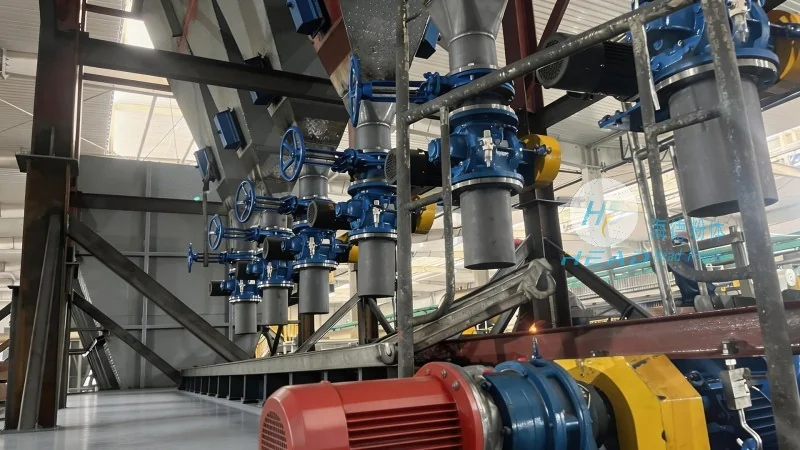
What is Pneumatic Conveying? A Fundamental Overview
Pneumatic conveying, also known as powder handling systems, utilizes air or gas to transport bulk materials through a pipeline network. Unlike traditional mechanical methods, such as belt conveyors or screw conveyors, pneumatic systems offer advantages in terms of flexibility, cleanliness, and the ability to handle fine or abrasive powders without causing contamination or degradation. The core of a pneumatic conveying system lies in the interaction between the material being transported and the air stream, which can be either positive pressure (where air is forced into the system) or negative pressure (where air is drawn out). For talc powder, a commonly used industrial mineral, the choice of conveying method depends on factors like particle size, moisture content, and the required distance and speed of transport.
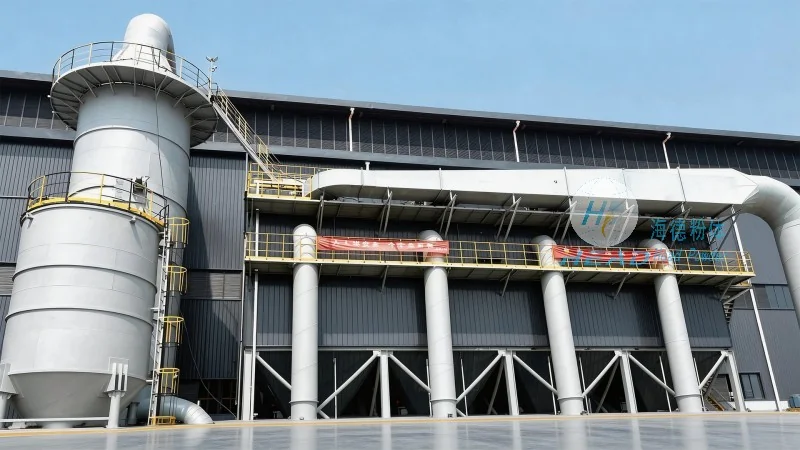
The Working Principle of Talc Powder Pneumatic Conveying
In a typical talc powder pneumatic conveying system, the process begins with the material being fed into a hopper or feeder. From there, the powder is introduced into a pipeline where it is entrained by a high-velocity air stream. The air flow, generated by a blower or compressor, creates a pressure differential that pulls the powder particles along the pipeline. The design of the system, including components like in-line mixers, cyclone separators, and dust collectors, is crucial for maintaining the efficiency and safety of the conveying process. For talc powder, which is known for its softness and fine particle size, the system must be engineered to prevent particle agglomeration and ensure consistent flow rates. The use of positive pressure systems is often preferred for talc powder, as they provide better control over the material and reduce the risk of dust emissions compared to negative pressure systems.
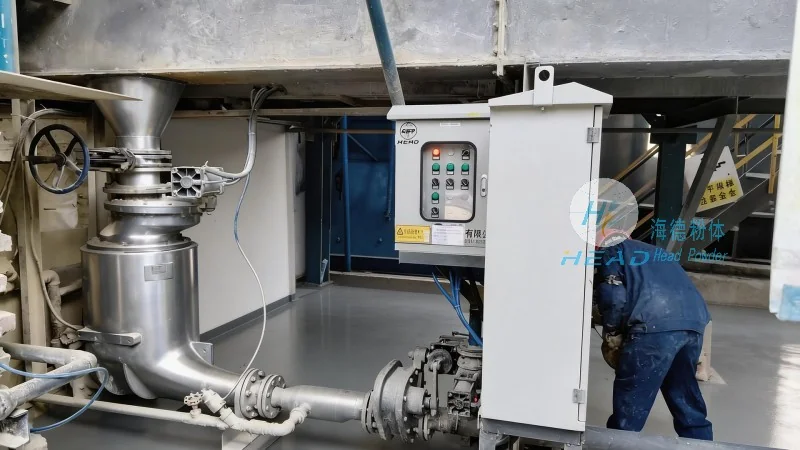
Key Components and Their Roles in Talc Powder Conveying Systems
Several critical components work in tandem to ensure the effective operation of a talc powder pneumatic conveying system. The primary components include the material feeder, which controls the flow rate of the talc powder into the system; the air supply unit, such as a blower or compressor, which generates the necessary air pressure and flow; the conveying pipeline, which transports the powder-air mixture; and the separation and collection equipment, such as cyclone separators and dust collectors, which separate the talc powder from the air stream and collect it for downstream use. In addition to these, in-line mixers and flow conditioners may be used to improve the uniformity of the powder-air mixture and prevent blockages in the pipeline. For talc powder, which can be sensitive to moisture and temperature changes, the system may also incorporate drying or temperature control components to maintain the material's quality during transport.
Benefits and Applications of Talc Powder Pneumatic Conveying
The adoption of pneumatic conveying systems for talc powder offers numerous benefits to industrial operations. These systems provide a clean and dust-free method of material transport, which is particularly important for talc powder, as it is often used in applications where purity is critical, such as in cosmetics, pharmaceuticals, and food processing. Additionally, pneumatic conveying systems can handle large volumes of material over long distances with minimal maintenance requirements, making them cost-effective for high-throughput applications. The flexibility of these systems allows for easy integration into existing production lines and the ability to adjust the conveying rate as per production needs. Industries that utilize talc powder, including the cosmetics, rubber, and plastics sectors, benefit from improved process control, reduced downtime, and enhanced product consistency through the use of pneumatic conveying technology.
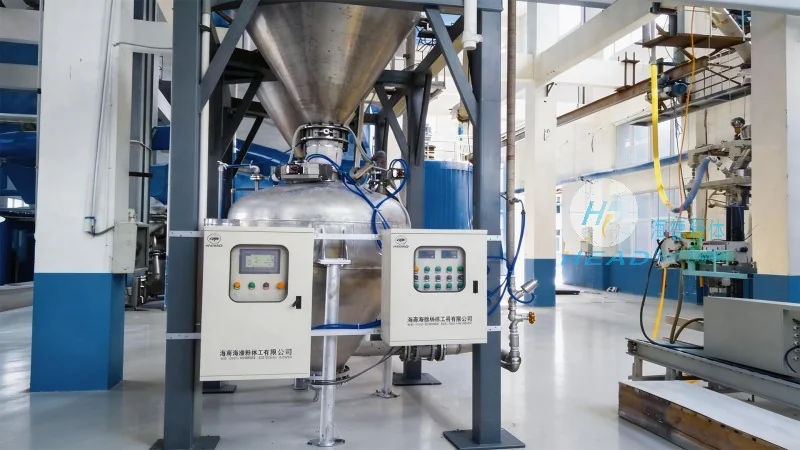
Company Introduction: Shandong HeadPowder Engineering Co., Ltd.
HeadPowder, or Shandong HeadPowder Engineering Co., Ltd., is a leading provider of specialized engineering solutions for powder handling and material transport systems. With a focus on innovation and customer-centric approaches, the company has established itself as a trusted partner in the design, manufacturing, and installation of pneumatic conveying systems for various industrial applications. HeadPowder's expertise lies in tailoring systems to meet the specific requirements of clients, ensuring that the material handling solutions are efficient, reliable, and compliant with industry standards. The company's commitment to quality and customer satisfaction has made it a preferred choice for businesses seeking to optimize their powder processing operations. HeadPowder's facilities are located in Shandong, China, where the company leverages local resources and expertise to deliver high-quality products and services to clients worldwide.