

Choosing Between Positive Pressure and Negative Pressure for Calcium Carbide Slag Pneumatic Conveyin
When it comes to the pneumatic conveying of calcium carbide slag, selecting the appropriate system—whether positive pressure or negative pressure—is a critical decision that impacts operational efficiency, safety, and cost-effectiveness. This article from Shandong HeadPowder Engineering Co., Ltd., a leading provider in China, aims to guide you through the key differences and factors to consider when choosing between these two methods.
Understanding Pneumatic Conveying Systems
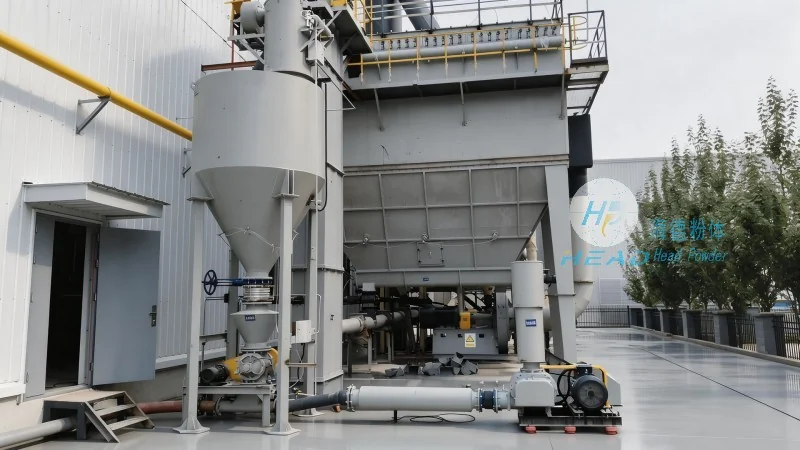
Pneumatic conveying is a method of transporting bulk materials through a pipeline using air or gas as the conveying medium. It is widely used in industries such as chemical processing, mining, and waste management due to its ability to handle abrasive or hazardous materials like calcium carbide slag. The choice between positive pressure and negative pressure systems depends on several factors, including material properties, system layout, and operational requirements.
Positive Pressure Pneumatic Conveying
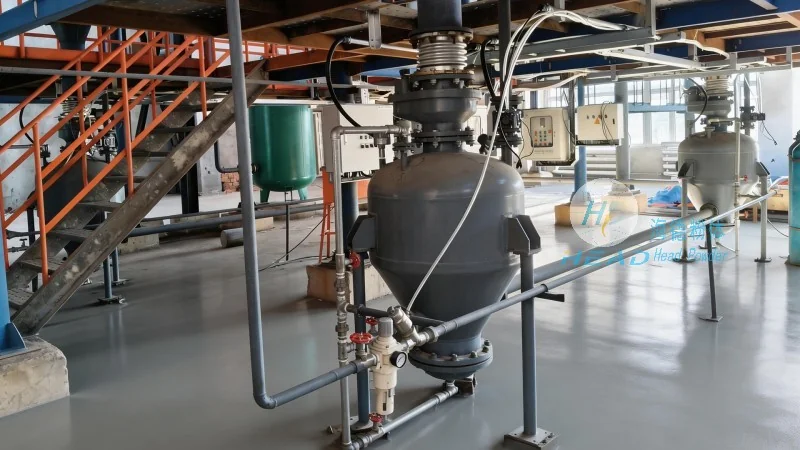
Positive pressure systems operate by blowing air or gas into the conveying line, creating a pressure higher than the ambient air pressure. This method is often preferred for applications where the material is abrasive or has a high density, as it can handle larger particles and more challenging material characteristics. The high-pressure air pushes the material through the pipeline, ensuring consistent flow and reducing the risk of blockages. However, positive pressure systems require robust equipment to withstand the higher pressures and may have higher energy consumption compared to negative pressure systems.
Negative Pressure Pneumatic Conveying
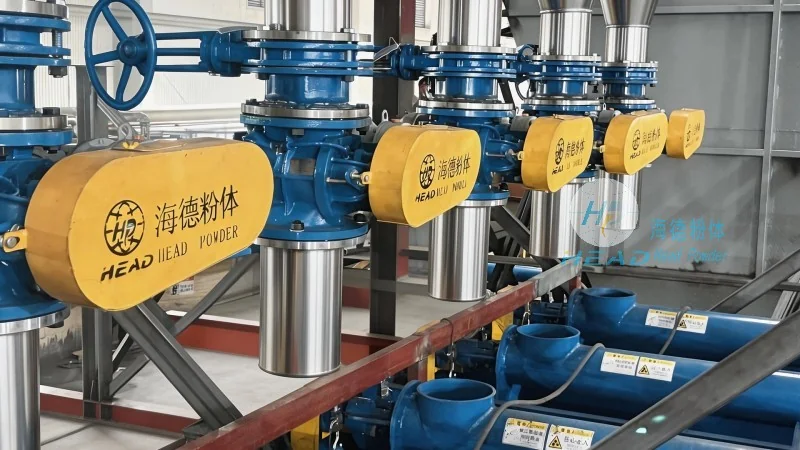
Negative pressure systems, also known as suction systems, work by creating a vacuum in the conveying line, drawing material from the source into the pipeline. This method is typically used for materials that are less abrasive or have lower density, and where the conveying distance is shorter. The vacuum pulls the material through the line, making it suitable for applications where the material is lighter or less likely to cause blockages. Negative pressure systems are generally more energy-efficient for shorter distances but may struggle with longer conveying runs or highly abrasive materials.
Key Factors to Consider When Choosing
Several factors should be evaluated when deciding between positive and negative pressure pneumatic conveying for calcium carbide slag:
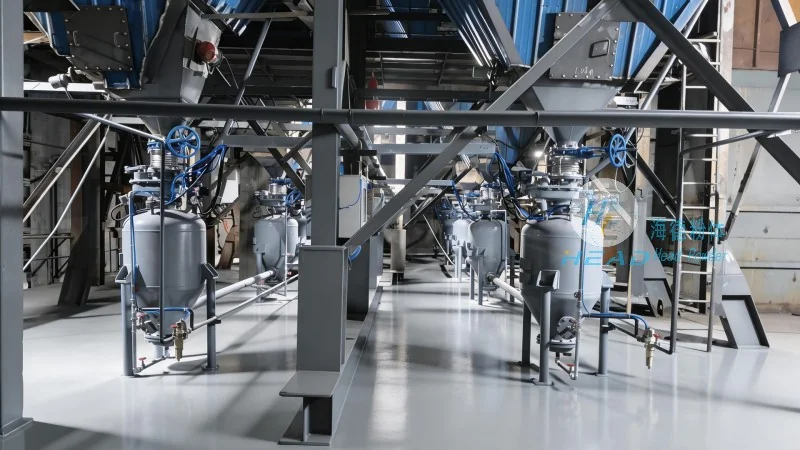
- Material Characteristics: The physical properties of the slag, such as particle size, moisture content, and abrasiveness, play a significant role. For example, if the slag is highly abrasive and contains large particles, a positive pressure system may be more suitable to prevent wear and ensure smooth flow.
- Conveying Distance: The distance between the source and destination affects the system choice. Longer distances often require positive pressure systems due to the need for consistent pressure to maintain flow, while shorter distances may be suitable for negative pressure systems.
- System Layout and Space Constraints: The available space and layout of the facility can influence the design. Positive pressure systems may require more space for the air compressor and storage, while negative pressure systems are more compact and can be integrated into existing structures.
- Energy Consumption and Cost: Energy efficiency is a critical consideration. Negative pressure systems are generally more energy-efficient for shorter runs, but positive pressure systems may offer better long-term cost savings due to lower maintenance and higher reliability for demanding applications.
- Environmental and Safety Requirements: The need to control dust and ensure safety is important. Positive pressure systems can be equipped with dust collection and filtration systems to minimize environmental impact, while negative pressure systems may require additional ventilation to prevent dust accumulation.
Conclusion
Choosing between positive pressure and negative pressure pneumatic conveying for calcium carbide slag requires a thorough evaluation of material properties, system requirements, and operational constraints. Shandong HeadPowder Engineering Co., Ltd. specializes in designing and implementing customized pneumatic conveying solutions tailored to the specific needs of clients. By considering factors such as material characteristics, conveying distance, and energy efficiency, you can select the most appropriate system to ensure efficient and safe handling of calcium carbide slag. Whether you opt for a positive pressure or negative pressure system, the goal is to achieve reliable, cost-effective, and environmentally responsible material transport.