

What is Silicate Glass Pneumatic Conveying? An Introduction to the Working Principle of Powder Handl
Understanding the fundamentals of silicate glass pneumatic conveying is crucial for industries that handle fine powders and granular materials. This article provides an in-depth look at the technology, its applications, and the key components that make up a powder handling system. By exploring the working principles, we can appreciate how this method efficiently transports materials through a pneumatic system, ensuring safety, efficiency, and reliability in various industrial processes.
Introduction to Silicate Glass Pneumatic Conveying
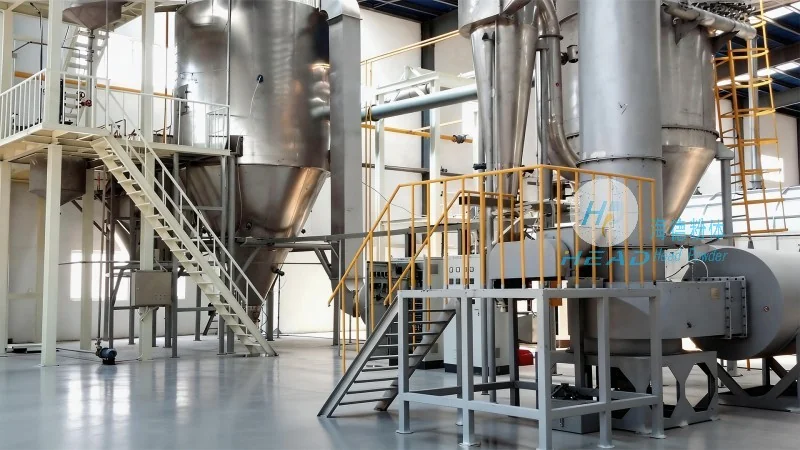
Silicate glass, a common material in many manufacturing processes, often requires specialized handling due to its fine particle size and potential for dust generation. Pneumatic conveying offers a solution by using air or gas to transport these materials from one location to another. Unlike traditional mechanical conveying systems, which may cause material degradation or contamination, pneumatic systems provide a clean, enclosed environment that preserves the integrity of the product. This makes silicate glass pneumatic conveying particularly suitable for applications where product purity and quality are paramount.
HeadPowder: A Leader in Powder Handling Solutions
At Shandong HeadPowder Engineering Co., Ltd., we specialize in designing and manufacturing advanced powder handling systems tailored to the unique needs of industries dealing with silicate glass and other fine powders. Our company, known as HeadPowder, has established itself as a trusted partner in the field, delivering innovative solutions that enhance operational efficiency and product safety. With a strong commitment to quality and customer satisfaction, HeadPowder has become a key player in the global powder handling market.
The Working Principle of Pneumatic Conveying Systems
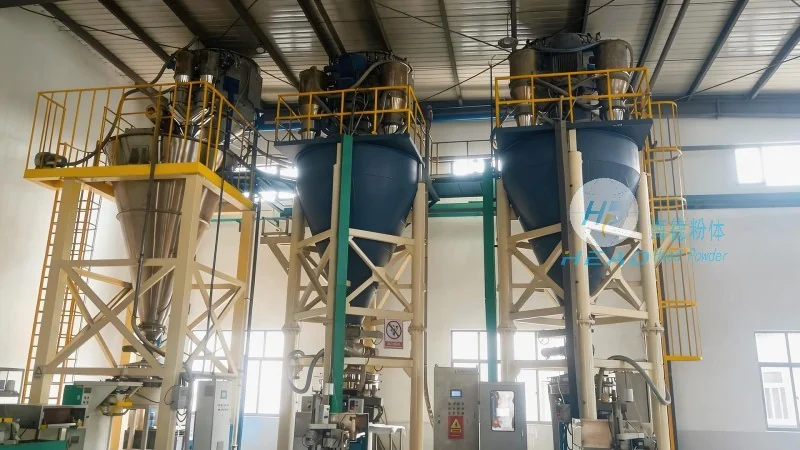
The core of any pneumatic conveying system is the ability to create a pressure differential that propels the material through a pipeline. There are two primary types of pneumatic conveying: pressure and vacuum systems. In pressure systems, a positive pressure is maintained in the pipeline, pushing the material forward. Vacuum systems, on the other hand, use a negative pressure to draw the material into the system. For silicate glass, the choice of system depends on factors such as material properties, distance, and volume requirements.
Key Components of a Silicate Glass Pneumatic Conveying System
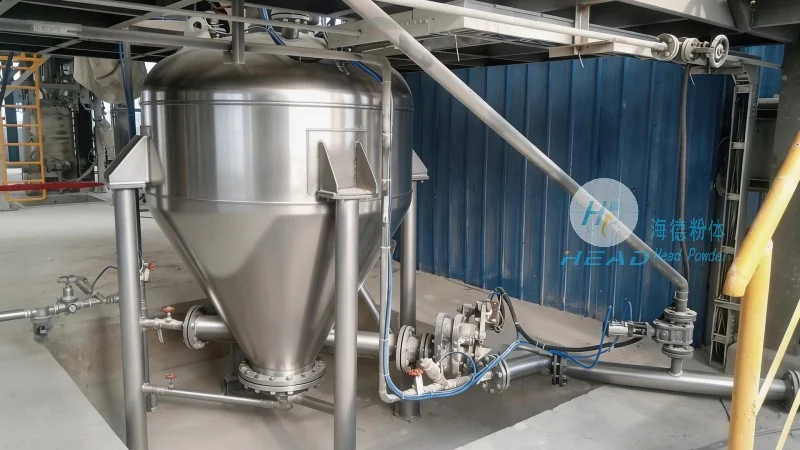
A typical silicate glass pneumatic conveying system consists of several essential components that work in tandem to ensure smooth and efficient material transport. These components include the material feed hopper, which holds the silicate glass and controls the flow rate; the air or gas source, which provides the necessary pressure or vacuum; the conveying line, which transports the material; and the discharge hopper, which collects the material at the destination. Additionally, systems may include filters, cyclones, and dust collectors to ensure the air is clean and the material is free from contamination.
Applications and Benefits of Silicate Glass Pneumatic Conveying
Silicate glass pneumatic conveying is widely used in various industries, including pharmaceuticals, food processing, and chemical manufacturing. The benefits of this technology include reduced labor costs, minimized material loss, and improved safety by containing dust and preventing exposure to airborne particles. Furthermore, the enclosed system helps maintain product quality and consistency, which is critical in industries where product purity directly impacts final product performance. By leveraging the advantages of pneumatic conveying, companies can enhance their production processes and meet the demands of modern manufacturing.
Addressing Challenges in Silicate Glass Handling
Handling silicate glass can present unique challenges, such as material caking, abrasion, and the need for high-purity environments. HeadPowder addresses these challenges through customized solutions that incorporate advanced materials and design features. For example, our systems may use special coatings on the conveying line to prevent material buildup and wear, or employ high-efficiency filters to maintain air quality. By understanding the specific needs of each application, HeadPowder ensures that the pneumatic conveying system is optimized for performance and longevity.
Conclusion and Future Outlook
Silicate glass pneumatic conveying represents a sophisticated and effective method for transporting fine powders. With the expertise of companies like Shandong HeadPowder Engineering Co., Ltd., industries can benefit from reliable, efficient, and safe material handling solutions. As technology continues to advance, we can expect further innovations in pneumatic conveying systems that will enhance their capabilities and expand their applications. For businesses dealing with silicate glass and other fine materials, investing in a well-designed pneumatic conveying system is a strategic move toward improving operational efficiency and product quality.