

What is Resin Pellet Pneumatic Conveying? An Introduction to the Working Principle of Powder Handlin
Resin pellet pneumatic conveying is a specialized method used in the powder handling industry to transport resin pellets and other fine particulate materials through a pipeline using compressed air or other gas. This technology offers a flexible and efficient solution for moving materials from one location to another, particularly in industrial settings where traditional mechanical conveying systems may not be suitable. The process involves creating a flow of air that carries the resin pellets through the pipeline, ensuring minimal product degradation and maintaining product integrity throughout the transfer.
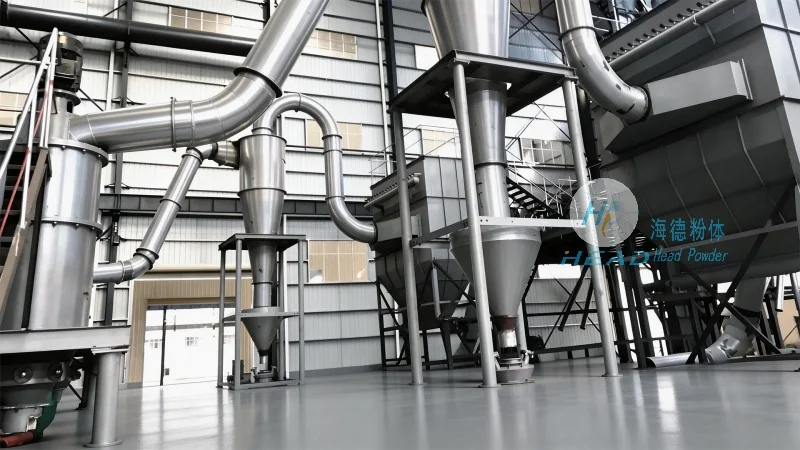
HeadPowder: A Leading Provider of Powder Handling Solutions
Shandong HeadPowder Engineering Co., Ltd., commonly known as HeadPowder, is a prominent company in the field of powder handling systems. With its headquarters located in Shandong, China, HeadPowder specializes in designing, manufacturing, and supplying advanced pneumatic conveying equipment tailored to the needs of various industries. The company's expertise lies in understanding the unique challenges of transporting resin pellets and other powders, enabling them to develop customized solutions that enhance operational efficiency and product quality.
The Working Principle of Pneumatic Conveying Systems
Pneumatic conveying systems operate on the principle of using air to transport solid materials. In the case of resin pellet pneumatic conveying, the system typically consists of several key components, including a hopper for material storage, a feeder to control the flow of resin pellets, a pipeline network, and a venturi or other air delivery mechanism. The process begins when resin pellets are fed into the system from the hopper. The feeder then regulates the amount of material released into the pipeline. Simultaneously, compressed air is introduced into the pipeline, creating a high-velocity air stream that lifts and transports the resin pellets. The air flow ensures that the pellets are carried through the entire pipeline system, reaching the destination point such as a storage silo, processing unit, or packaging area. The system may also include filters and cyclones to separate the air from the material, ensuring that the resin pellets are collected efficiently and the air is safely discharged.
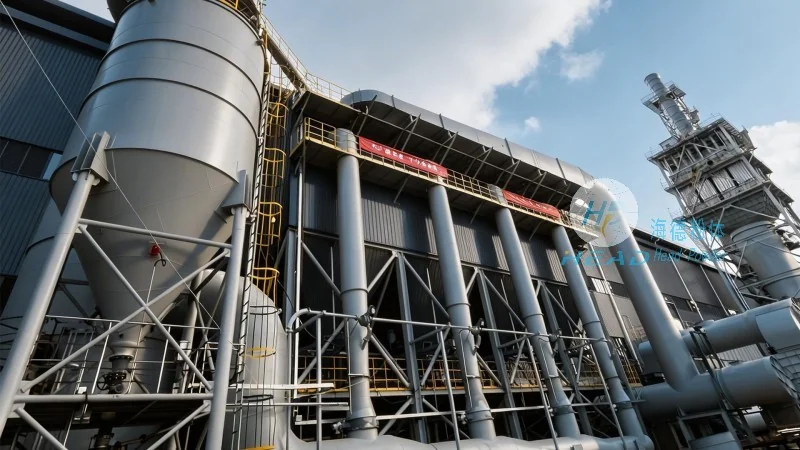
Key Advantages of Resin Pellet Pneumatic Conveying
Resin pellet pneumatic conveying offers several advantages over traditional mechanical conveying methods. One of the primary benefits is the ability to transport materials over long distances without the need for multiple transfer points or intermediate storage. This reduces the risk of product contamination and minimizes the need for manual handling, which can be labor-intensive and hazardous. Additionally, pneumatic conveying systems are more flexible in terms of layout and can be easily integrated into existing industrial facilities. The technology also allows for the transportation of materials in a closed system, which helps maintain product purity and prevents dust emissions. Furthermore, the system can handle a wide range of resin pellet sizes and types, making it suitable for various applications in the plastics and manufacturing industries.
Applications in the Plastics Industry
The resin pellet pneumatic conveying system is widely used in the plastics industry for the transportation of raw materials and finished products. In manufacturing facilities, resin pellets are often transported from storage silos to extrusion or injection molding machines. The pneumatic conveying system ensures that the pellets are delivered to the processing equipment in a controlled manner, maintaining consistent material flow and preventing interruptions in production. This is particularly important in high-speed manufacturing environments where downtime can result in significant financial losses. Additionally, the system can be used to transport finished plastic products, such as pellets or granules, from the processing unit to packaging areas, ensuring a smooth and efficient supply chain.
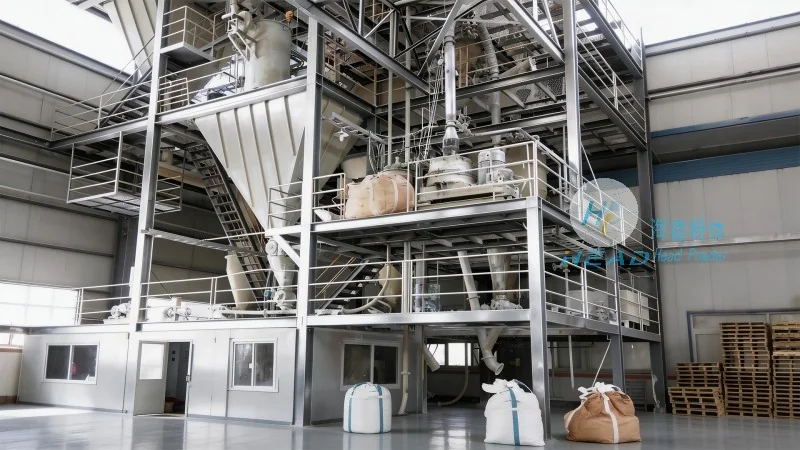
Ensuring Product Integrity and Quality
One of the critical aspects of resin pellet pneumatic conveying is maintaining the quality and integrity of the resin pellets. The system is designed to minimize product degradation, which can occur due to friction, temperature changes, or exposure to air. The use of a closed pipeline system and proper air filtration helps prevent contamination and ensures that the resin pellets remain in their original state. HeadPowder's systems are equipped with advanced features, such as temperature control and moisture management, to further protect the product quality. These features are essential for industries where the resin pellets are used in applications requiring high purity, such as automotive parts, medical devices, or consumer goods.
Customization and Integration with Existing Systems
HeadPowder understands that each industrial facility has unique requirements, and therefore, they offer customized pneumatic conveying solutions. The company works closely with clients to assess their specific needs, including the type of resin pellets, the distance to be covered, and the existing infrastructure. Based on this assessment, HeadPowder designs a system that integrates seamlessly with the client's operations. The customization may involve adjusting the pipeline diameter, the air pressure, or the number of transfer points to optimize the conveying process. Additionally, the company provides installation and commissioning services to ensure that the system is properly set up and operates efficiently. This approach ensures that the client receives a solution that is tailored to their specific requirements, maximizing the benefits of resin pellet pneumatic conveying.