

What is Lithium Battery Material Pneumatic Conveying? Introduction to the Working Principle of Powde
Understanding the working principle of pneumatic conveying systems is crucial for industries dealing with lithium battery materials, as these systems offer efficient and reliable methods for transporting fine powders. This article provides an in-depth look at the technology behind pneumatic conveying, focusing on its application in the lithium battery manufacturing sector.
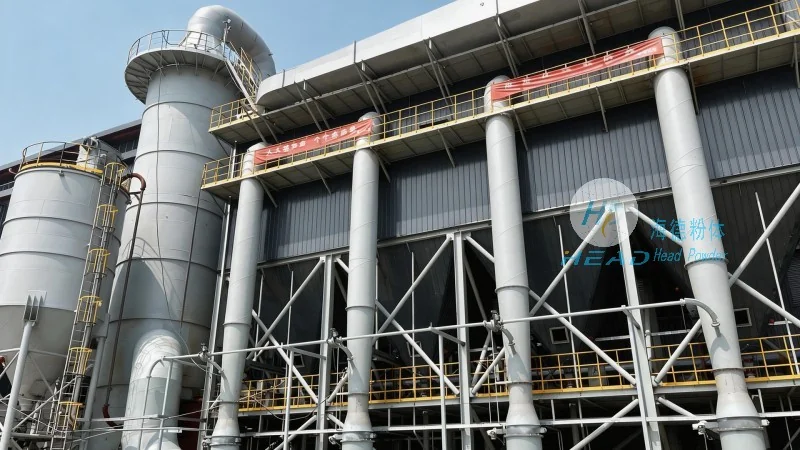
Pneumatic Conveying Systems: An Overview
Pneumatic conveying, also known as powder handling systems, is a method of transporting bulk materials through a pipeline using air or other gases. Unlike traditional mechanical systems like screw conveyors or belt conveyors, pneumatic systems use pressurized air to move materials, making them ideal for handling delicate or hazardous powders, such as those used in lithium battery production. The technology has evolved significantly over the years, with advancements in design and control systems enhancing its efficiency and safety.
How Pneumatic Conveying Works: The Core Mechanism
The fundamental principle of pneumatic conveying involves creating a pressure differential between the inlet and outlet of the system. Air is introduced into the pipeline at a high velocity, which generates a suction force that draws the powder particles into the stream. The powder is then carried through the pipeline by the moving air, and the system can be either positive pressure (where air is blown into the line) or negative pressure (where air is drawn out). The choice between these two depends on the material properties, distance of transport, and system layout.
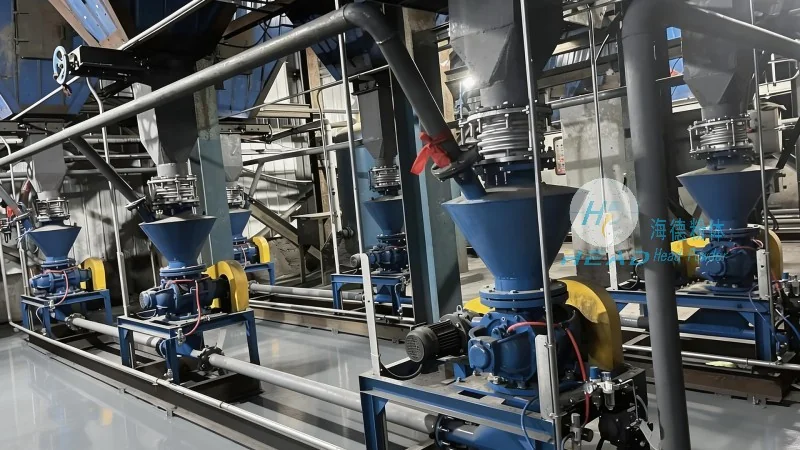
Key Components of a Pneumatic Conveying System
Typical pneumatic conveying systems consist of several key components that work together to ensure smooth operation. These include the material feed hopper, which holds the powder and provides a controlled feed rate; the air supply unit, which generates the necessary pressure or vacuum; the conveying line, which transports the material; and the discharge device, which delivers the powder to the destination. Additionally, control systems are integrated to regulate the flow rate, pressure, and other parameters, ensuring optimal performance and preventing issues like blockages or material degradation.
Application in Lithium Battery Material Handling
In the context of lithium battery manufacturing, pneumatic conveying systems are widely used for handling various materials, including cathode active materials, anode materials, and binders. These materials are often fine powders with specific particle size distributions, and pneumatic systems can handle them without causing agglomeration or degradation. The systems are designed to maintain the material's quality, ensuring that the final battery components meet the required specifications. For example, in the production of lithium iron phosphate (LFP) batteries, pneumatic conveying is used to transport the LFP powder from storage to the mixing and coating stages.
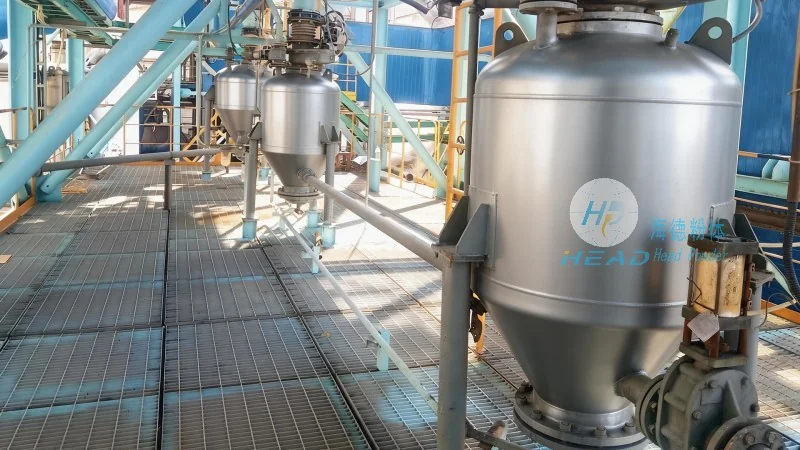
Advantages of Pneumatic Conveying for Lithium Battery Materials
There are several advantages of using pneumatic conveying systems for lithium battery materials. First, they offer a dust-free operation, which is critical for maintaining a clean environment in battery manufacturing facilities. Second, the systems can handle high volumes of material with minimal maintenance, reducing downtime and operational costs. Third, pneumatic conveying is flexible, allowing for changes in the system layout or material flow without major modifications. Finally, the technology is scalable, making it suitable for both small-scale pilot plants and large-scale production lines.
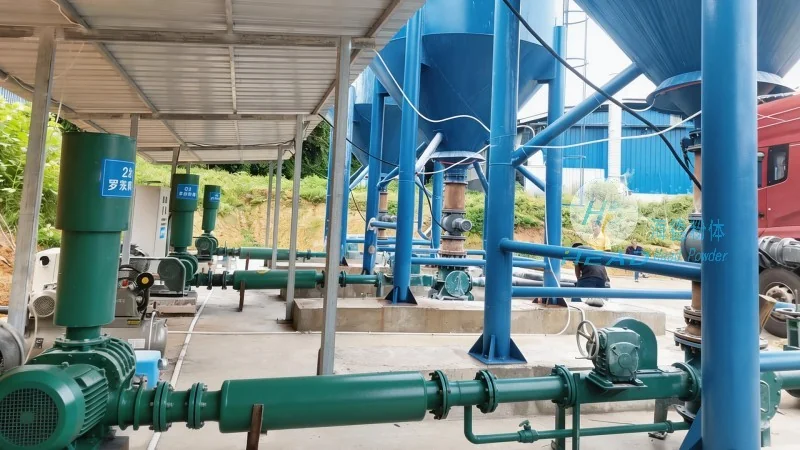
Company Profile: Shandong HeadPowder Engineering Co., Ltd.
Shandong HeadPowder Engineering Co., Ltd., commonly known as HeadPowder, is a leading provider of advanced powder handling solutions, including pneumatic conveying systems tailored for the lithium battery industry. With a focus on innovation and customer satisfaction, HeadPowder has developed state-of-the-art systems that meet the stringent requirements of modern battery manufacturing. The company's expertise lies in designing customized solutions that address the unique challenges of handling lithium battery materials, ensuring efficient and reliable material transport throughout the production process.
Conclusion: The Role of Pneumatic Conveying in Lithium Battery Manufacturing
Pneumatic conveying systems play a vital role in the efficient and safe handling of lithium battery materials. By understanding the working principles and advantages of these systems, manufacturers can optimize their production processes, reduce costs, and improve product quality. As the demand for lithium batteries continues to grow, the importance of reliable powder handling technology will only increase, making pneumatic conveying an essential component of modern battery manufacturing facilities.