

What is Cement Clinker Pneumatic Conveying? An Introduction to the Working Principle of Powder Handl
For industrial applications, efficient and reliable material handling is crucial, especially when dealing with bulk powders like cement clinker. Pneumatic conveying systems have emerged as a vital solution for transporting such materials over long distances with minimal maintenance and operational costs. This article delves into the concept of cement clinker pneumatic conveying, exploring its working principles and the underlying technology that enables seamless powder transport, with a focus on solutions provided by Shandong HeadPowder Engineering Co., Ltd.
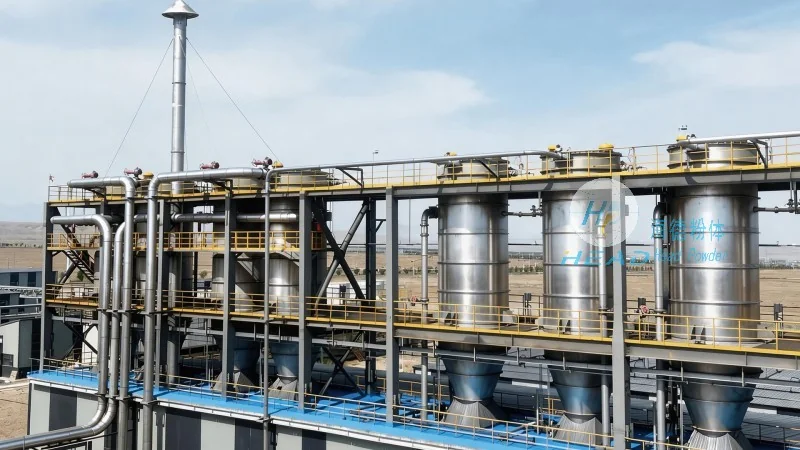
What is Cement Clinker Pneumatic Conveying?
Cement clinker pneumatic conveying refers to the process of transporting cement clinker—a key raw material in cement production—using a pressurized air or gas stream. Unlike traditional mechanical conveying methods, such as belt conveyors or screw conveyors, pneumatic systems utilize air pressure to move the material through pipelines. This method is particularly advantageous for handling fine, dusty, or abrasive powders, as it minimizes product degradation and reduces the risk of contamination.
The Working Principle of Pneumatic Conveying Systems
Pneumatic conveying systems operate on the principle of fluidization and transport of particles within a gas stream. The system typically consists of a blower or compressor that generates the necessary air pressure, a hopper or feeder to introduce the material, and a pipeline network that directs the material to its destination. There are two primary types of pneumatic conveying: dilute-phase and dense-phase. Dilute-phase systems use high-velocity air to suspend the particles, allowing them to travel through the pipeline efficiently. Dense-phase systems, on the other hand, use lower air velocities and higher material concentrations, which is suitable for longer distances or when handling more sensitive materials.
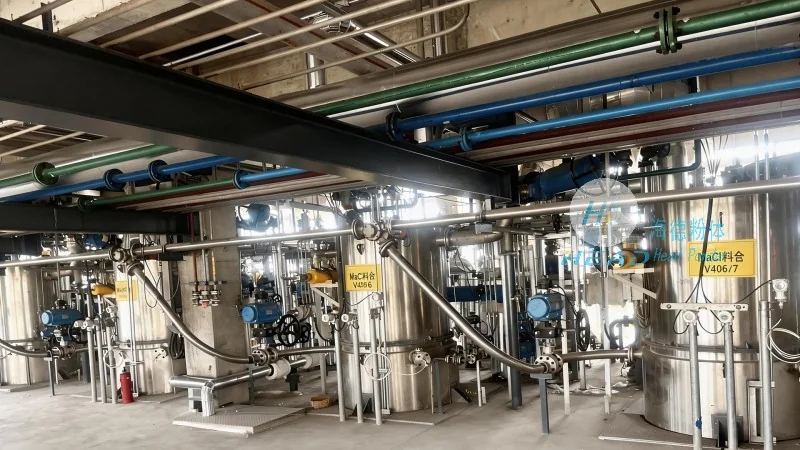
Key Components of a Pneumatic Conveying System
Several critical components work in tandem to ensure the smooth operation of a pneumatic conveying system. The blower or compressor is the heart of the system, providing the necessary pressure to move the material. The feeder or hopper is responsible for feeding the material into the pipeline at a controlled rate, preventing blockages and ensuring consistent flow. The pipeline network, often made of stainless steel or other corrosion-resistant materials, is designed to withstand the pressure and abrasive nature of the material being conveyed. Additionally, filters and cyclones are used to separate the material from the air stream, allowing the air to be recycled or released safely. Finally, the receiver or discharge hopper collects the material at the end of the pipeline, completing the transport process.
Advantages of Cement Clinker Pneumatic Conveying
Implementing a pneumatic conveying system for cement clinker offers several advantages over traditional methods. First, it reduces labor costs and operational complexity, as there are fewer moving parts and less maintenance required. Second, it minimizes product degradation, as the material is not subjected to mechanical stress or friction during transport. Third, it improves safety by eliminating the need for manual handling of bulk powders, reducing the risk of dust explosions or respiratory hazards. Fourth, it enhances flexibility, as the system can be easily reconfigured to accommodate changes in production volume or layout. Finally, it offers energy efficiency, as the system can be optimized to use the least amount of air pressure and energy required for the task.
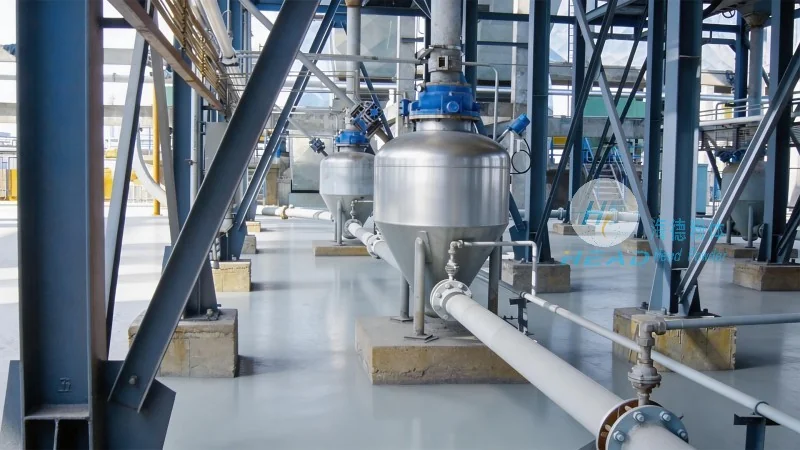
Applications and Industries
Cement clinker pneumatic conveying is widely used in various industries, particularly in the cement manufacturing sector. It is also applicable in other industries that handle bulk powders, such as mining, chemical processing, and food processing. The system is particularly useful for transporting materials over long distances, such as from a clinker storage facility to a cement plant, or from a production site to a distribution center. Additionally, it is suitable for handling materials in hazardous environments, where traditional mechanical conveyors may pose a risk of fire or explosion.
Conclusion
Cement clinker pneumatic conveying is a highly effective and efficient method for transporting bulk powders. By leveraging the principles of fluidization and air pressure, these systems provide a reliable and cost-effective solution for industrial material handling. As technology continues to advance, pneumatic conveying systems are becoming more sophisticated, with features such as automated control systems and real-time monitoring, further enhancing their performance and reliability. Companies like Shandong HeadPowder Engineering Co., Ltd. specialize in designing and implementing such systems, ensuring optimal performance and safety for their clients.