

What is Beer Brewery Pellets Pneumatic Conveying? An Introduction to the Working Principle of Powder
Beer brewery waste, such as spent grain or pellets, presents unique challenges for efficient handling and transport within industrial facilities. Traditional methods like manual handling or mechanical conveyors often prove inadequate when dealing with bulk powders that require precise control and minimal contamination. This is where pneumatic conveying systems emerge as a reliable solution, particularly for applications involving beer brewery pellets. Understanding the working principle of these systems is essential for optimizing production processes and ensuring compliance with hygiene standards in the brewing industry.
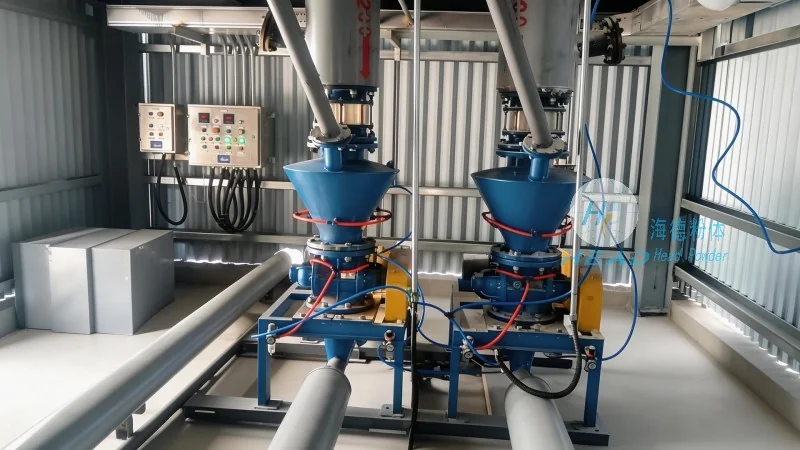
Overview of Pneumatic Conveying Systems for Beer Brewery Pellets
Pneumatic conveying, or air-assisted transport, is a method of moving bulk materials through a pipeline using compressed air or other gas. In the context of beer brewery operations, this technology is employed to transport spent grain, malt, or other pelletized byproducts from storage silos to processing units, or from production lines to waste disposal areas. The primary advantage of pneumatic conveying is its ability to handle fine powders and granular materials with minimal product degradation, while also reducing the risk of cross-contamination and improving overall operational efficiency.
Key Components and Working Principle of Pneumatic Conveying Systems
The core components of a pneumatic conveying system for beer brewery pellets typically include a material feeder, a pipeline network, a conveying air source (usually a blower or compressor), and a collection or separation unit. The process initiates with the material feeder, which can be a rotary valve, a star feeder, or a vacuum pump, depending on the system design. The feeder introduces the pellets into the pipeline, where they are entrained by the high-velocity air stream generated by the blower. The air and material mixture travels through the pipeline to the destination point, where a separator or cyclone separates the material from the air. The air is then filtered and discharged, while the pellets are collected in a hopper or storage container.
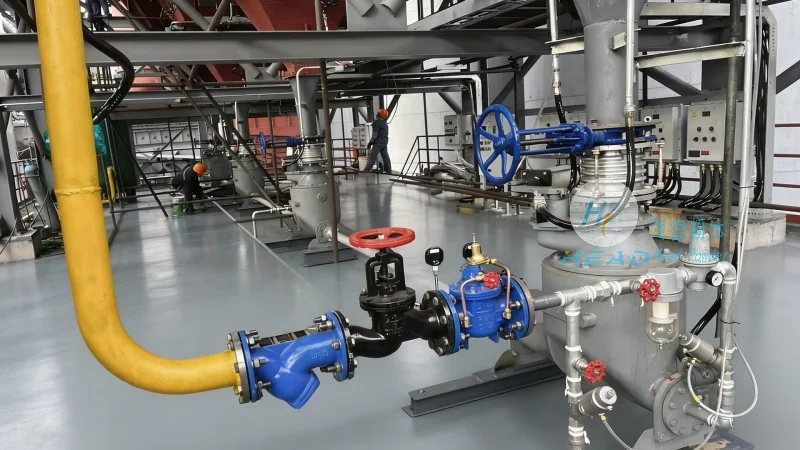
Advantages of Pneumatic Conveying for Beer Brewery Pellets
Implementing a pneumatic conveying system for beer brewery pellets offers several key benefits. Firstly, it provides a hygienic and dust-free environment, which is essential in food and beverage processing facilities. Unlike mechanical conveyors, pneumatic systems minimize direct contact between the product and equipment, reducing the risk of contamination from bacteria or other pathogens. Secondly, the system allows for precise control over material flow rates, ensuring consistent delivery to downstream processes such as drying, milling, or packaging. Thirdly, pneumatic conveying can handle materials with varying moisture content and particle sizes, making it versatile for different stages of the brewing process. Additionally, the system can be designed to operate under negative pressure (vacuum) or positive pressure (pressure), depending on the specific application requirements, providing flexibility in material transport.
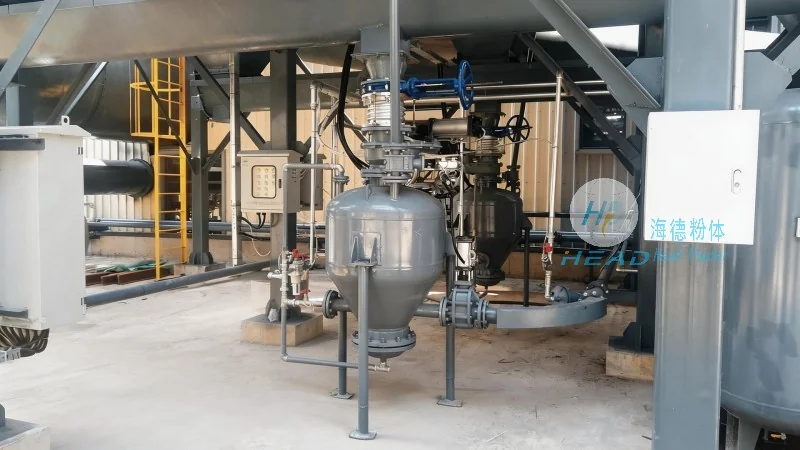
Customization and Application in Beer Brewery Operations
Shandong HeadPowder Engineering Co., Ltd., a leading provider of powder handling solutions, specializes in designing and manufacturing customized pneumatic conveying systems tailored to the unique needs of beer breweries. The company’s expertise lies in understanding the specific characteristics of beer brewery pellets, such as their density, flowability, and moisture content, and integrating this knowledge into system design. For instance, in a typical brewery, spent grain pellets may need to be transported from the mash tun to a drying facility, where a pneumatic conveying system can efficiently handle the material over long distances without the need for multiple transfer points. HeadPowder engineers work closely with clients to assess their production volumes, facility layout, and operational constraints, ensuring that the final system meets both performance and regulatory standards.
Ensuring Efficiency and Reliability in Pneumatic Conveying
Efficiency and reliability are paramount in industrial applications, and pneumatic conveying systems for beer brewery pellets are designed with these considerations in mind. The use of high-quality materials for pipelines and components, such as stainless steel or food-grade plastics, ensures durability and resistance to corrosion, which is critical when handling materials that may contain residual sugars or acids. Regular maintenance, including filter cleaning and blower performance checks, is essential to maintain system efficiency and prevent downtime. Additionally, the system’s control panels allow for real-time monitoring of flow rates, pressure, and air quality, enabling operators to quickly identify and address any issues that may arise during operation. By investing in a well-designed pneumatic conveying system, beer breweries can improve their overall productivity, reduce labor costs, and enhance product quality.